China Best Solar Panels What Are the Benefits?

Time:2026-10-17 Author:Oliver
0%

When homeowners search for China best solar panels, they often want lower costs, dependable output, and long service life. The phrase “best” deserves careful attention. Performance depends on more than the factory name. Cell technology, temperature performance, warranty terms, and quality control all matter. Buyers should check recognized certifications, published test results, and the manufacturer’s history. They should also confirm whether local installers can provide support and replacement parts.

So, what are the benefits of solar panels? They can reduce grid electricity use, produce power from sunlight, and support better energy planning. A rooftop system may lower monthly bills, especially in regions with strong sunshine and high electricity prices. Modern panels can also work effectively in limited spaces, although shade, dust, and poor roof angles reduce production. Even the best equipment cannot overcome careless installation. That part is often underestimated.

Chinese manufacturers offer a wide range of panels, from affordable models to advanced products using high-efficiency cells. Many invest heavily in research, automated production, and international testing. Yet price alone should not decide the purchase. A realistic comparison includes efficiency, degradation rate, product warranty, performance warranty, shipping conditions, and installer expertise. Ask for evidence, not impressive promises.

Solar power is not completely effortless. Roof repairs, cleaning, inverter replacement, and seasonal output changes may affect results. A professional site assessment can reveal these limitations before installation. The strongest decision balances verified performance, total cost, local climate, and long-term service. That balance matters more than a bold “best” label.
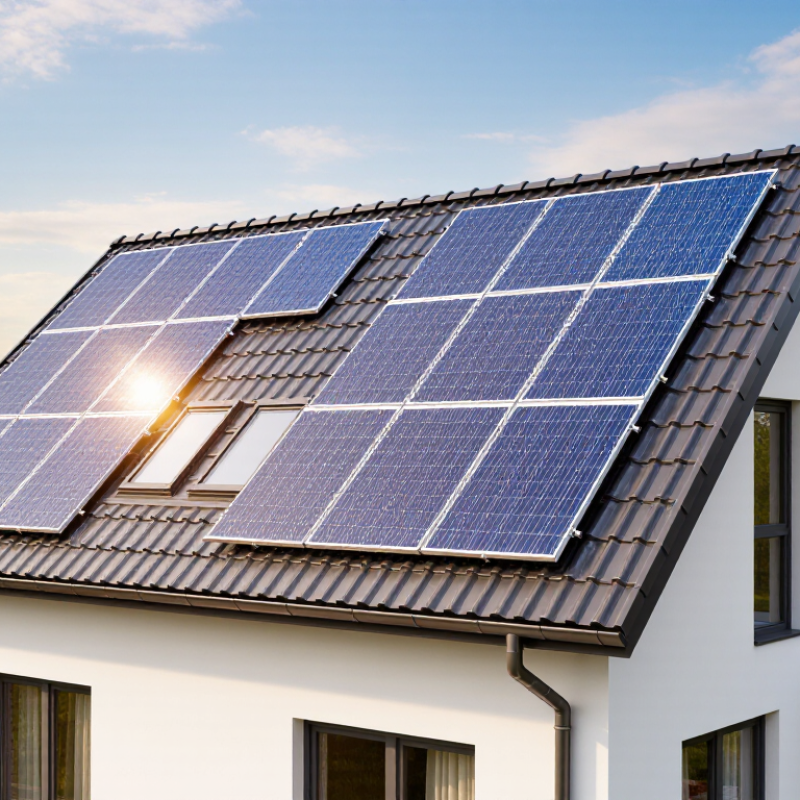
China Best Solar Panels What Are the Benefits?

What Defines the Best Solar Panels Made in China?

What defines the best solar panels made in China is not the lowest quotation. It is measurable performance, stable manufacturing, and dependable evidence. The IEA PVPS Trends 2024 report recorded about 217 GW of new solar capacity in China during 2023. That scale supports advanced production, but volume alone cannot prove quality. Buyers should examine certified efficiency, temperature coefficient, mechanical-load results, and independent test records. A panel performing well under a laboratory lamp may behave differently on a hot rooftop.

Durability matters just as much. NREL research commonly uses a median degradation rate near 0.5% per year for crystalline-silicon modules, although real projects vary. A strong Chinese-made module should publish its degradation warranty, factory quality controls, and traceable serial data. The ITRPV 2024 report also shows continuing movement toward larger wafers, higher power, and n-type technologies. Higher power is useful, but installation design must still respect roof loading, shading, and inverter limits. Bigger is not automatically better.

Tips: Compare independent test reports, not only product brochures. Request temperature-coefficient data and third-party reliability results. Check the manufacturer’s production history and after-sales response time. I would also inspect packaging and connectors before installation; small defects can become expensive failures. No panel is perfect. A carefully matched, slightly less powerful module may outperform a premium specification on a shaded or very hot roof. Industry data guides the decision, but site measurements should have the final voice.

How Do Chinese Solar Panels Improve Energy Generation?

Chinese solar panels improve energy generation through higher conversion efficiency, bifacial designs, and better temperature performance. The Fraunhofer ISE Photovoltaics Report 2024 places leading commercial crystalline-silicon modules above 23% efficiency. This allows more electricity from the same roof area. Bifacial panels also collect reflected light from pale roofs, concrete, or gravel. NREL field research indicates that bifacial systems can deliver roughly 5% to 15% additional energy, depending on site conditions.

Manufacturing scale supports tighter quality control and faster technical upgrades. The IEA PVPS Trends 2024 report recorded 216.9 gigawatts of new solar capacity installed in China during 2023. That huge deployment creates extensive operating experience across deserts, rooftops, and agricultural sites. In practice, installers can improve output by matching panel angles, reducing shading, and using monitoring systems to identify weak strings. Small details matter.

Performance is not guaranteed. Dust can cover the glass, while poor spacing can reduce rear-side light. High efficiency alone cannot fix an unsuitable site. The IEA PVPS Task 13 reports that real-world energy yield depends heavily on temperature, soiling, degradation, and system design. I would avoid promising identical results for every project. A well-designed array using reliable panels may generate more energy, but local testing remains necessary.

What Cost Benefits Do China-Made Solar Panels Provide?

China-Made Solar Panels: What Cost Benefits Do They Provide?

China-made solar panels can reduce project costs through large-scale manufacturing and a dense supply chain. The International Energy Agency reported in 2024 that China held over 80% of global capacity across major solar manufacturing stages. This concentration supports lower production costs, faster component sourcing, and more consistent availability. IRENA reported that utility-scale solar power costs fell to about $0.044 per kilowatt-hour in 2023, nearly 90% below 2010 levels. China’s manufacturing scale helped drive this wider market decline.

Lower purchase prices are only part of the calculation. Market analysis from Wood Mackenzie and OPIS showed continued module price declines during 2024, although prices varied by technology and region. A lower-cost panel can improve project payback, especially for large rooftops or solar farms using hundreds of units. However, shipping, local taxes, duties, installation labor, and warranty support can reduce the apparent saving. The math is not perfect. Prices still move.

Tips: Compare total delivered cost, not the factory quotation. Check efficiency, degradation rates, certifications, and warranty terms. Request recent test reports from independent laboratories. A cheaper panel with weaker performance may produce less electricity over twenty-five years. Also, allow a contingency budget for freight and replacement logistics. Pricing data is useful, but site conditions often decide the final return.

China Best Solar Panels What Are the Benefits? – What Cost Benefits Do China-Made Solar Panels Provide?
A practical comparison of manufacturing scale, purchase cost, operating value, and project economics
Data Dimension China-Made Solar Panels Cost or Business Benefit Practical Consideration Reference
Manufacturing scale China accounts for more than 80% of global solar photovoltaic manufacturing capacity across the main supply-chain stages. Large production volumes can reduce equipment, labor, procurement, and logistics costs per watt. Scale does not eliminate the need to verify factory quality systems, product certificates, and shipment terms. International Energy Agency, 2024
Indicative module purchase price Mainstream crystalline-silicon modules exported from China were commonly quoted at approximately US$0.10–0.18 per watt during 2023–2024, depending on technology, order size, and delivery terms. A 500 kW module purchase at US$0.10–0.18/W represents an indicative module cost of about US$50,000–90,000 before freight, taxes, installation, and financing. Prices vary quickly. Confirm the quotation date, Incoterm, warranty terms, duties, and applicable local taxes. Indicative 2023–2024 market ranges; project quotation required
Technology availability The market offers a broad selection of monocrystalline, bifacial, half-cell, and high-power module formats. More product choices can help optimize roof area, land use, cable length, and balance-of-system costs. Higher rated power alone does not guarantee lower total project cost; dimensions and electrical characteristics must match the system design. International Energy Agency Photovoltaic Power Systems Programme
Learning-curve benefit Global crystalline-silicon PV module prices have fallen by more than 90% since 2010 as manufacturing scale and process efficiency improved. Lower module prices reduce the upfront capital requirement and can improve project payback when electricity output remains strong. Historical price reductions should not be treated as a guaranteed future price trend. International Renewable Energy Agency, Renewable Power Generation Costs, 2023
Typical product warranty structure Many current modules are offered with approximately 12–15 years of product warranty and 25–30 years of linear power-performance warranty, although terms differ by model. Long warranty periods can reduce perceived replacement risk over the operating life of the system. Check the warranty provider, exclusions, degradation schedule, claim process, and jurisdiction before purchase. Typical industry specifications; verify the selected product datasheet
Energy yield potential Bifacial and high-efficiency module designs can increase energy production where site conditions, mounting height, surface reflectivity, and system design are suitable. Additional annual generation can reduce the levelized cost of electricity and shorten the investment recovery period. The actual gain depends on irradiance, temperature, shading, albedo, row spacing, cleaning, and inverter design. International Energy Agency Photovoltaic Power Systems Programme
Transportation and import cost The factory price may be low, but ocean freight, insurance, customs duties, value-added tax, inland transport, and port handling must be added. Accurate landed-cost analysis prevents a low factory quotation from being mistaken for the final project cost. Compare suppliers using the same delivery basis, currency, shipment quantity, and destination. Project-specific landed-cost calculation required
Overall cost advantage The main advantages generally come from manufacturing scale, mature supply chains, competitive module pricing, and wide product availability. Potentially lower upfront module cost and improved value per installed watt. Final savings depend on quality, certification, freight, tariffs, financing, installation, maintenance, and long-term energy yield. IEA; IRENA; product and project documentation
Data note: Price figures are indicative market ranges rather than fixed quotations. Actual costs depend on module efficiency, order volume, delivery location, Incoterms, tariffs, currency exchange, certification requirements, and installation conditions. All monetary values are shown in U.S. dollars and exclude balance-of-system, installation, financing, taxes, and permitting costs unless stated otherwise.

How Do Technology and Product Variety Increase Their Value?

China’s solar panel industry gains value through rapid engineering improvements and broad product selection. Modern panels may use n-type cells, multi-busbar layouts, and advanced passivation layers. These features can improve energy output, especially during weak morning light or cloudy weather. In field projects, installers also examine temperature coefficients, shading behavior, and degradation rates. Peak efficiency alone does not tell the whole story.

Product variety makes system planning more practical. Homeowners may choose compact panels for narrow roofs, while large sites need higher-wattage modules and stronger mounting structures. Lightweight designs can help older buildings, but they may involve different durability considerations. Bifacial panels can collect reflected light from bright surfaces, although their benefit depends heavily on ground conditions and installation height. Flexible products suit unusual surfaces, yet they may not match the lifespan of rigid glass modules.

Reliable purchasing requires more than comparing online prices. Technical datasheets should state power tolerance, operating temperature, fire performance, and warranty terms clearly. Independent testing and recognized certification provide useful evidence, but documents still need careful checking. I have seen projects lose value through poor cable design and incorrect orientation. The panel was not the main problem. Local climate, roof structure, maintenance access, and grid requirements should influence the final choice. A cheaper module can become expensive when installation conditions are ignored.

What Should Buyers Check Before Choosing Chinese Solar Panels?

Choosing Chinese solar panels can offer competitive pricing, efficient production, and many technical options. However, buyers should inspect more than the advertised wattage. Check the panel’s efficiency, temperature coefficient, expected degradation rate, and tested power tolerance. A panel rated at 550 watts may perform differently in intense heat or partial shade.

Ask for complete test reports, not only a sales brochure. Reliable documents should show recognized safety and performance testing. Confirm the factory’s quality controls, production history, and traceability procedures. Inspect the product warranty carefully. Note who handles claims, how long support lasts, and whether shipping costs create hidden difficulties. Local installation rules also matter. A suitable panel must match the inverter, mounting system, roof design, and grid requirements.

Tips: Request a sample before ordering in bulk. Check its frame corners, glass surface, junction box, and cable connectors. Measure the label against the delivered specifications. Compare independent inspection results when possible. I once focused too much on price. That was a mistake. A lower purchase cost can become expensive if replacement parts arrive slowly. Also, do not assume every factory offers the same consistency. Ask how production batches are tested, and keep written records of promises, certificates, and delivery terms. Small details often reveal bigger risks.

FAQS

How can Chinese solar panels improve electricity generation?

High-efficiency panels produce more electricity from the same roof area. Some commercial modules exceed 23% efficiency. Site design still matters greatly.

What are bifacial solar panels?

Bifacial panels collect light from both sides. Pale roofs, concrete, and gravel can reflect useful sunlight. Rear-side output falls when spacing is poor.

How much extra energy can bifacial panels generate?

Field results often show about 5% to 15% additional energy. Actual gains depend on ground brightness, panel height, shading, and weather.

Why can China-made panels have lower costs?

Large-scale manufacturing supports lower production costs and faster component sourcing. A dense supply chain may also improve availability. Prices still move.

Is the cheapest panel always the best choice?

No. Shipping, taxes, installation, and replacement logistics can erase the initial saving. A weaker panel may produce less electricity for twenty-five years.

Which technical details should buyers compare?

Check efficiency, temperature coefficient, degradation rate, power tolerance, and safety testing. A 550-watt panel may perform differently in intense heat.

What documents should buyers request?

Request complete test reports, warranty terms, production records, and traceability information. Ask who handles claims and pays transportation costs. Written records help.

Should buyers test a sample before ordering many panels?

Yes, when possible. Inspect the glass, frame corners, junction box, and cable connectors. Compare the label with the delivered specifications.

How do temperature and dust affect solar output?

High temperatures can reduce real-world energy yield. Dust blocks sunlight and lowers performance. I would not promise identical results for every site.

What installation details can improve performance?

Match panel angles, reduce shading, and monitor weak strings. Keep enough spacing for rear-side light. Small details matter.

Conclusion

China-made solar panels are increasingly valued for their balance of efficiency, reliability, and affordability. The best products are defined by strong power output, durable materials, consistent manufacturing standards, and performance in different weather conditions. They can improve energy generation through advanced cell designs, better light absorption, improved temperature performance, and panels available in various sizes and power ratings. These features help households, businesses, and large projects produce more electricity from limited installation space.

One of the main answers to “what are the benefits of solar panels” is the potential to reduce electricity costs over time. Chinese solar panels can provide competitive pricing because of efficient production and large-scale manufacturing, while their wide product variety allows buyers to select solutions suited to their budgets and energy needs. Before purchasing, buyers should check efficiency ratings, warranty terms, certifications, degradation rates, temperature performance, installation requirements, and supplier support. Careful comparison helps ensure the chosen panels deliver dependable long-term value.

Oliver

Oliver

Oliver is a seasoned marketing professional with a wealth of expertise in driving brand awareness and engagement. With a deep understanding of our company's product offerings, he consistently delivers high-quality content that enriches our professional blog. His insights not only shed light on......