When contemplating solar panel purchases, one crucial aspect stands out: what certifications should solar panels have? Buyers may feel overwhelmed by the numerous options available. Understanding certifications can empower customers to make informed decisions.
Certifications ensure that solar panels meet specific quality and safety standards. Organizations like the International Electrotechnical Commission (IEC) and Underwriters Laboratories (UL) provide these credentials. Such endorsements enhance the panels' reliability. Yet, not all certifications are created equal, and some may lack stringent testing.
The solar industry is evolving, and so are its standards. Not all panels will have the same certifications. It's advisable to explore the details behind each certification. Buyers may find discrepancies in product performance. As you navigate this market, take the time to research. Prioritize quality and efficiency to protect your investment in solar energy.
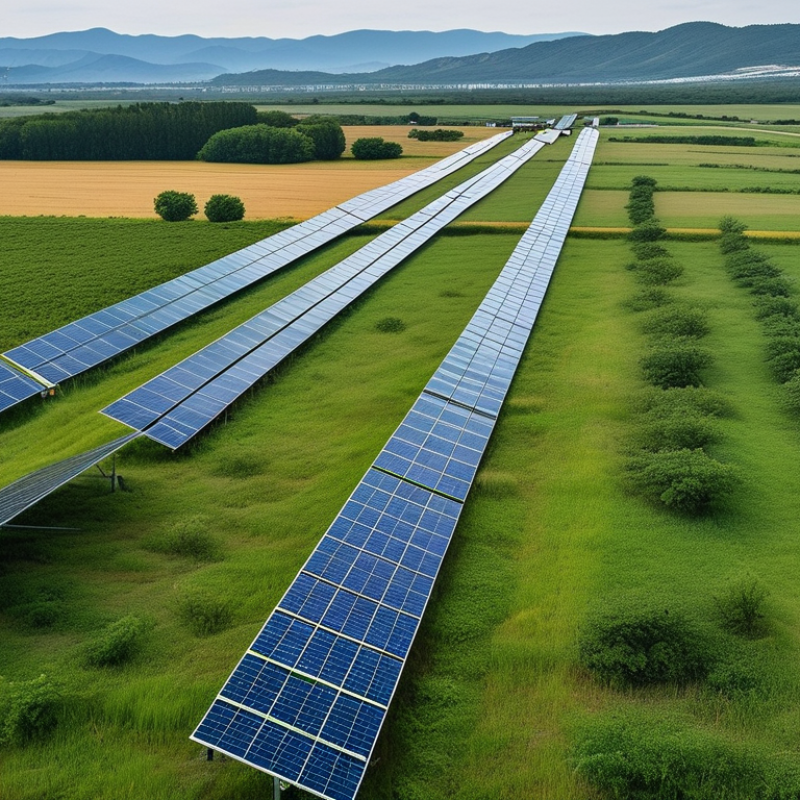
When considering solar panels, certifications play a crucial role in ensuring quality and performance. One of the most recognized certifications is the IEC 61215. This standard assesses the design and performance of solar panels. According to the Solar Energy Industries Association (SEIA), panels with this certification are expected to withstand harsh environmental conditions.
Another important certification is the UL 1703. This certification evaluates thermal performance and safety. A recent report by GTM Research highlights that panels with UL certification demonstrate improved reliability. Solar modules should also hold a certification for reliability, like PVEL's Reliability Scorecard, which evaluates long-term performance across various stress tests.
Moreover, environmental certifications, such as those from the International Electrotechnical Commission (IEC), indicate compliance with sustainability standards. The Global Solar Council emphasizes that consumers increasingly prefer panels that meet these eco-friendly criteria. However, the growing number of certifications can sometimes overwhelm buyers, making it essential to understand what each one represents. It's vital to research and ensure that any panel selected meets adequate standards for safety and performance.
When purchasing solar panels, certifications play a crucial role. They assure buyers of product quality and reliability. Key certifications include the International Electrotechnical Commission (IEC) standards, specifically IEC 61215 and IEC 61730. These standards evaluate performance and safety, ensuring the panels can withstand harsh conditions. According to the U.S. Department of Energy, certified panels have a 95% lower chance of failure and outperform non-certified models in durability tests.
Testing from independent laboratories further enhances these certifications. Panels that adhere to the California Energy Commission (CEC) regulations guarantee higher energy production. A report from the National Renewable Energy Laboratory indicates that compliant panels can produce up to 15% more energy over their lifespan compared to non-compliant ones. It is essential to research and verify these certifications when considering an investment in solar technology.
Despite the assurances certifications provide, buyers must remain vigilant. Some manufacturers may misrepresent their certifications or offer misleading information. Regularly reviewing performance reports and third-party assessments can help ensure the solar panels will meet profitability and longevity expectations. In an industry characterized by rapid advancements, understanding certifications is vital for informed decision-making.
When purchasing solar panels, understanding certifications is crucial. These certifications serve as reliable indicators of panel performance and safety. A widely recognized certification is the IEC 61215. This standard evaluates the long-term performance and durability of solar panels. Panels passing this test can withstand various environmental stresses, including humidity and temperature fluctuations.
Another important certification is the UL 1703. This certification focuses on the electrical safety of solar panels. It ensures that the products meet stringent safety requirements, protecting consumers from potential hazards. Both of these certifications provide buyers confidence in their purchases.
Beyond performance and safety, the Environmental Product Declaration (EPD) can also be informative. EPDs give insights into the environmental impacts of solar panels. However, it’s essential to note that not all manufacturers pursue this certification. Buyers may find it challenging to compare products without consistent environmental metrics. This variability can lead to uncertainty, making the selection process more complex. Be aware of these factors when making your choice.
When purchasing solar panels, buyers should pay close attention to environmental and safety certifications. The International Electrotechnical Commission (IEC) sets essential standards for solar products. Panels should meet IEC 61215 for design qualifications. This ensures durability and reliability within varying environmental conditions.
Moreover, compliance with IEC 61730 is critical. This certification addresses safety measures and risk reduction in solar panel production. Failure to meet these standards can lead to significant risks. The National Renewable Energy Laboratory (NREL) found that inadequate safety measures can cause electrical hazards. Buyers need to ensure that their panels are tested under these standards to minimize such risks.
Yet, not all certifications are created equal. Some panels may hold certifications that are less rigorous. It is crucial for buyers to research the certification bodies and their reputation. An apparent lack of transparency in some certifications should raise concerns. The Renewable Energy Laboratory suggests verifying test results and performance claims. This information is vital for informed purchasing decisions.
Before purchasing solar panels, verifying their certifications is crucial. Key certifications include UL 1703 and IEC 61215, which assess safety and performance. According to a report by the National Renewable Energy Laboratory, certified panels yield better long-term returns, highlighting the importance of reliable certification.
Consider reviewing the manufacturer’s documentation thoroughly. Authentic certifications should include precise test results and compliance details. Look for panels that have been tested by recognized organizations. The Solar Energy Industries Association emphasizes that independent testing provides assurance of product quality.
Examining warranties is another key factor. Quality panels often come with ten to twenty-five years of warranty. This reflects confidence in their performance. Remember, not all brands offer equal reliability. Be cautious with new manufacturers lacking experience in the industry. Assessing consumer reviews and expert analyses can reveal potential shortcomings.
Ensuring that your solar panels have the right certifications can enhance energy efficiency and safety. Take the time to verify each certification to make informed decisions. Reliable panels not only save you money but also contribute positively to the environment.
| Certification | Description | Importance |
|---|---|---|
| IEC 61215 | Tests the performance and reliability of solar panels under standard conditions. | Ensures panel durability and performance over time. |
| IEC 61730 | Focuses on the safety and quality of solar panels. | Ensures electrical safety and fire protection standards are met. |
| UL 1703 | Evaluates the safety of photovoltaic modules. | Critical for ensuring that solar panels can withstand environmental stresses. |
| California Energy Commission (CEC) | Sets standards for energy efficiency and performance of solar panels in California. | Important for compliance in the California market and beyond. |
| TUV Rheinland | Tests and certifies solar panels according to global standards for performance and safety. | Widely recognized certification that enhances consumer confidence. |
: Certifications assure buyers of product quality and reliability. They indicate that panels meet essential standards for performance and safety.
Look for certifications like IEC 61215 and IEC 61730. These ensure durability and safety for solar panels.
Independent tests verify claims made by manufacturers. Certified panels often outperform non-certified ones in durability and energy production.
No, not all certifications are the same. Some may be less rigorous, so research the certification bodies carefully.
Review test results and compliance details. Authentic certifications should provide clear and accurate information.
Warranties reflect confidence in a product. Quality panels often come with warranties from ten to twenty-five years.
Inadequate measures can lead to electrical hazards. Certifications like IEC 61730 minimize these risks during production.
Verify certifications and examine consumer reviews. Regularly reviewing performance reports can assist in avoiding poor investments.
Misrepresentation can lead to purchasing unreliable products. Always cross-check certifications with independent assessments to ensure authenticity.
Certified panels can produce up to 15% more energy over their lifespan compared to non-compliant panels. This enhances profitability and efficiency.
When considering solar panels, a common question arises: "what certifications should solar panels have?" Understanding the various certifications is crucial for buyers to ensure the quality and performance of their solar investments. Certifications serve as benchmarks for assessing the efficiency, longevity, and safety of solar panels, assuring consumers that the products meet industry standards.
Additionally, familiarizing oneself with common certifications, such as those related to performance and environmental safety, can significantly influence purchase decisions. These standards not only validate the panel's efficiency and environmental impact but also enhance overall safety for consumers and the ecosystem. To ensure informed purchasing, buyers should know how to verify these certifications before making a commitment, ultimately leading to a more reliable and satisfying solar energy experience.

GAF Solar