Solar energy is vital for a sustainable future. As many homeowners shift to solar panels, understanding how to maximize solar panel efficiency becomes crucial. It allows individuals to harness energy effectively and reduce costs. However, achieving peak performance requires knowledge and attention to detail.
Many factors influence solar panel efficiency, including location, installation, and maintenance practices. For example, panels should be positioned to receive optimal sunlight throughout the day. The angle and orientation of solar panels play a significant role in energy production. Regular cleaning and checks can also enhance performance. Neglecting these elements might result in underperformance.
By effectively applying these insights, users can significantly increase their solar panel output and investment value. It is essential to stay informed and adapt practices as technology evolves. Understanding how to maximize solar panel efficiency not only benefits individual users but also contributes to wider environmental goals.
Understanding Solar Panel Orientation for Optimal Sun Exposure
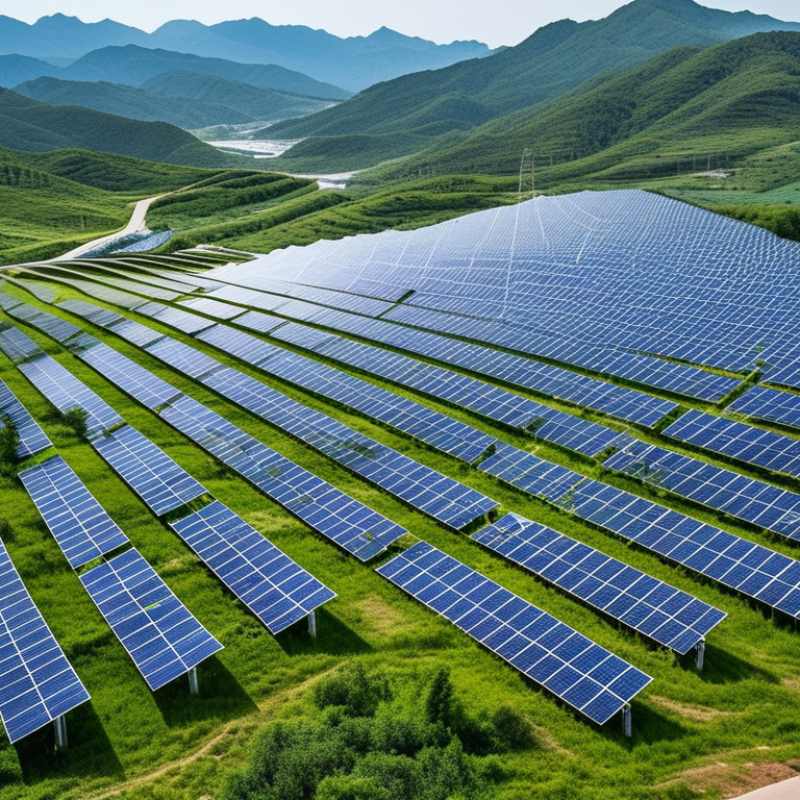
Solar panel orientation significantly impacts efficiency. Studies reveal that proper alignment can boost energy production by up to 25%. Many homeowners overlook the importance of angling their panels correctly. Ideally, panels should face true south in the Northern Hemisphere and true north in the Southern Hemisphere. This positioning maximizes exposure to sunlight throughout the day.
In addition to direction, tilt angle matters. The optimal angle for solar panels changes with the seasons. A general rule is to adjust the angle to match the latitude of your location. For instance, if you live at 30 degrees latitude, setting your panels at a similar angle could enhance output. However, many installations remain flat, losing valuable energy during winter months.
It's worth noting that local weather conditions also affect efficiency. Regions with higher cloud cover may require unique strategies. Regular maintenance can identify issues like dirt buildup, which can block sunlight. This aspect often gets neglected, leading to decreased performance over time. Understanding these nuances can help ensure your solar investment yields the best possible return.
Importance of Regular Solar Panel Maintenance and Cleaning Techniques
Regular maintenance of solar panels is crucial for optimal performance. According to the National Renewable Energy Laboratory, a mere 20% decrease in efficiency can result from dirt and debris on your panels. This translates to significant energy loss over time, emphasizing the need for routine cleaning. It’s recommended to assess your panels seasonally to determine the need for cleaning or maintenance.
Here are a few tips to maintain your solar panels. Use a soft brush or a microfiber cloth to avoid scratches. Avoid using abrasive cleaners which can damage the surface. Schedule cleanings in the early morning or late evening to prevent rapid evaporation of water. Also, ensure a clear area around your panels. Overhanging branches can drop leaves or berries, leading to blockages.
Monitoring your solar panel system is also important. A regular inspection can reveal potential issues, such as loose connections or wear. The U.S. Department of Energy suggests an annual professional inspection to prolong the lifespan of your system. Neglect can lead to performance issues and costly repairs that could have been avoided. A small investment in maintenance can lead to improved efficiency and a longer lifespan for your solar panels.
Using Energy Storage Systems to Enhance Solar Efficiency
Energy storage systems (ESS) play a crucial role in enhancing the efficiency of solar panels. They allow households and businesses to store excess energy generated during peak sunlight hours. According to the International Renewable Energy Agency (IRENA), integrating storage can boost solar efficiency by up to 30%. This capability is particularly important during high-demand periods when sunlight is low.
Battery technology is evolving rapidly. Today, lithium-ion batteries dominate the market, with efficiencies exceeding 90%. However, they come with their own set of challenges, including lifespan and recycling issues. It’s essential to balance capacity and cost. Reports suggest that the initial investment can deter some users. Yet, studies show that the long-term savings often justify the upfront costs.
Data indicates that combining solar energy with storage systems can significantly reduce energy costs. A study by Lazard illustrates that, in certain regions, this combination results in an average levelized cost of energy (LCOE) lower than coal. Still, challenges remain, particularly in terms of infrastructure and policy support. This gap requires careful consideration and ongoing research to maximize potential benefits for solar energy systems.
Incorporating Smart Technology for Real-Time Energy Monitoring
Integrating smart technology into solar energy systems can significantly enhance their efficiency. Real-time energy monitoring is one powerful method to achieve this. By accessing immediate data on energy production and consumption, homeowners can make informed decisions. It allows them to identify patterns and adjust usage based on real-time outputs. The technology can signal when energy production is low or high, providing insight into optimal usage times.
Additionally, smart devices can be programmed to manage energy flow. For instance, during peak sunlight hours, energy can be stored, allowing for later use. This monitoring can help avoid wasting energy. However, the reliance on technology can sometimes lead to overconfidence. Users may neglect regular maintenance of solar panels, which can affect performance. Balancing technology with traditional upkeep is essential for optimal efficiency.
Moreover, having access to apps and dashboards can be overwhelming. The sheer volume of data can result in confusion, complicating simple decisions. Users should focus on a few key metrics that matter most. Gathering valuable insights requires understanding what is essential and what isn't. Navigating this technology is a learning process, with some missteps along the way.
Evaluating the Impact of Weather and Location on Solar Performance
Weather and location play critical roles in solar panel performance. In sunny areas, solar panels can generate more energy. However, cloudy days and heavy rainfall can reduce output significantly. For instance, a panel in Seattle may perform differently than one in Phoenix, even with the same technology. The angle of sunlight also impacts energy production.
Temperature is another key factor. Solar panels tend to operate less efficiently in extreme heat. High temperatures can lead to decreased voltage output. On the other hand, cold weather can enhance performance. The difference might not be huge, but it can affect annual energy yield. Monitoring local weather conditions can help optimize performance.
Location matters. Urban areas with tall buildings can create shadows. This shading can cut energy generation. Rural areas may provide more sunlight exposure and fewer obstructions. Understanding local climate trends is important for setup. To truly maximize efficiency, regular performance assessments are necessary. Not all installations will yield the same results, and adjustments may be needed.
FAQS
: Regular maintenance is crucial for optimal performance, preventing significant energy loss from dirt and debris.
It’s recommended to assess your panels seasonally to determine if cleaning or maintenance is needed.
Use a soft brush or microfiber cloth to avoid scratches; never use abrasive cleaners.
Schedule cleanings in the early morning or late evening to prevent rapid evaporation of water.
Urban areas with tall buildings can create shadows, reducing energy generation compared to rural locations.
Cloudy days and heavy rainfall can significantly reduce output; sunny areas yield more energy.
High temperatures decrease efficiency, while cold weather can enhance performance, slightly impacting energy yield.
Regular inspections can reveal issues like loose connections, preventing performance drops and costly repairs.
Neglect can lead to performance issues and costly repairs that could have been avoided with routine care.
Yes, an annual professional inspection can prolong the lifespan and improve efficiency of your solar system.
Conclusion
To maximize solar panel efficiency, understanding the orientation of your panels is crucial for optimal sun exposure. Proper angle adjustments can greatly enhance the amount of sunlight your system captures throughout the day. Additionally, regular maintenance and cleaning are vital; dust and debris can obstruct sunlight, reducing overall performance. Implementing energy storage systems further boosts efficiency, allowing for the use of solar power during non-sunny periods.
Incorporating smart technology can provide real-time monitoring of energy production, helping users identify patterns and make adjustments to enhance output. Finally, being mindful of weather conditions and geographical location is essential, as these factors can significantly influence solar panel performance. By following these guidelines, homeowners can effectively learn how to maximize solar panel efficiency and reap the benefits of renewable energy.

 GAF Solar