Choosing the right solar panel manufacturer can be challenging. With numerous options available, it’s crucial to understand how to compare solar panel manufacturers effectively. Industry expert Dr. Emma Taylor emphasizes, “The right manufacturer can make or break your solar investment.” Her words underline the importance of informed decisions in this field.
When evaluating solar panel manufacturers, consider factors like efficiency, warranty, and customer service. Each aspect plays a significant role in the overall performance of your solar system. Many consumers overlook the importance of warranty coverage, which can indicate a company's confidence in their product.
Engaging with peers or reading reviews can provide valuable insights. It's important to recognize that no manufacturer is perfect. Some may excel in efficiency but lack in customer support. Reflecting on these trade-offs is essential for making the most informed choice in your solar journey.
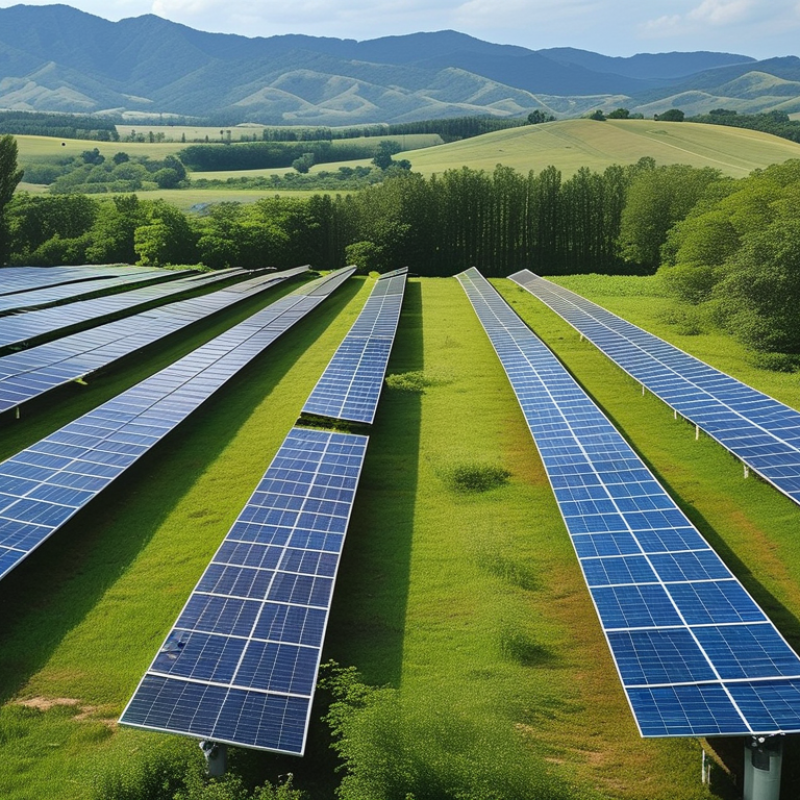
When comparing solar panel manufacturers, understanding the diverse technologies available is crucial. Solar panels can primarily be categorized into three types: monocrystalline, polycrystalline, and thin-film. Monocrystalline panels, known for their high efficiency, are made from single crystal structures. They perform well in limited space and lower temperatures, making them a popular choice for residential installations.
Polycrystalline panels, on the other hand, are created from multiple crystals. They tend to be less efficient than monocrystalline but are often more affordable. These panels are suitable for larger installations where space is less of a concern. Thin-film panels differ significantly in composition, using various materials to create a flexible and lightweight option. While they typically have lower efficiency rates, their installation versatility can be a game-changer.
Each technology has its strengths and weaknesses. Monocrystalline panels may degrade over time, affecting longevity. Polycrystalline options can struggle in extreme heat. Thin-film panels, while adaptable, might require more space to generate equivalent power. Understanding these nuances is essential for making informed choices that align with individual energy needs and installation constraints.
When evaluating solar panel manufacturers, reputation and industry experience are crucial factors. A manufacturer with a strong track record often signifies reliability. A report by the Solar Energy Industries Association (SEIA) states that established manufacturers tend to deliver better customer satisfaction. Consumers should investigate how long a company has been in the market, as experience typically correlates with product quality.
Industry certifications also play a significant role. The International Electrotechnical Commission (IEC) sets standards that reputable manufacturers often meet. Companies that achieve these certifications show their commitment to safety and efficiency. Moreover, looking at warranty offerings can provide insight into a company's confidence in their products. A longer warranty often indicates that a manufacturer believes in the longevity of their solar panels.
However, newer manufacturers can offer innovative solutions. They may lack the extensive history of established companies, but their fresh approaches can result in advanced technology. It’s essential to balance experience with potential innovation. Assessing customer reviews and case studies can reveal both strengths and weaknesses. This practice allows consumers to make more informed decisions.
When evaluating solar panel manufacturers, performance and efficiency metrics are crucial. Focus on two main metrics: efficiency rating and degradation rate. Efficiency ratings indicate how well a panel converts sunlight into electricity. Higher ratings often translate to more power generation from the same space. Degradation rate shows how much output decreases over time. A lower rate means better long-term performance.
Consider these tips: Look for panels with efficiency ratings above 18%. Research panels that have a degradation rate below 0.5% per year. This combination will ensure better returns on your investment. Additionally, pay attention to real-world performance data. Manufacturer claims may not reflect actual conditions.
Many users overlook certifications. Ensure that panels meet industry standards for safety and efficiency. These details add credibility to a manufacturer's claims. Do not hesitate to request performance reports or testimonials from existing users. Understanding these aspects can help you avoid pitfalls and make informed decisions.
| Metric | Manufacturer A | Manufacturer B | Manufacturer C | Manufacturer D |
|---|---|---|---|---|
| Max Efficiency (%) | 21.5 | 20.8 | 21.2 | 19.9 |
| Power Output (W) | 400 | 350 | 320 | 300 |
| Warranty (Years) | 25 | 20 | 25 | 15 |
| Temperature Coefficient (%/°C) | -0.34 | -0.40 | -0.35 | -0.45 |
| Annual Degradation (%/Year) | 0.54 | 0.65 | 0.55 | 0.75 |
When comparing solar panel manufacturers, warranties, certifications, and customer support are crucial factors. A typical solar warranty lasts 10 to 25 years. According to the Solar Energy Industries Association (SEIA), many manufacturers offer a performance warranty guaranteeing at least 80% of their panel output after 25 years. A strong warranty reflects the company's confidence in its product and helps ensure long-term reliability.
Certifications play a significant role in determining quality. The Underwriters Laboratories (UL) certification is a standard that assesses safety and performance. Additionally, a panel with the International Electrotechnical Commission (IEC) certification has passed rigorous testing. Reports show that certified panels often perform better over time, delivering more energy compared to non-certified options.
[Image]
Customer support cannot be overlooked. Manufacturers with responsive service teams can address issues efficiently. A survey found that 70% of consumers prioritize customer service when selecting a solar provider. It's essential to read reviews and check ratings before making a choice. An industry report highlighted that strong after-sales support often correlates with higher satisfaction. These factors are key to making a knowledgeable, confident decision.
When exploring solar panel options, pricing strategies play a crucial role. Various manufacturers employ different pricing models, affecting your overall investment. Some may offer lower upfront costs but have higher long-term expenses. Understanding the total cost of ownership is vital. This includes maintenance, warranties, and efficiency over time.
Financing options add another layer of complexity. Many companies provide leasing, loans, or power purchase agreements. Each choice has unique implications on your budget. A lease may seem appealing due to no upfront payment, but it often lacks ownership benefits. A loan can lead to greater savings long-term but requires initial capital.
Consumers should also consider incentives and rebates. Some local and federal programs can significantly offset costs. Researching these options can provide a clearer picture of your financial commitment. A thorough analysis of pricing and financing choices ensures you make an informed decision that suits your financial situation.
: The main types are monocrystalline, polycrystalline, and thin-film panels.
They are known for high efficiency and excellent performance in small spaces and cooler temperatures.
They are generally less efficient than monocrystalline but often more affordable for larger installations.
They are flexible and lightweight, making them versatile for various installation scenarios.
They may degrade over time, affecting their longevity and performance.
They can be less effective in extreme heat conditions, impacting their overall efficiency.
Pricing models vary, affecting upfront costs, long-term expenses, and total cost of ownership.
Consumers can choose from leasing, loans, or power purchase agreements, each with different financial implications.
They can significantly reduce costs and help consumers better understand their financial commitments.
Analyzing pricing, financing options, and understanding each panel's strengths and weaknesses is vital.
When considering how to compare solar panel manufacturers for optimal choices, it's essential to understand the various solar panel technologies and types available. Each technology comes with its unique features and advantages, influencing overall performance and efficiency. Evaluating manufacturer reputation and industry experience also plays a crucial role, as established companies tend to offer reliable products and services.
Additionally, analyzing performance and efficiency metrics allows consumers to make informed decisions based on how well panels perform under different conditions. Warranty options, certifications, and customer support are equally important and provide assurance of product quality and service reliability. Finally, assessing pricing strategies and financing options can help consumers find the best value for their investment, ensuring that they choose a manufacturer that meets both their budget and energy needs.

GAF Solar