As solar energy becomes increasingly important, understanding the variations in technology is crucial. What is the difference between solar panel technologies? According to Dr. Emily Chen, a leading expert in renewable energy systems, "The efficiency and cost-effectiveness of solar panels depend on the type of technology used." This highlights the importance of recognizing different technologies and their unique advantages.
Monocrystalline, polycrystalline, and thin-film solar panels each have distinct features. Monocrystalline panels offer high efficiency levels but can come with a higher price tag. On the other hand, polycrystalline panels are more affordable, while thin-film options are lightweight and flexible. However, their efficiency is generally lower.
Dr. Chen's insights emphasize the need for consumers to assess their specific requirements before selecting a solar panel. With so many choices available, it can be overwhelming. Each type of solar panel technology presents its pros and cons, which require careful consideration. Understanding the differences can significantly impact energy output and overall investment returns. Thus, navigating these choices is essential for informed decision-making.
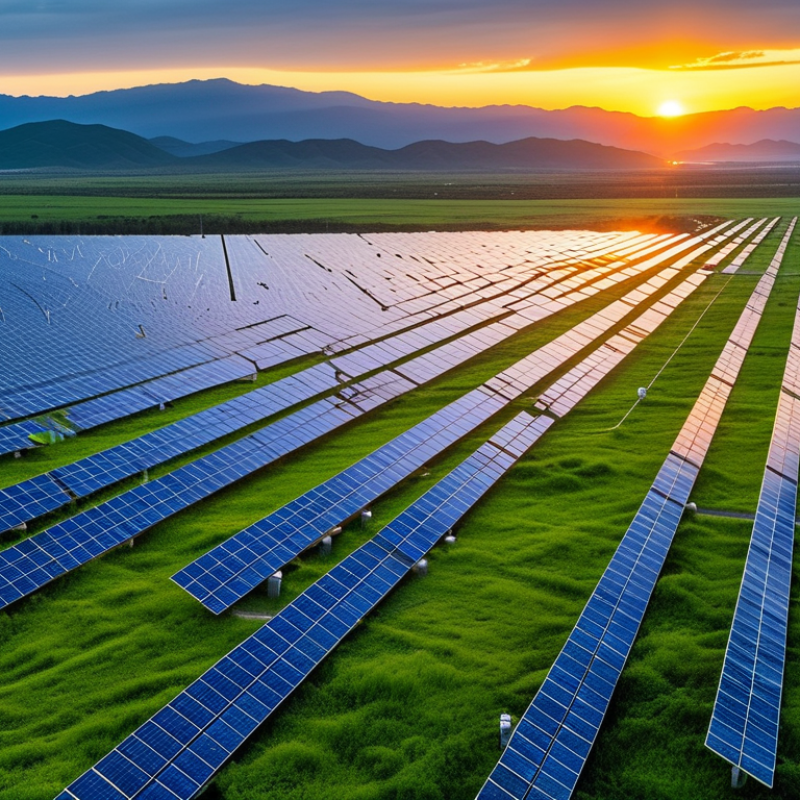
Overview of Solar Panel Technologies in China
China has become a leading player in solar panel technology. Various types exist, each with unique features and benefits. The three main technologies are monocrystalline, polycrystalline, and thin-film panels.
Monocrystalline panels are known for their high efficiency and sleek appearance. They are made from a single crystal structure, which allows for better energy conversion. However, they can be more expensive to produce. Polycrystalline panels are often more affordable. They’re made from multiple crystal structures. While they are less efficient than monocrystalline, they are widely used due to their cost-effectiveness.
Thin-film technology has gained attention recently. These panels are lightweight and flexible, providing versatility in installation. Yet, they largely fall short in efficiency compared to crystalline types. As technology progresses, each type will have its strengths and weaknesses, influencing consumer choices. Understanding these differences is vital for making informed decisions in solar energy investments.
Overview of Solar Panel Technologies in China
Key Differences Between Monocrystalline and Polycrystalline Panels
When choosing solar panels, understanding the key differences between
monocrystalline and polycrystalline technologies
is essential. Monocrystalline panels are made from
single-crystal silicon. This gives them a higher efficiency,
often exceeding 20%. They tend to occupy less space while generating more power. Their sleek
black appearance is also an aesthetic advantage for some homeowners.
In contrast, polycrystalline panels are created from
multiple silicon crystals. This results in a lower efficiency,
typically around 15-17%. They are generally less expensive to produce, making them an
attractive option for budget-conscious consumers. However, their blue, speckled look might not appeal to
everyone, and their larger footprint can be a drawback in space-limited installations.
It's important to consider environmental factors as well.
Monocrystalline panels tend to perform better in low-light conditions.
But polycrystalline panels may be more acceptable for large-scale installations
due to their cost-effectiveness. Each technology has its strengths and weaknesses,
leading to difficult choices for buyers. As solar technology evolves, staying informed about new advancements
will help you make the best decision for your energy needs.
Emerging Technologies: Bifacial and Thin Film Solar Panels
Bifacial solar panels, known for their unique design, capture sunlight on both sides. This feature enhances energy generation, especially in open fields or reflective surfaces. They can increase overall power output by up to 30%. However, their efficiency can be affected by mounting and installation practices. In regions with less sunlight, the benefits may not be as pronounced.
Thin film solar panels present another innovative technology. They are lightweight and flexible, allowing for diverse applications. These panels can be integrated into building materials like windows or roofs. Despite their versatility, thin film technology typically has lower efficiency compared to crystalline silicon panels. The manufacturing process can also be resource-intensive, raising questions about long-term sustainability.
Understanding these technologies is vital for informed decisions. Bifacial panels may outperform in optimum conditions, while thin film panels offer flexibility. However, market dynamics and regional factors greatly influence their effectiveness. Reflecting on these nuances can guide better choices in solar energy investments.
Efficiency Metrics: How Different Technologies Compare
Solar panel technologies have distinct efficiency metrics that significantly influence their performance. Crystalline silicon panels, popular in the industry, typically achieve efficiencies between 15% and 22%. This efficiency varies based on manufacturing processes and material quality. For example, top-tier panels can reach efficiencies above 22%. However, these gains often come with higher costs, which can deter consumers.
In contrast, thin-film technologies, while generally less efficient at around 10% to 12%, offer advantages in flexibility and lightweight applications. They are suitable for unconventional installations, although their lower efficiency limits widespread adoption. Recent reports indicate that advancements in cadmium telluride and copper indium gallium selenide technologies could soon elevate thin-film efficiencies. Still, the path to competitiveness remains challenging.
Newer concepts like bifacial solar panels are gaining traction. These models harness sunlight from both sides, potentially boosting energy production by up to 30%. Yet, the actual performance depends on installation and environmental factors. Industry data show that while bifacial panels can offer enhanced returns, careful site assessment is vital. These evolving technologies represent both promise and uncertainty in the quest for higher solar energy efficiency.
China Top Solar Panel Technologies Differences Explained? - Efficiency Metrics: How Different Technologies Compare
| Technology Type |
Typical Efficiency (%) |
Temperature Coefficient (%/°C) |
Lifespan (Years) |
Cost ($/W) |
| Monocrystalline |
15-22 |
-0.3 |
25 |
0.50-0.80 |
| Polycrystalline |
13-18 |
-0.4 |
25 |
0.40-0.70 |
| Thin-Film |
10-12 |
-0.2 |
20 |
0.30-0.60 |
| Bifacial |
15-22 |
-0.35 |
30 |
0.55-0.85 |
Future Trends in China's Solar Panel Industry
China's solar panel industry is evolving rapidly. Innovations in technology shape its future.
For instance, bifacial solar panels are gaining traction.
These panels capture sunlight from both sides, increasing energy efficiency.
Industry experts predict they will dominate the market soon.
Another trend is the use of perovskite materials.
They promise higher efficiency at a lower cost. This can make solar energy more accessible.
However, challenges remain. Stability and durability of these materials need improvement.
Their long-term performance is still uncertain.
Recycling old panels is also becoming more critical. With increased production, waste management is a pressing issue.
Companies are exploring methods to reclaim materials. This effort could support sustainability goals.
The industry must balance growth with environmental responsibility.
Without addressing these concerns, the future may face significant hurdles.
FAQS
: The main types are monocrystalline, polycrystalline, and thin-film panels. Each offers distinct features.
Monocrystalline panels are more efficient but costlier. Polycrystalline panels are less efficient but more affordable.
Thin-film panels are lightweight and flexible. They can be integrated into various building materials.
Crystalline panels typically achieve efficiencies between 15% and 22%, depending on materials and manufacturing.
Bifacial panels capture sunlight on both sides. They can boost energy generation by up to 30%.
No, thin-film panels are less efficient, making them limited for widespread adoption. Flexibility remains a strength.
Mounting, installation practices, and environmental conditions can significantly impact bifacial panel performance.
Each technology has strengths and weaknesses. Informed decisions lead to better investments in solar energy.
Advancements in thin-film technologies offer hope, but challenges in competitiveness remain significant.
Cost, efficiency, and installation conditions are crucial. Reflecting on these can enhance decision-making processes.
Conclusion
The article "China Top Solar Panel Technologies Differences Explained" delves into the various solar panel technologies prevalent in China, focusing on their distinct characteristics and performance metrics. It compares monocrystalline and polycrystalline panels, highlighting their efficiency and suitability for different applications. Additionally, emerging technologies such as bifacial and thin-film solar panels are examined, emphasizing their potential advantages and future implications for energy production.
The discussion of efficiency metrics reveals how different technologies answer the question of "what is the difference between solar panel technologies," providing insights into how each type performs under various conditions. The article concludes with a look at future trends in China's solar panel industry, suggesting innovations that could reshape the market and enhance solar energy adoption.

 GAF Solar