Choosing the right solar panel can be daunting. With numerous options available, making a decision requires careful consideration. Expert David Green, a leading figure in solar energy, emphasizes, "Understanding your energy needs is the first step to choosing effectively." His insights highlight the importance of a tailored approach.
When discussing how to choose the right solar panel, it's crucial to evaluate efficiency, cost, and warranty terms. Various brands offer differing performance levels, making comparisons essential. Consumers often face confusion over technical jargon, like "monocrystalline" versus "polycrystalline." This adds complexity to the decision-making process.
Many buyers overlook installation services, which can impact overall system performance. Additionally, understanding local regulations and incentives is vital. These can significantly affect the long-term value of your solar investment. Reflecting on past decisions can reveal areas for improvement, ensuring that future choices are more informed and aligned with personal and environmental goals.
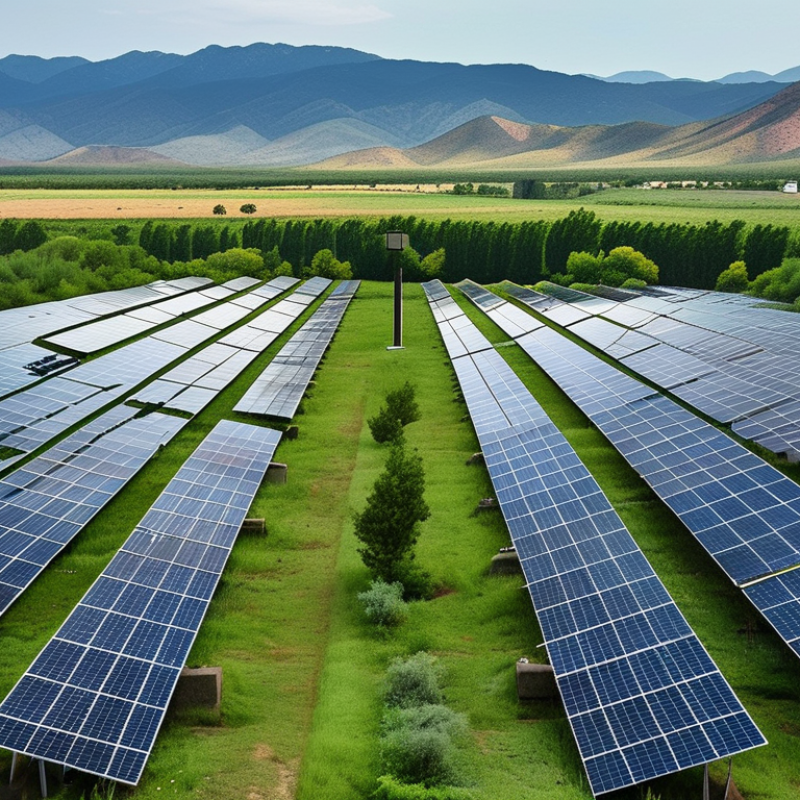
Understanding Solar Panel Types and Technologies
When selecting solar panels, understanding different types and technologies is crucial. Currently, there are three main types of solar panels:
monocrystalline, polycrystalline, and thin-film. Each type has its own benefits and limitations.
Monocrystalline panels are known for their efficiency, reaching up to 22% performance. In contrast, polycrystalline panels offer lower efficiency but at a more affordable price.
Thin-film panels are less efficient, generally falling between 10-12%, but they are lightweight and flexible. This makes them suitable for unique installations.
According to a 2023 report by the International Energy Agency, solar panel technologies continue to innovate. The report highlights that bifacial panels, which capture sunlight from both sides, could improve system efficiency by 10-20%.
However, potential buyers must also consider the installation environment. Shading, roof angles, and local weather impact performance. While a higher efficiency rating can be attractive, the overall system cost and longevity matter too. Reflecting on these aspects ensures a more informed decision. Choosing the right panel involves more than just efficiency; it requires assessing individual needs and circumstances.
Evaluating Efficiency Ratings and Performance Characteristics
When choosing the right solar panel, efficiency ratings and performance characteristics are critical. Efficiency ratings indicate how much sunlight can be converted into usable electricity. Higher ratings often mean better performance, especially in limited spaces. However, the most efficient panels may not always be necessary for every installation.
Consider how sunlight exposure varies in your area. Local climate can impact performance. For example, a panel that works great in sunny regions may underperform in cloudy areas. Understanding your environment helps in selecting the right equipment.
Different panels have varying warranties and lifespan. A longer warranty may indicate higher confidence from the manufacturer. Yet, it's essential to research independent reviews. Not all ratings are created equal. Reliable data from trusted sources can guide your decision. As you evaluate, stay mindful: the perfect panel doesn't exist. Each option has pros and cons to consider.
10 Essential Tips for Choosing the Right Solar Panel
| Tip |
Description |
Efficiency Rating |
Performance Characteristics |
| 1. Check Efficiency |
Look for panels with higher efficiency ratings to maximize energy output. |
18% - 22% |
High efficiency means more energy production per square meter. |
| 2. Warranty Considerations |
Longer warranties indicate better quality and reliability. |
10 - 25 years |
Coverage of performance loss and product defects. |
| 3. Temperature Coefficient |
Lower coefficients perform better in high temperatures. |
-0.3% to -0.5% |
Measures performance decline per degree Celsius increase. |
| 4. Bifacial Technology |
Consider bifacial panels for increased energy capture from both sides. |
Up to 30% more energy |
Utilizes reflected sunlight from the ground. |
| 5. Brand Reputation |
Choose manufacturers with strong reputations for product quality and customer service. |
Varies |
Look for reviews and ratings from other customers. |
| 6. Application Suitability |
Ensure the panels are suitable for your specific installation (roof vs. ground). |
N/A |
Factors include surface area, angle, and shading. |
| 7. Price per Watt |
Compare cost based on efficiency to find cost-effective options. |
$0.50 - $1.00 per watt |
Indicates long-term investment value. |
| 8. Panel Size and Weight |
Consider dimensions and weight for installation compatibility. |
Standard sizes |
Must fit available roof space and structural integrity. |
| 9. Certification Standards |
Look for certifications like IEC and UL for quality assurance. |
N/A |
Validity and longevity of the product. |
| 10. Customer Support |
Evaluate the level of customer service and support offered by the seller. |
N/A |
Availability of installation, maintenance, and troubleshooting help. |
Assessing Cost, Incentives, and Return on Investment
When choosing the right solar panel, cost is a major factor to consider. Prices can vary significantly, depending on the type and efficiency of the panel. It’s crucial to calculate the total cost, including installation and any additional equipment. A cheaper panel may save you money initially but could lead to higher long-term expenses. Evaluating the lifespan and warranty of the panel can provide insight into its overall value.
Incentives also play a vital role in your decision. Many regions offer tax credits, rebates, or other financial incentives for solar installations. These can drastically reduce your upfront costs. Research local programs to maximize your benefits. Additionally, consider the potential return on investment. An efficient solar panel can save you money on energy bills over time. However, projecting this saving requires careful analysis of your energy needs and local utility rates. It’s essential to approach this decision informed but flexible, as the market and your personal needs may change.
Identifying Reputable Manufacturers and Warranty Options
Choosing the right solar panel is crucial for maximizing your energy savings. Start by identifying reputable manufacturers. Quality and reliability matter. Look for companies with a solid track record in the solar industry. Check their history, years of operation, and customer feedback. It's important to trust the source. You want a manufacturer that stands by its product.
Warranty options play a significant role in your decision. A strong warranty indicates confidence in product durability. Most solar panels come with a 25-year performance warranty. Some may offer additional coverage for the equipment itself. Understand what is included. Review the terms carefully. Ensure they cover potential performance drops or manufacturing defects over time.
Don't overlook the importance of certifications. These can provide assurance of safety and efficiency. Look for panels that meet industry standards. You may want to visit local regulatory bodies' websites for additional insights. Yet, remember not all information online is reliable. Verify claims through multiple sources. Your investment in solar energy should be both informed and secure, leading to long-term benefits.
10 Essential Tips for Choosing the Right Solar Panel
This bar chart displays the average values of key factors to consider when choosing solar panels, including efficiency, warranty duration, temperature coefficient, cost per watt, and degradation rate. Understanding these metrics can help consumers make informed decisions.
Considering Installation and Maintenance Requirements
When selecting solar panels, installation and maintenance are key factors. Start by assessing your roof's condition. A sturdy roof will support solar panels for decades. Cracks, leaks, or age can complicate installation. Evaluate whether your roof needs repairs or replacements before committing.
Choosing the right installer is crucial. Look for certified professionals with experience in solar installations. Ask for references and read reviews. A poor installation can lead to future problems. Ensure the installer explains the entire process clearly. Understand how to maintain your system afterward. Regular inspections and cleanings can enhance efficiency.
Tip: Consider the distance from your utility meter. Longer distances may require additional wiring and affect costs. Factor in local weather conditions as well. Some systems may need adjustments based on regional climates. Your choice should align with both installation ease and future maintenance. This balance will optimize your investment and energy generation.
Conclusion
Choosing the right solar panel is crucial for maximizing your investment and ensuring long-term energy savings. To make an informed decision, it is essential to understand the various types of solar panels and technologies available. Evaluating efficiency ratings and performance characteristics will help you determine which panels best suit your energy needs. Furthermore, assessing the overall cost, potential incentives, and the expected return on investment is vital for budgeting purposes.
In addition, identifying reputable manufacturers and examining their warranty options can provide peace of mind regarding the durability and reliability of your solar setup. Finally, do not overlook installation and maintenance requirements, as these factors can significantly impact the overall effectiveness of your solar panel system. By following these essential tips, you will be better equipped to navigate the process of how to choose the right solar panel for your specific needs.

 GAF Solar