The rising adoption of solar panels highlights the importance of understanding pricing. What factors influence solar panel pricing for global buyers? This question is central to making informed purchasing decisions. Global markets often face fluctuating prices due to various external influences.
Manufacturing costs play a crucial role. The price of raw materials, labor, and technology directly impacts solar panel pricing. Additionally, policies and tariffs may affect costs in different regions. Buyers must navigate these complexities to ensure they obtain competitive rates.
Market demand is another driving force. When demand exceeds supply, prices tend to rise. Conversely, oversupply can lead to lower prices. Understanding these dynamics empowers buyers, allowing them to anticipate market trends and make strategic purchases. Overall, awareness of these factors enables consumers to better align their investments with their energy needs.
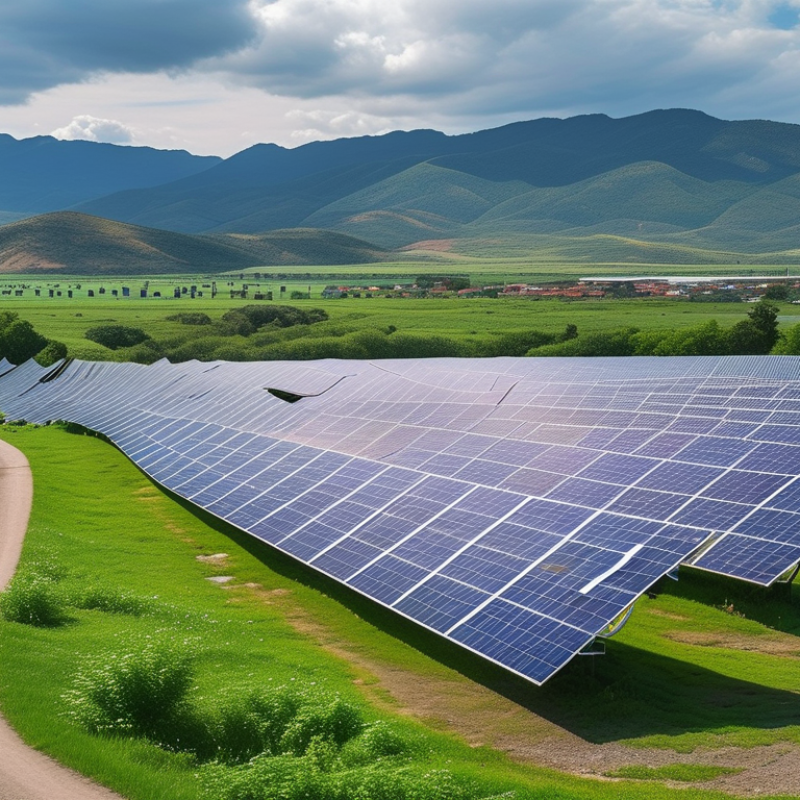
The global solar panel market has seen fluctuations in pricing influenced by various factors. Economic growth in emerging markets boosts demand, driving prices up. Conversely, oversupply from manufacturers can lead to reduced costs. Tariffs and trade policies also shape pricing, creating uncertainty for buyers.
When considering solar panel purchases, buyers should monitor global market trends. Keep an eye on changes in trade regulations. Understanding local supply chains can provide insight into potential price shifts.
Tips: Research market reports and forecasts. Connect with industry experts for insights. Balance quality with affordability. Ultimately, informed decisions lead to better investments in solar technology.
The pricing of solar panels is heavily influenced by material costs. Key components like silicon, glass, and metals dictate overall expenses. Silicon, being the primary material, has seen price fluctuations due to supply chain challenges. When silicon prices spike, manufacturers often pass those costs onto consumers.
Understanding these dynamics is crucial for buyers. The type of glass used can also affect durability and pricing. High-quality, tempered glass typically costs more but offers better protection. Consumers should consider the long-term value rather than just the initial price tag.
Market trends can lead to uncertainty in pricing. Global events, such as trade disputes or natural disasters, may disrupt the supply chain, leading to unexpected price increases. While it’s tempting to focus solely on upfront costs, buyers need to reflect on the entire investment. Cheaper options might translate to higher costs over time if they require more maintenance or have shorter lifespans.
Rapid advancements in solar technology significantly affect pricing for buyers. New materials, improved efficiency, and innovative manufacturing processes contribute to variations in costs. High-efficiency panels use advanced photovoltaic cells. These materials can boost efficiency, yet they also increase production expenses. Buyers face the dilemma of choosing between affordability and efficiency.
Price fluctuations occur due to market dynamics. Supply chain issues and demand spikes can impact costs dramatically. Additionally, tariffs and trade policies play a role in pricing. Environmental regulations can also affect manufacturing costs. Buyers must consider these factors to make informed decisions.
While technology promises sustainability, it is not without challenges. Not all advancements equate to better pricing for consumers. Sometimes, the latest technology may not yield immediate benefits for the average user. Balancing innovation with cost-effectiveness remains a conversation worth exploring. The value of solar panels continues to evolve while prices exhibit volatility. Buyers should remain vigilant and continuously update their knowledge.
Government policies play a crucial role in shaping solar panel pricing worldwide. Incentives such as tax credits and subsidies can significantly reduce the financial burden on buyers. For instance, many countries offer installation rebates which lower upfront costs. These policies create an attractive environment for investment, leading to broader adoption of solar energy.
However, the effectiveness of such policies can vary by region. In some areas, bureaucratic hurdles delay approvals for incentives. Buyers may find themselves frustrated by complex procedures that overshadow the potential savings. Moreover, the temporary nature of certain incentives can lead to uncertainty, affecting long-term pricing strategies for solar panels.
Another factor is the influence of tariffs and import duties. Countries may impose tariffs on solar equipment to protect local manufacturers. This can lead to higher costs for buyers in those regions. Yet, while these tariffs aim to support local economies, they can inadvertently stymie the growth of the renewable energy market. Balancing protectionism with accessibility remains a challenge for policymakers.
| Country | Average Solar Panel Price (USD/kW) | Incentives Available | Government Policies | Market Growth Rate (%) |
|---|---|---|---|---|
| United States | 3.00 | 30% Federal Tax Credit | Renewable Portfolio Standards | 20 |
| Germany | 2.50 | Feed-in Tariff | Energiewende Policy | 15 |
| China | 1.00 | Subsidy Programs | National Energy Administration Policies | 25 |
| India | 1.50 | Solar PV Program | National Solar Mission | 30 |
| Australia | 2.80 | Small-scale Technology Certificates | Renewable Energy Target | 18 |
The global market for solar panels is affected by various supply chain dynamics. Factors such as raw material costs, shipping logistics, and manufacturing capabilities significantly impact pricing. For instance, fluctuations in silicon prices can lead to noticeable changes in panel costs. When demand surges, manufacturers often struggle to keep up, resulting in increased prices.
Tips: Always research multiple suppliers. Comparing quotes can uncover better deals and save money.
Logistics also plays a crucial role. Delays in shipping can lead to shortages, pushing prices higher. Regional trade policies can impose tariffs or import duties, further complicating the pricing landscape. Buyers should monitor these external factors closely to make informed decisions.
Tips: Build relationships with suppliers. Understanding their challenges can lead to better negotiation outcomes.
Finally, consider the economic stability of the production regions. Natural disasters or political instability can disrupt supply chains. These unpredictable elements can result in sudden price hikes. Staying informed about global events is essential for making strategic purchasing decisions.
: Pricing is influenced by technological advancements, supply chain dynamics, and market demand.
Supply chain disruptions, like shipping delays, can lead to shortages and higher prices.
Not necessarily. Higher efficiency can mean higher costs without immediate benefits for all users.
Monitor market trends, tariffs, trade policies, and supply chain dynamics to understand pricing.
Fluctuations in raw material prices, like silicon, can lead to noticeable changes in panel costs.
Strong relationships can lead to better negotiation and potentially lower prices.
Stricter regulations may increase manufacturing costs, which can be passed on to consumers.
New technology may not always result in lower prices or immediate savings for buyers.
Comparing quotes can highlight better deals and help save costs.
Events like natural disasters can disrupt supply chains and cause sudden price increases.
The pricing of solar panels is shaped by a variety of factors that are crucial for global buyers to understand. Key elements include global market trends, where fluctuations in demand and supply can lead to notable price changes. Additionally, material costs play a significant role, as the prices of raw materials like silicon have a direct impact on the final cost of solar panels. Technological advancements also contribute to price variability; as innovations reduce manufacturing costs, they can make solar energy more accessible.
Furthermore, government policies and incentives significantly influence solar panel costs, with subsidies and tariffs affecting market prices in different regions. Lastly, supply chain dynamics, including logistics and distribution strategies, further complicate pricing structures. Thus, understanding what factors influence solar panel pricing is essential for consumers and investors navigating this rapidly evolving market.

GAF Solar