How Many Solar Panels Do I Need for My Home?

Time:2026-06-30 Author:Amelia
0%

Determining "how many solar panels do I need" can be a complex task. According to John Smith, a leading solar energy expert, “The number of panels depends on various factors unique to each home.” This highlights the importance of personalized analysis when considering solar energy.

Homeowners must evaluate their energy needs, roof size, and local climate. Getting the right number of panels can lead to significant savings. However, it's crucial to recognize that estimates can vary. Overestimating needs may lead to unnecessary expenses, while underestimating could result in insufficient energy supply.

The journey toward solar energy is not always straightforward. Factors like shading from trees or neighboring buildings can affect solar panel efficiency. Homeowners should be prepared to seek professional advice. It’s an essential step in making informed decisions about their solar investment.
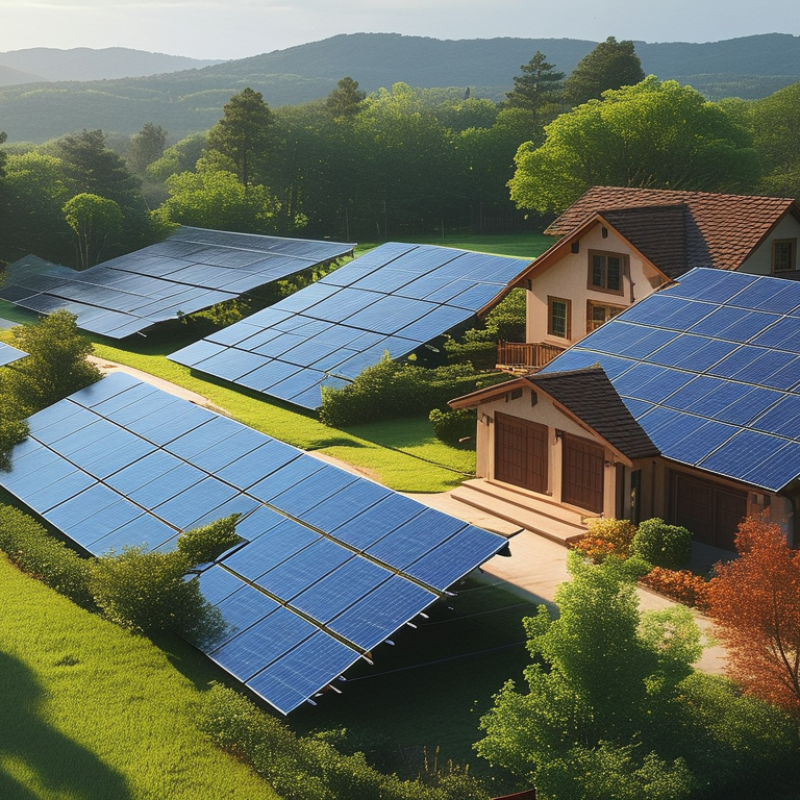
How Many Solar Panels Do I Need for My Home?

Factors Affecting the Number of Solar Panels Needed for Your Home

When considering how many solar panels you need, various factors come into play. The size of your home significantly impacts this decision. A larger home generally requires more energy, which means more solar panels. Energy consumption patterns also matter. If your family consumes a lot of electricity, you’ll need additional panels to cover that demand.

Geographical location plays a critical role too. Homes in sunnier areas can generate more energy and potentially require fewer panels. On the other hand, if you live in a region with frequent overcast days, you might need extra panels to compensate for lower production. Roof orientation and shading are other key factors. A south-facing roof with minimal shade tends to be the most efficient setup for solar panels.

Lastly, determining your energy goals is essential. Some homeowners aim to be completely off-grid, while others only want to reduce their bills. Your potential future needs should also be taken into account. Adding electric vehicles or new appliances could change your energy usage. These reflective considerations help in accurately estimating the number of panels you should install.

How Many Solar Panels Do I Need for My Home?

This chart represents the estimated number of solar panels needed based on different home energy consumption levels. The data reflects average energy usage in kilowatt-hours (kWh) per month and the corresponding number of solar panels required to meet that demand.

Calculating Your Home's Energy Consumption for Solar Panel Needs

To determine how many solar panels your home needs, start by calculating your energy consumption. The average American household consumes about 877 kWh per month. This translates to roughly 10,500 kWh per year. Each solar panel generates around 300 watts of power. In optimal conditions, a single panel can produce about 350 kWh annually.

With this data, you can estimate your panel needs. If your home consumes 10,500 kWh annually, divide this by the output of a single panel. You would need approximately 30 solar panels to fully offset your electricity usage. However, this number can vary based on the efficiency of the panels and local weather conditions.

Consider also the solar potential in your area. Some regions receive ample sunlight, while others may not. Data from the National Renewable Energy Laboratory indicates that homes in sunnier states can produce more energy with fewer panels. This variability highlights the importance of personalized assessments. Your energy needs may change, and so could the efficiency of your panels over time. Planning for these factors is crucial for an effective solar installation.

Understanding Solar Panel Output and Efficiency Ratings

When considering solar panels for your home, understanding their output and efficiency ratings is crucial. Solar panels convert sunlight into electricity, but their effectiveness varies. Output is measured in watts, while efficiency reflects how well a panel converts sunlight. High-efficiency panels produce more power in limited space, which is beneficial for small roofs.

Many people overlook the importance of local sunlight availability. A location with fewer sunny days requires more panels to meet energy needs. Panel orientation and installation angle also affect performance. It's essential to evaluate these factors. Knowing your average energy consumption helps estimate how many panels you might need.

To calculate your solar energy needs, start by analyzing your utility bill. This will give insight into your daily energy consumption. Next, research the efficiency ratings of different panels. A reliable panel may have a lower wattage but can still meet your needs. Be open to adjusting your plan if performance doesn't match expectations. Exploring various options will lead to better decisions for your home solar system.

Evaluating Available Roof Space and Sunlight Exposure

When considering solar panels for your home, evaluating roof space is critical. Measure the total area available for installation. Check for obstructions like chimneys and satellite dishes. These could limit the number of panels you can use. A sunny, unobstructed roof is ideal for maximizing energy production.

Next, sunlight exposure plays a significant role in system efficiency. Observe how many hours of sunlight your roof receives daily. South-facing roofs typically capture the most sunlight. However, east and west-facing roofs can still be effective, depending on tree cover and shading.

Sometimes, homeowners overlook these factors. They may assume any roof is suitable for solar panels. It’s essential to analyze each aspect carefully. Shadowing from nearby buildings or trees can reduce efficiency. Measurements must be precise for accurate calculations. If your roof doesn't get enough sun, consider alternative solutions.

How Many Solar Panels Do I Need for My Home? - Evaluating Available Roof Space and Sunlight Exposure

Roof Type Available Roof Space (sq ft) Average Sunlight Exposure (hours/day) Estimated Panels Needed Estimated Energy Production (kWh/year)
Flat Roof 600 5 15 6,570
Pitched Roof 500 4.5 12 5,184
Tile Roof 450 6 10 4,380
Metal Roof 700 7 18 9,072

Financing Options and Long-Term Savings with Solar Panel Installation

Financing options for solar panel installation are crucial for homeowners. Many people worry about the initial costs. However, studies show the average payback period for solar panels is about 5 to 7 years. This means that after this period, homeowners can save significantly on energy bills. In fact, the U.S. Department of Energy reports that solar energy can save homeowners over $20,000 over 20 years, making it a wise investment.

Moreover, various financing options are available. Tax credits, like the Federal Investment Tax Credit, can offset 26% of installation costs. Some local programs offer low-interest loans or rebates. These incentives make the switch to solar more accessible. However, it’s essential to review your local government's offerings. Not all areas provide the same level of support, and some may have strict regulations.

Calculating how many solar panels you need depends on energy use and roof size. This calculation can seem complex. Sometimes, homeowners underestimate their consumption or the space available for installations. Consulting with a professional is a good practice. Accurate numbers can lead to better savings, but be cautious and ask about all costs involved. Understanding the long-term financial benefits can ease any initial hesitance.

FAQS

: How does the size of my home affect solar panel needs?

: Larger homes usually require more solar panels due to higher energy consumption.

What role does geographical location play in solar panel installation?

Sunny areas may need fewer panels as they produce more energy compared to overcast regions.

How can I calculate my home's energy consumption?

Start with your monthly usage, typically around 877 kWh, and calculate yearly to estimate panel needs.

What is the average output of a single solar panel?

A single solar panel can produce about 350 kWh annually under optimal conditions.

How do I know if I need to adjust my panel count over time?

Changes in energy usage, like adding appliances or vehicles, may require recalculating your panel needs.

Are there financing options for solar panel installation?

Yes, options include tax credits, low-interest loans, and local rebates to help with costs.

What are the common misconceptions about solar panel costs?

Many homeowners underestimate the savings. The payback period is usually 5 to 7 years.

How can efficiency affect my solar panel calculation?

The efficiency of panels and local weather can change how many you actually need.

How important is roof orientation for solar panel efficiency?

A south-facing roof with minimal shading is ideal for maximizing solar energy production.

Why is consulting a professional recommended?

Professionals can provide accurate assessments and help clarify costs and installation details.

Conclusion

When considering how many solar panels do I need for my home, several factors come into play. First, it's essential to calculate your home's energy consumption, as this will determine the number of panels required to meet your energy needs. Understanding the output and efficiency ratings of various solar panels is also crucial, as this influences how much energy each panel will generate.

Additionally, evaluating your available roof space and sunlight exposure is important, as these elements impact the overall effectiveness of a solar installation. Finally, exploring financing options can help make solar panel installation more accessible, while also providing insights into potential long-term savings on energy costs. By carefully considering these factors, homeowners can make informed decisions about their solar energy solutions.

Amelia

Amelia

Amelia is a seasoned marketing professional with a wealth of expertise in our company’s core offerings. With an unwavering passion for driving growth and innovation, she plays a pivotal role in shaping our marketing strategies and enhancing brand visibility. A key aspect of her responsibilities......