How long do solar panels last when they come from China’s leading manufacturers? The practical answer is usually measured in decades, not a few years. Yet a panel’s advertised warranty is not the same as its actual service life. A performance warranty sets a minimum output level under stated conditions; it does not promise that every panel will perform identically for 25 or 30 years.
NREL’s 2024 Annual Technology Baseline uses a 30-year system life and a 0.7% annual module degradation rate in its utility-scale solar modeling. These are planning assumptions, not a guarantee for an individual roof or project. Still, they offer a useful benchmark: gradual power loss is expected, even when panels remain physically intact. Think of a rooftop panel exposed to summer heat, winter frost, dust, and thousands of hours of sunlight. Small stresses accumulate.
The manufacturer’s name matters, but so do the module’s bill of materials, production quality, installation, and operating environment. Buyers should compare warranty terms, independent test results, and product traceability—not rely on a brand ranking alone. Certification helps establish that a product passed specified tests. It does not predict every field outcome.
There is a catch. Two panels installed on the same street can age differently. Shading, poor mounting, moisture ingress, or neglected maintenance may shorten useful service life. This guide examines how long do solar panels last, what industry data can—and cannot—tell us, and which questions to ask when evaluating top manufacturers in China. The evidence is useful, but never perfect.
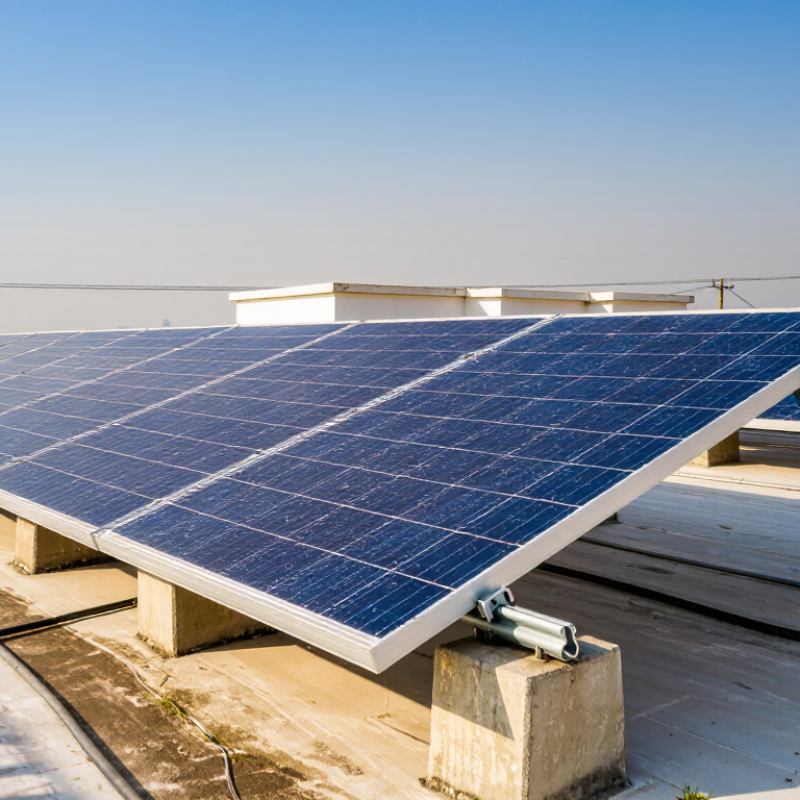
Solar panels from Chinese manufacturers do not have one fixed service life. In practice, a well-installed system may produce useful electricity for 25 to 30 years or longer. That is not a guarantee. Heat, moisture, dust, shading, and poor mounting can change the outcome.
A 2013 review by NREL researchers Jordan and Kurtz examined nearly 2,000 reported photovoltaic degradation rates. Its median rate was about 0.5% per year. At that pace, a panel would retain roughly 88% of its original output after 25 years. The figure is an average, not a promise for an individual roof. Some panels degrade more slowly; others suffer early damage. A small crack can matter.
NREL’s 2020 reliability research also discusses long-term module durability and the common 25-year performance-warranty benchmark. A warranty period should not be mistaken for a panel’s expiration date. Check actual output over time, not just the date printed on the paperwork. Dust on a glass surface, loose wiring, or a shaded corner may reduce production before the modules reach old age. I would treat any lifespan estimate cautiously: local weather and installation quality are easy to underestimate.
| Panel Category | Typical Performance Warranty | Indicative Annual Degradation | Illustrative Output After 25 Years | Practical Service-Life Expectation |
|---|---|---|---|---|
| Monocrystalline PERC silicon | Commonly 25–30 years, depending on the product | About 0.45%–0.55% per year in many product specifications | Approximately 86%–89% of initial output, using a simple linear estimate | Often 25–30 years or longer when properly installed and maintained |
| N-type TOPCon silicon | Commonly 25–30 years, depending on the product | About 0.40%–0.45% per year in many product specifications | Approximately 89%–90% of initial output, using a simple linear estimate | Often 25–30 years or longer; actual results depend on product quality and site conditions |
| Heterojunction (HJT) silicon | Commonly 25–30 years, depending on the product | About 0.35%–0.45% per year in some product specifications | Approximately 89%–91% of initial output, using a simple linear estimate | Often 25–30 years or longer; long-term field performance varies by product and installation |
| Solar module in general | Product warranties and performance warranties are separate and vary by model | Gradual output decline is normal; rates differ by module and environment | Use the specific module’s warranty terms and degradation schedule for a reliable estimate | Panels may continue producing electricity after their warranty period, usually at reduced output |
| Notes: Figures are indicative industry ranges, not guarantees for every product or manufacturer. The 25-year output estimates use a simple calculation based on the stated annual degradation rate; actual performance warranties may use different calculation methods or milestone guarantees. Heat, humidity, salt exposure, shading, installation quality, maintenance, and physical damage can affect service life. Check the individual product documentation for exact warranty terms. | ||||
Many panels can deliver useful power for 25 years or longer. Actual service life depends on the roof and system conditions.
No. A product warranty may cover defects, while a performance warranty describes expected remaining output. Neither sets an exact end date.
Heat, humidity, salt air, and repeated temperature changes can stress materials. Shade, dust, fallen leaves, and trapped moisture can also matter.
Look for visible cracks or loose connections, and compare production readings across seasons. Don’t climb onto the roof yourself.
A review of nearly 2,000 reported rates found a median decline of about 0.5% per year. That is context, not a roof-specific forecast.
Under steady compounded decline, a panel would retain roughly 88% of its initial output. Real results can differ.
Read the guaranteed output schedule, claim conditions, and measurement method. An 80% output promise differs from an 87% promise.
Keep the invoice, serial numbers, installation records, warranty document, and independent test records. Small details matter. A neat percentage can still leave questions.
How long do solar panels last depends on their construction, operating conditions, and ongoing care. Panels from leading Chinese manufacturers are generally designed for decades of use, with their durability assessed through tests that simulate exposure to heat, humidity, mechanical stress, and changing weather. These evaluations help indicate how well panels may maintain reliable output over time, though real-world performance can vary with installation quality, local climate, shading, and ventilation.
To understand a panel’s expected service life, compare its product and performance warranties and review the stated degradation rate, which describes how output gradually declines. Regular inspections and basic maintenance can help keep a system operating effectively. Watch for visible damage, unusual changes in energy production, or other signs of aging, and address concerns promptly. Together, sound testing, clear warranty terms, suitable installation, and attentive care provide a more realistic picture of long-term performance than a single lifespan estimate.

 GAF Solar