The performance of solar panels is a critical topic in the renewable energy sector. Understanding "why solar panel performance changes over time" is essential for consumers and manufacturers alike. According to a report from the National Renewable Energy Laboratory (NREL), solar panel efficiency can decline by 0.5% to 3% annually due to various factors. These include environmental conditions, manufacturing quality, and technological advancements.
Dr. Emily Johnson, a leading expert in solar technology, states, "Understanding the nuances behind performance drops is vital for long-term investment in solar energy." Her insights highlight the necessity for transparency in solar panel performance metrics. Factors like shading, dust accumulation, and temperature fluctuations can greatly impact energy output.
Addressing the reasons for performance changes offers an opportunity for improvement. As the industry evolves, manufacturers are increasingly focusing on durability and efficiency. New materials and technologies promise to minimize performance degradation. However, it's imperative for consumers to be informed about these limitations. Awareness fosters realistic expectations regarding solar panel investment and energy production efficiency over time.
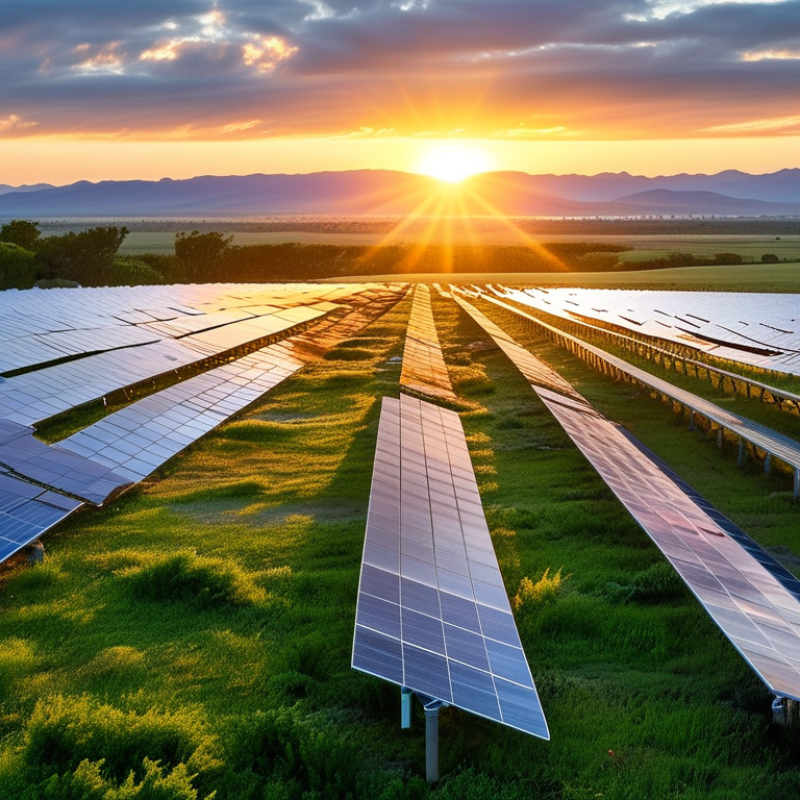
Solar panel performance can change over time due to various factors. One key element is exposure to environmental conditions. UV radiation, heat, and moisture can degrade solar cells. A report by the National Renewable Energy Laboratory shows that temperature fluctuations can decrease efficiency significantly. Regular maintenance is essential to mitigate this.
Another factor is dust and debris accumulation on the surface. Studies indicate that dirty panels can lose up to 25% of their efficiency. Cleaning panels periodically can ensure maximum energy production.
TIP: Use a soft brush or a sponge to clean panels gently. Avoid harsh chemicals that can harm the surface.
Furthermore, the materials used in solar panels affect their lifespan. Lower-quality panels may degrade faster, leading to reduced performance. Investing in higher-quality solar technology may save costs in the long run.
One must consider that technology is evolving. New innovations could enhance energy conversion rates in future models. Keeping an eye on industry trends is beneficial for long-term planning.
Solar panels are known for their durability, yet they experience performance changes over time due to various degradation mechanisms. A significant factor is photo-induced degradation, which affects crystalline silicon modules. Research shows that around 10% of initial efficiency can be lost in the first year alone. This decline occurs as exposure to sunlight leads to changes in the material structure.
Another common issue is thermal degradation. Elevated temperatures can accelerate wear on solar cells. A study indicated that for every 1°C increase in temperature, module efficiency could drop by roughly 0.5%. This highlights the importance of installation location and temperature management for optimal performance.
Mechanical stress is also a concern. Panels endure wind, snow, and other environmental factors. Over time, micro-cracks can develop, further diminishing energy output. Data suggests that these cracks can reduce efficiency by around 5% to 15% over the panel's lifespan. Proper installation and regular maintenance are crucial for minimizing these issues, yet many systems go unchecked. Addressing these degradation mechanisms is vital for maximizing the lifespan and efficiency of solar panels.
Solar panels are designed to harness sunlight effectively. However, their performance can fluctuate over time due to several environmental factors. Dust and dirt accumulation on the surface of panels can significantly reduce their ability to absorb sunlight. Regular cleaning is essential but often overlooked. Even small amounts of grime can lead to efficiency losses.
Weather conditions also play a crucial role. High temperatures can reduce solar panel efficiency, while cloudy days limit energy production. Snow and heavy rainfall may create temporary barriers, obstructing sunlight. Yet, these factors vary based on location. In some areas, intense sun can enhance performance, while in others, cloud cover may be more common.
Additionally, the angle and orientation of solar panels can affect their energy absorption. Seasonal changes in sunlight can influence how much energy is captured. Regular assessments and adjustments can optimize performance. This awareness allows for better energy planning. Ultimately, understanding these influences is key to maintaining the efficiency of solar energy systems.
This chart illustrates how solar panel efficiency can change over time due to various environmental influences such as temperature, shading, and maintenance factors. The data represents the average efficiency of solar panels over a five-year period under different conditions.
Solar panels are designed to harness sunlight efficiently, but their performance can vary over the years. Dust, debris, and weather conditions can impact their effectiveness. To ensure longevity, regular maintenance is essential.
Cleaning your solar panels is a simple yet effective practice. Use a soft brush and mild detergent to remove dirt. This can significantly enhance efficiency. Aim for a minimum of two cleanings per year, especially after heavy storms.
Inspecting the wiring and connections is also crucial. Look for any signs of wear or damage. Early detection can prevent costly repairs in the future. Additionally, consider scheduling professional inspections annually. Experts can identify issues that may not be visible.
Lastly, monitor the performance of your system regularly. Use monitoring tools to track energy output. If you notice a drop in efficiency, it may indicate a maintenance need. Keeping an eye on performance can help you make timely interventions.
Advancements in solar technology have significantly influenced the performance of solar panels. Over the years, improvements in materials and design have enhanced energy efficiency. Innovations such as bifacial solar panels allow for better light absorption. They can generate energy from both sides. This advancement increases overall output, helping to meet growing energy demands.
However, not all advancements guarantee consistent performance. Environmental factors still play a crucial role. Dust and debris can accumulate on panels, reducing efficiency. Regular cleaning and maintenance are essential. Additionally, new technologies may come with higher costs. Homeowners should weigh potential benefits against initial investments.
Tips for maintaining solar panel performance: Regularly check for debris and clean panels as needed. Use a gentle brush to avoid scratches. Monitor energy output and watch for any fluctuations. Stay informed about new technologies. Keeping up with advancements can help you make informed decisions about upgrades. Always consult with a professional before making significant changes.
: Environmental conditions, dust accumulation, and the quality of materials can all impact performance.
UV radiation, heat, and moisture can degrade solar cells over time, reducing efficiency.
Regular maintenance helps mitigate performance loss due to dust and environmental wear.
It’s recommended to clean panels at least twice a year, especially after storms.
It's a process where sunlight exposure can reduce crystalline silicon module efficiency by about 10% in the first year.
A temperature increase of 1°C can lower efficiency by roughly 0.5%, highlighting the need for proper installation.
Wind, snow, and other weather factors can cause micro-cracks, reducing efficiency by 5% to 15%.
Use monitoring tools to track energy output and identify any drops in efficiency.
Investigate potential maintenance needs, such as cleaning or checking for damage.
Evolving technology may improve efficiency in future models; staying updated can aid planning.
The performance of solar panels is influenced by various factors, which is essential to understand why solar panel performance changes over time. Key degradation mechanisms include material fatigue, micro-cracking, and the effects of weathering, which significantly reduce energy conversion efficiency. Additionally, environmental influences such as temperature fluctuations, humidity, and exposure to pollutants can further impact solar energy efficiency.
To maintain optimal performance, regular maintenance practices are crucial. This includes cleaning panels and ensuring proper installation to mitigate the effects of dust and debris. Advancements in solar technology continue to evolve, promising improvements in durability and efficiency, thereby addressing the challenges associated with performance decline. Understanding these elements provides insights into the longevity of solar energy systems and their overall effectiveness.

GAF Solar