Why Are Solar Panels Becoming More Popular Worldwide?

Time:2026-10-30 Author:Oliver
0%

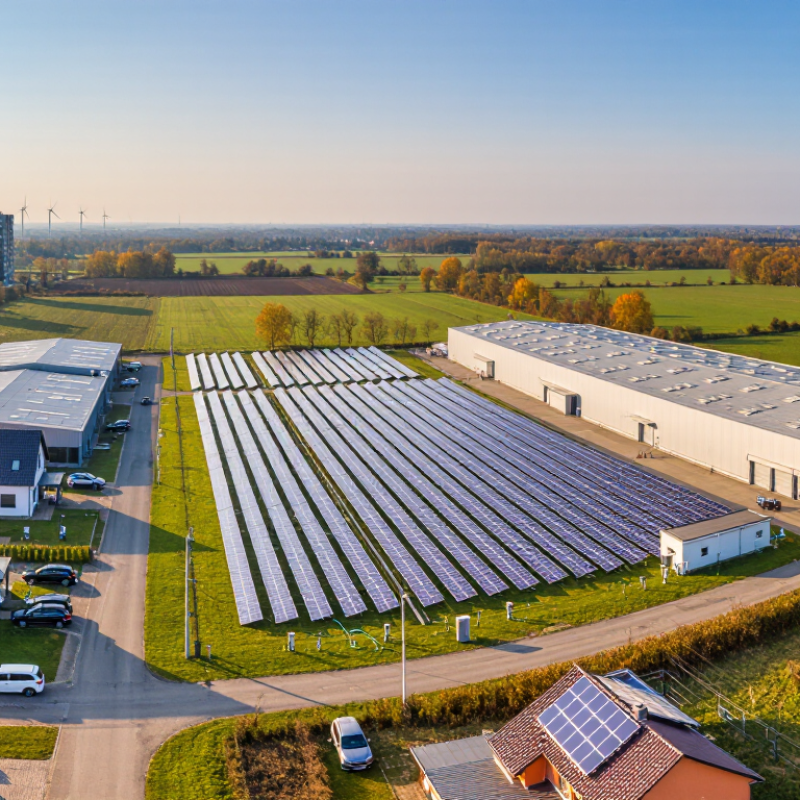
On rooftops, warehouse roofs, and open fields, solar panels are becoming an increasingly familiar sight. Their growing popularity reflects falling equipment costs, better technology, and rising interest in cleaner electricity. For households, panels can turn bright afternoon sunlight into power for lights, appliances, or an electric vehicle. For businesses, they may help manage energy costs over time. Yet the benefits depend on location, installation quality, and how electricity is stored or used.

So, why are solar panels becoming more popular? International Energy Agency Executive Director Fatih Birol captured the technology’s momentum when he said, “I see solar becoming the new king of the world’s electricity markets.” That outlook is supported by rapid deployment and the relative speed of building solar projects compared with many conventional power plants. In some places, rooftop systems also give owners a more direct role in producing electricity. The appeal is practical, not just symbolic.

But the picture is not perfect. Solar output changes with weather and daylight, and panels do not automatically lower every household’s bills. Upfront costs, roof condition, local electricity rates, and access to storage all matter. A sunny roof helps. So does a realistic estimate. This introduction explores the forces behind solar’s global rise while keeping its limits in view. Popularity is evidence of momentum, not proof that one energy source fits every home or grid.
Why Are Solar Panels Becoming More Popular Worldwide?

Declining Costs and Improved Solar Panel Efficiency

Solar panels are becoming more popular partly because each unit of electricity costs less to produce. IRENA’s Renewable Power Generation Costs in 2023 reported a global weighted average cost of $0.044 per kilowatt-hour for new utility-scale solar. That was 56% below the average cost of fossil-fuel alternatives. Lower costs make projects easier to finance and can shorten payback periods. But a lower price tag is not a guarantee. A shaded roof, awkward wiring, or high installation costs can change the numbers for a homeowner.

Efficiency has improved, too. Fraunhofer ISE’s 2024 Photovoltaics Report shows commercial crystalline-silicon modules rising from roughly 15% efficiency around 2010 to above 20% in recent years. In practice, that means a rooftop can generate more power from the same area. Useful when roof space is tight. Still, efficiency charts can flatter the story: heat, dust, and roof direction affect real output. A small panel still needs good sunlight. Solar is more accessible than before, though local conditions remain stubbornly important.

Environmental Benefits and the Shift to Clean Energy

Solar panels are becoming more common because they turn sunlight into electricity without producing direct emissions during operation. On a clear afternoon, rooftop panels can power lights, appliances, and cooling systems while reducing demand from fossil-fuel generation. The environmental benefit is real, but it is not the whole picture. Making panels requires energy and mined materials, and their full climate impact depends partly on how they are produced and transported.

Across many regions, falling installation costs and supportive energy programs have helped solar become part of the shift toward cleaner electricity. Large solar farms can supply power to the grid, while smaller systems give homes and businesses another source of energy. That matters. Less fossil-fuel combustion can mean lower greenhouse-gas emissions and less air pollution near power plants. But sunlight varies with weather and time of day, so grids also need storage, flexible demand, or other reliable power sources.

It is tempting to call solar a simple solution, but that feels incomplete. A shaded roof may produce little electricity, and panels eventually need careful recycling or disposal. Before installing a system, people should consider roof condition, local sunlight, and expected energy use. Progress is uneven. Still, when solar is responsibly made and paired with a well-planned grid, it can meaningfully support the move away from high-emission energy.

Why Are Solar Panels Becoming More Popular Worldwide?

Global solar photovoltaic (PV) capacity has grown rapidly as countries expand clean electricity generation. The figures below show cumulative installed capacity, not annual additions.

Source: IRENA, Renewable Capacity Statistics 2024. Values are rounded to the nearest gigawatt.

Government Policies and Incentives for Solar Adoption

Government policy is a major reason solar panels are becoming more popular worldwide. Rebates, tax credits, and low-interest loans can reduce the upfront cost families face. IRENA’s Renewable Capacity Statistics 2024 reports 346 gigawatts of new solar capacity in 2023. That was about 73% of all new renewable capacity. Yet growth does not mean every household benefits equally.

Policies also shape how quickly projects connect to the grid. Competitive auctions can encourage lower-cost utility-scale plants, while net-metering rules may reward homes that send surplus electricity back to the network. The IEA’s Renewables 2024 report projects nearly 5,500 gigawatts of renewable capacity additions between 2024 and 2030. Solar PV may provide almost 80% of that growth. Stable rules matter. Sudden changes can leave installers and households uncertain.

The practical details are easy to overlook. A rooftop system still needs suitable wiring, a reliable installer, and utility approval. For renters, grants may offer little help without landlord participation. Policy design is not always tidy; some incentives favor households able to pay upfront and claim savings later. That gap deserves attention. Governments are pairing financial support with simpler permits and targeted assistance, but results vary by country and income level.

Expanding Access Through Rooftop and Utility-Scale Systems

Solar’s expansion is increasingly visible on ordinary roofs and across vast utility-scale sites. IRENA’s Renewable Capacity Statistics 2024 reports that solar power added 346 gigawatts worldwide in 2023, the largest contribution to new renewable capacity. Rooftop systems let homes, schools, and businesses generate electricity close to where it is used. A small array above a shop can help offset daytime cooling and lighting loads. Not every roof works.

Utility-scale projects add power at a different scale, supplying grids through large fields of panels. Together, these approaches widen access: households and businesses can adopt distributed systems, while utilities can add substantial generation capacity. The IEA PVPS Trends 2024 report documents the rapid growth of global photovoltaic markets, though installation totals alone do not show who benefits or when. Grid connections, storage, upfront costs, and suitable sites still shape what gets built. A sunny roof may be shaded, structurally unsuitable, or beyond a household’s budget. Large projects can also require careful land-use planning. Expansion is real, but access remains uneven—and that deserves more attention.

Energy Independence and Resilience in a Changing Grid

A rooftop solar array can reduce dependence on distant power plants and volatile fuel prices. Its value becomes clearer when storms or heat waves strain the grid. But panels alone usually shut down during an outage for safety. That distinction matters. Backup power generally requires suitable equipment, such as a battery and an inverter designed to operate independently.

With stored energy, a household may keep lights, refrigeration, or a phone charger running when the grid fails. Not automatically. Backup systems have limits, and a small battery cannot power every appliance for days.

At neighborhood scale, many solar systems can also add local electricity, easing pressure during sunny afternoon peaks. Yet resilience depends on more than panels: cloudy weather, aging equipment, and transmission failures still matter. Solar can be part of a sturdy energy plan, not a guarantee.

It is tempting to treat independence as an all-or-nothing goal. In practice, even powering a refrigerator and a few lights can help, though choosing which loads matter takes honest planning. A household should check its expected usage and backup capacity before relying on stored power during a long outage.

FAQS

How can government incentives make rooftop solar more affordable?

Rebates, tax credits, and low-interest loans can reduce upfront costs. Some support still requires families to pay first.

How do net-metering rules affect solar households?

They may reward homes for sending extra electricity to the grid. The value depends on local rules.

Why do stable solar policies matter?

Sudden rule changes can make households and installers uncertain. Planning gets harder.

Can renters benefit from solar incentives?

Sometimes, but grants may not help without landlord participation. That gap is easy to overlook.

What does a rooftop system need before it can operate?

It needs suitable wiring, a reliable installer, and utility approval. Details matter.

Will solar panels keep a home powered during an outage?

Usually not by themselves. Many systems shut down during outages for safety.

What equipment can provide backup electricity?

A suitable battery and an inverter designed for independent operation can store and supply power.

What can a small battery run during a power failure?

It may keep a refrigerator, lights, or a phone charger working. Not every appliance.

Does solar guarantee household energy independence?

No. Cloudy weather, equipment problems, and grid failures can limit supply. It helps, but it is not a guarantee.

How should households plan for solar backup?

Estimate essential electricity use and compare it with battery capacity. Choosing what matters most takes honest thought.

Conclusion

Solar power is gaining popularity around the world as panel costs decline and efficiency improves. Modern systems can generate more electricity from available sunlight, making them a practical option for households, businesses, and large-scale energy projects. At the same time, growing concern about air pollution and climate change is encouraging communities to shift toward cleaner energy sources. These trends help explain why are solar panels becoming more popular: they offer a way to produce electricity with fewer emissions and increasingly manageable upfront costs.

Government incentives and supportive policies can make installation more affordable, while rooftop systems give property owners a way to generate power close to where it is used. Utility-scale solar farms also contribute electricity to wider grids. By combining solar with suitable energy storage and grid improvements, communities can strengthen energy independence and resilience, especially when fuel supplies or electricity networks face disruption. Together, falling costs, environmental benefits, wider access, and the desire for reliable local power are driving solar adoption worldwide.

Oliver

Oliver

Oliver is a seasoned marketing professional with a wealth of expertise in driving brand awareness and engagement. With a deep understanding of our company's product offerings, he consistently delivers high-quality content that enriches our professional blog. His insights not only shed light on......