How Long Do Solar Panels Last and What Affects Their Lifespan?

Time:2026-06-19 Author:Sienna
0%

When considering solar energy, a common question arises: how long do solar panels last? This query is essential for homeowners and businesses alike. According to the National Renewable Energy Laboratory (NREL), most solar panels have a lifespan of 25 to 30 years. This projection stems from extensive research into the durability and performance of solar technologies.

Expert Alex Smith, a renowned solar industry analyst, states, "The lifespan of solar panels can vary, but advancements in technology continue to improve longevity." Factors like panel quality, installation, and environmental conditions can significantly impact longevity. For example, regions with extreme weather may experience faster degradation.

Solar panels do not function the same way over their entire lives. They often degrade slowly and lose efficiency over time. Recognizing these variations is crucial for consumers. Understanding how long solar panels last can guide investment decisions and ensure reliable energy.
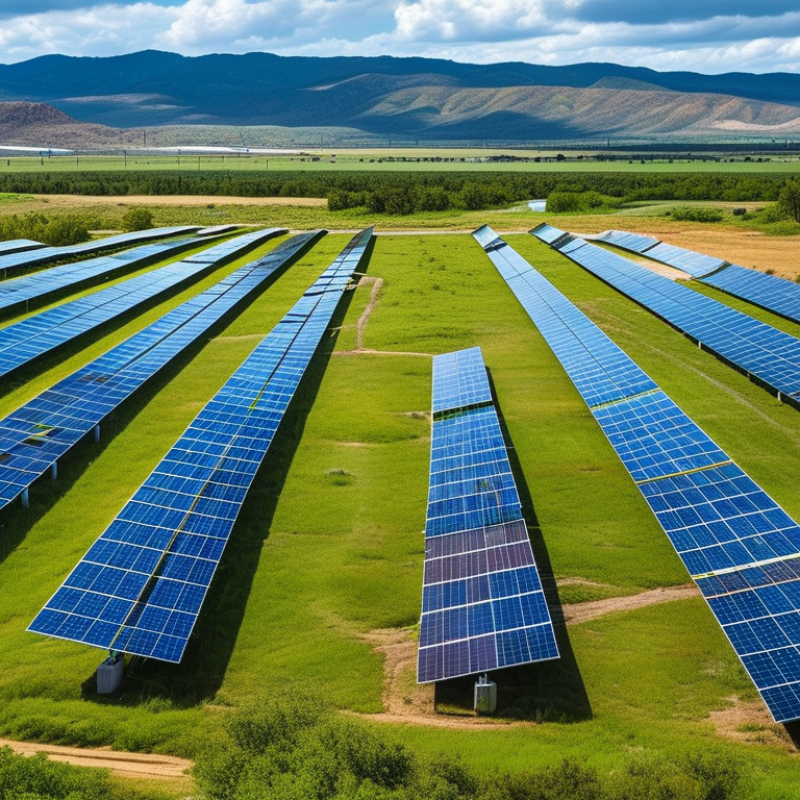
How Long Do Solar Panels Last and What Affects Their Lifespan?

Factors Influencing the Lifespan of Solar Panels

The lifespan of solar panels is primarily influenced by various environmental and operational factors. Exposure to extreme weather conditions can drastically affect their durability. For instance, areas with intense sunlight can lead to overheating. On the other hand, regions with heavy snowfall may increase the risk of physical damage. Additionally, pollutants in the environment can cause surface degradation, reducing efficiency over time.

Regular maintenance plays a crucial role in extending the life of solar panels. Cleaning the panels removes dirt and debris that obstruct sunlight. Dust accumulation can diminish energy production. It's important to note that not all solar panels are created equal. Manufacturing quality varies. Cheaper options may have lower efficiency and shorter lifespans. Considerations such as installation orientation and angle are also significant. A poorly positioned panel will experience increased wear and reduced output.

Another aspect to reflect on is technological advancements. Newer models often incorporate improved materials to withstand environmental stressors better. However, the cost of newer technology can be a barrier for many. Understanding these factors allows homeowners to make informed choices regarding their solar investments. Balancing quality with budget is a constant challenge in the solar panel market.

Average Lifespan of Different Types of Solar Panels

When discussing the average lifespan of different types of solar panels, we find notable variations. Monocrystalline panels typically last about 25 to 30 years. Their efficiency remains high throughout this period, often exceeding 20%. Polycrystalline panels, while cost-effective, have a shorter lifespan of around 20 to 25 years. Their performance may decline more rapidly, especially in extreme weather conditions.

Thin-film solar panels are another option. They generally last about 10 to 15 years, making them the least durable. Despite this, they can be effective in specific scenarios, like on flexible surfaces. According to the National Renewable Energy Laboratory, environmental factors significantly affect all types of panels. High temperatures and extreme weather can lead to faster degradation, impacting energy output.

Regular maintenance also plays a crucial role. Dust and debris can reduce efficiency. A study from the Solar Energy Industries Association suggests that cleaning panels regularly can boost efficiency by up to 30%. When planning solar investments, consider these lifespan differences and environmental factors carefully. They can influence long-term energy savings substantially.

Impact of Installation Quality on Solar Panel Durability

The installation quality of solar panels plays a crucial role in their overall durability. Poor installation can lead to various issues that may shorten the lifespan of solar energy systems. For instance, improper sealing can result in moisture accumulation. This can damage the panels and their internal components. Additionally, misaligned panels may not receive optimal sunlight, reducing their efficiency.

Experienced installers understand the importance of precise placement and secure mounting. They also ensure that the electrical connections are made correctly. An expert team takes the time to assess roof conditions before installation. They look for factors like shading and structural integrity. Underestimating these details could lead to unnecessary repairs or replacements down the line.

Certain installation practices are vital for long-term performance. For example, using substandard materials can negatively impact a panel's ability to withstand harsh weather. It is essential to seek qualified professionals who prioritize quality workmanship over haste. Investing in skilled installation may seem costly initially. However, it tends to save homeowners from frequent maintenance issues later. Always consider these factors when evaluating solar panel installation services.

How Long Do Solar Panels Last and What Affects Their Lifespan? - Impact of Installation Quality on Solar Panel Durability

Factor Impact on Lifespan Average Lifespan (Years)
Installation Quality Poor installation can lead to early failures and decreased efficiency 15-25
Materials Used Higher quality materials generally last longer 20-30
Climate Conditions Extreme temperatures and weather can shorten lifespan 12-20
Maintenance Regular cleaning and checks can enhance durability 25-35
Manufacturer Warranty Longer warranties often correlate with better quality 20-30

Effects of Climate Conditions on Solar Panel Longevity

Climate conditions play a vital role in determining the lifespan of solar panels. Extreme heat or cold can adversely affect their efficiency. For instance, high temperatures can reduce the energy output of solar cells. While most panels are designed for heat resistance, prolonged exposure can lead to wear and tear. In contrast, freezing temperatures can cause materials to contract, which may result in cracking over time.

Moreover, humidity levels can impact durability. High moisture can lead to corrosion of the internal components. This scenario often requires homeowners to consider additional protective measures. Rain might help clean panels, but it can also emphasize issues like water ingress. Dust and debris, accumulating in dry climates, can hinder performance as well.

Wind is another factor. Strong gusts can physically damage solar panels if they are not installed securely. The mounting systems must withstand environmental pressures. Each of these elements can ultimately influence how long solar panels last. It’s essential to assess local conditions before installation. Understanding these interactions can help in making informed decisions about solar energy investment.

Effects of Climate Conditions on Solar Panel Longevity

This chart illustrates the average lifespan of solar panels in different climate conditions. Temperate climates generally see the longest average lifespan, while humid and tropical regions tend to result in shorter lifespans due to increased degradation factors.

Maintenance Practices to Extend Solar Panel Lifespan

Proper maintenance can significantly extend the lifespan of solar panels. Regular cleaning is essential. Dust, leaves, or bird droppings can reduce efficiency. Use a soft brush or a hose to remove debris. Cleaning should ideally be done twice a year, depending on your environment. In areas with heavy rainfall, panels may require less frequent cleaning.

Monitoring for damage is also crucial. Inspect panels for cracks or loose connections. If you notice anything unusual, consult a professional. Issues left unaddressed can lead to decreased performance. Regular check-ups can catch these problems early. Additionally, keeping the surrounding area clear of overgrown vegetation is wise. Overhanging branches can create shade, reducing energy output.

Invest in good quality installation. The initial choices impact long-term performance. Poor installation may lead to faster wear and tear. Seeking experienced professionals ensures panels are well-placed and secured. These practices not only contribute to longevity but also keep your investment worthwhile. Simple actions make a big difference in sustaining efficiency. Reflecting on these aspects helps maximize your solar energy's potential while ensuring your panels last.

FAQS

: What is the average lifespan of monocrystalline solar panels?

: Monocrystalline panels last about 25 to 30 years. They maintain high efficiency during this time.

How long do polycrystalline solar panels typically last?

Polycrystalline panels last around 20 to 25 years. Their performance may decline faster in extreme weather.

What is the lifespan of thin-film solar panels?

Thin-film solar panels last about 10 to 15 years. They are the least durable but work well on flexible surfaces.

How do climate conditions affect solar panel longevity?

Extreme heat or cold can reduce efficiency. Prolonged exposure to high temperatures leads to wear.

Can humidity impact solar panel durability?

Yes, high moisture can cause corrosion in internal components. It may require additional protective measures.

Why is regular maintenance important for solar panels?

Dust and debris can lower efficiency. Regular cleaning can enhance efficiency by up to 30%.

What role does wind play in solar panel longevity?

Strong winds can damage poorly installed panels. Secure mounting systems are essential for durability.

Should I assess local climate conditions before installation?

Yes, understanding local conditions helps in making informed decisions. Each condition interacts uniquely with solar panels.

Are there specific protective measures for solar panels in humid areas?

Homeowners may need to consider additional safeguards. These can help mitigate the risk of moisture damage.

How can extreme weather accelerate solar panel degradation?

High temperatures and frost can lead to cracking. Each extreme can further influence energy output and lifespan.

Conclusion

When considering how long do solar panels last, it's important to recognize that their longevity is influenced by several factors. High-quality materials and components tend to have an average lifespan of 25 to 30 years, though different types of solar panels can show variability. Installation quality plays a crucial role in durability; improperly installed panels can lead to premature degradation. Additionally, climate conditions, such as extreme temperatures and harsh weather, can significantly impact the performance and lifespan of solar panels.

To further extend the lifespan of solar panels, consistent maintenance practices are essential. Regular cleaning and inspections can prevent build-up of debris and identify potential issues early on. By understanding these factors, homeowners can make informed decisions about their solar investments and optimize the durability of their solar systems.

Sienna

Sienna

Sienna is a skilled marketing professional with a deep expertise in our company’s core products and services. With a passion for innovation and detail, she plays a pivotal role in crafting insightful blog posts that not only highlight the unique features of our offerings but also provide valuable......