Solar panels have gained popularity as a renewable energy source. Many wonder, "how do solar panels perform in cloudy weather?" Understanding this helps consumers make informed choices. Dr. Emily Roberts, a leading expert in solar energy, states, "Solar panels still generate power on cloudy days, but efficiency decreases."
Cloudy weather impacts solar energy generation. However, solar technology has evolved. Modern panels can capture indirect sunlight. This adaptation allows them to function effectively, even when conditions aren’t ideal. Rain or overcast skies can provide energy, albeit at reduced levels.
It’s important to note that performance varies by location. Areas with frequent cloud cover might not rely solely on solar energy. Nevertheless, advances in photovoltaics are promising. For consumers in those regions, considering battery storage can optimize energy use. In the end, while clouds can challenge solar efficiency, they don’t eliminate the benefits entirely.
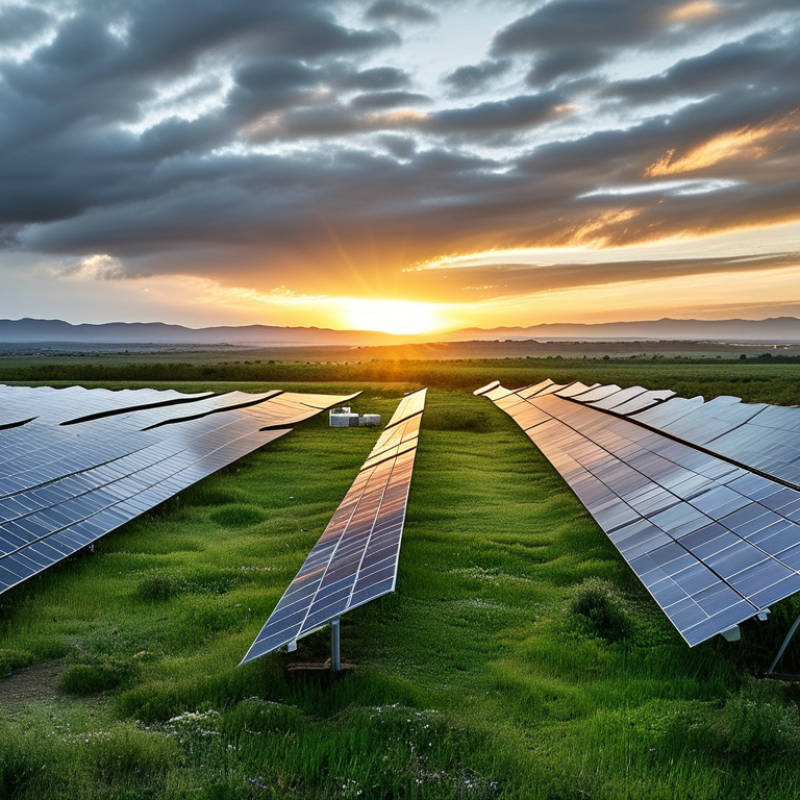
Solar panels transform sunlight into electricity using photovoltaic cells. These cells generate direct current (DC) electricity when exposed to sunlight. The efficiency of solar panels can drop on cloudy days due to reduced sunlight. However, technology has advanced to ensure they still capture some energy, even with overcast skies.
When considering solar panel functionality, it's essential to understand their design. Most panels are built to harness scattered light, not just direct sunlight. This means that, even on cloudy days, solar panels can generate power. The energy produced may not be as high, but it is still significant. It's worth noting that the actual performance varies depending on specific conditions, such as cloud thickness and type.
Cloudy weather can pose challenges to energy production, but improvements are continually made. Innovations in panel materials aim to enhance light absorption. However, one must reflect on the trade-offs. Increased efficiency often comes with higher costs. Ultimately, understanding how solar panels work even in less-than-ideal conditions helps users make informed decisions. This knowledge empowers homeowners, making solar energy a more reliable choice.
| Aspect | Description | Efficiency on Cloudy Days | Factors Affecting Performance |
|---|---|---|---|
| Photovoltaic Cells | Convert sunlight into electricity using semiconductor materials. | Can still generate energy, typically 10-25% of usual output. | Type of cloud cover, angle of installation, and efficiency of the solar panel. |
| Inverter Technology | Transforms DC electricity from panels into AC electricity for home use. | High-quality inverters can optimize performance under low light. | Inverter efficiency and setup. |
| Tilt Angle | The angle at which solar panels are installed affects sunlight exposure. | Optimal tilt maximizes exposure even on cloudy days. | Geographical location and season. |
| Energy Storage | Systems that store excess energy produced for later use. | Important for managing energy supply during low production periods. | Battery capacity and management system. |
| Maintenance | Regular cleaning and inspection of panels to ensure efficiency. | Well-maintained systems perform better, even during overcast conditions. | Weather conditions and debris accumulation. |
: Yes, they can still produce energy, about 10-25% of peak output.
The intensity of diffuse solar radiation and panel installation angle matter greatly.
Optimally tilted panels can capture more scattered light, improving output.
Clean panels absorb more light; neglecting them can reduce efficiency.
Innovations like bifacial panels and optimized inverters improve energy capture and conversion.
On sunny days, panels operate at full capacity; cloudy days may yield lower, variable outputs.
Weather conditions, cloud density, and the type of solar technology used can all affect output.
Regularly check for dirt, adjust angles seasonally, and keep the surface clean.
Energy storage solutions can balance supply, ensuring a consistent energy supply.
Yes, energy production variability and adverse weather still present significant challenges.
The article "How Do Solar Panels Work on Cloudy Days Efficiently?" explores the fundamentals of solar panel technology, explaining how these systems absorb and convert sunlight even in less than ideal conditions. It highlights that solar panels can still generate power during cloudy weather, albeit at reduced efficiency. The performance of solar panels in overcast conditions is influenced by several factors, such as the type of panels used and their orientation.
Moreover, the article discusses recent innovations in solar technology that enhance energy capture and conversion in low-light situations, helping to bridge the gap between sunny and cloudy days. By comparing energy output on sunny vs. cloudy days, the piece provides valuable insights into how do solar panels perform in cloudy weather and underscores the resilience and adaptability of solar systems.

 GAF Solar