Solar energy has witnessed a remarkable rise in popularity globally. Many ask, “why are solar panels becoming more popular?” One answer lies in their environmental benefits. As climate change becomes a pressing issue, more individuals and businesses are searching for sustainable energy solutions. Solar panels offer a clean alternative to fossil fuels. They reduce carbon footprints and contribute to healthier air quality.
Financial incentives also play a crucial role. Governments are implementing subsidies and tax credits to encourage solar adoption. This makes solar energy more affordable. People see the long-term savings on energy bills. Additionally, technological advancements have improved efficiency. Solar panels today are more effective than ever before. However, challenges remain. For some, high initial costs can be daunting. Others may face space limitations for installation.
Nevertheless, the shift towards green energy is undeniable. As awareness grows, so does the quest for sustainable solutions. Understanding why solar panels are gaining traction helps us appreciate the broader transition to a cleaner energy future.
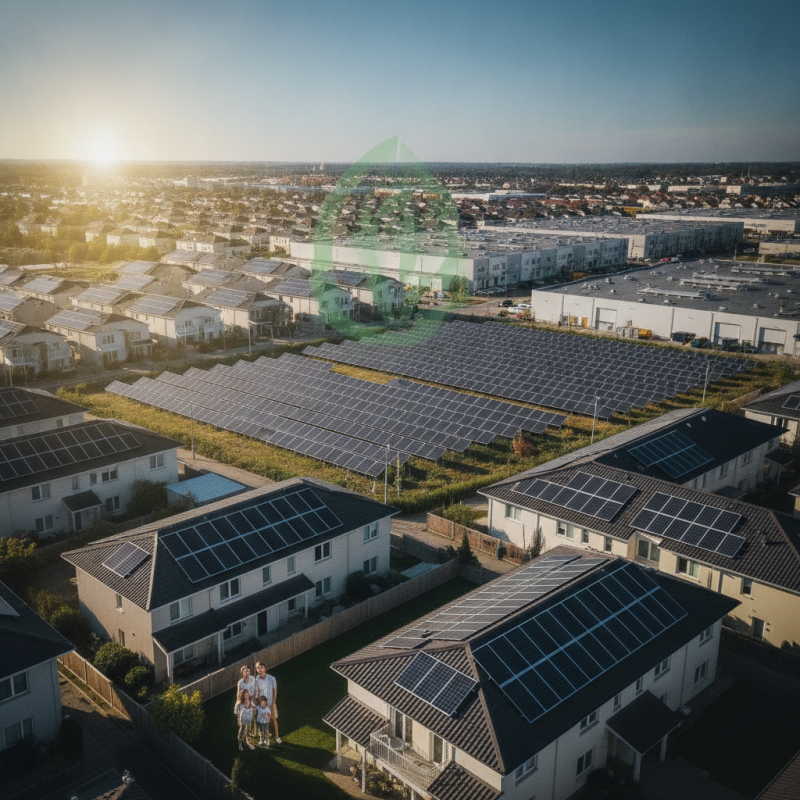
As climate change awareness grows, many turn to renewable energy. Solar panels are a popular choice. They offer a viable way to combat rising temperatures. People realize that traditional energy sources harm the planet. In response, they seek clean, sustainable alternatives.
The cost of solar technology has decreased significantly. More homeowners can now install panels on their rooftops. This shift represents a powerful movement towards a brighter future. Yet, challenges remain. Not everyone can afford upfront costs. Access to financing is limited in many areas. This discrepancy leads to questions about equity in renewable energy adoption.
Education plays a crucial role in this transition. Communities are beginning to understand the importance of sustainable practices. Workshops and seminars are becoming common. Still, misinformation can spread easily. Some may doubt the effectiveness of solar energy. Addressing these concerns is vital for broader acceptance. Concrete data and real-life examples can help change minds.
The chart above illustrates the rapid growth in solar panel capacity installed worldwide from 2010 to 2022. This increase reflects a growing awareness of climate change and the shift towards renewable energy sources as countries aim to reduce their carbon footprint and transition to sustainable energy solutions.
Solar panels are gaining traction globally, driven by their economic benefits for both households and businesses. Lower energy bills are a key advantage. Homeowners can significantly reduce their monthly expenses. In some cases, excess energy can be sold back to the grid, creating a new income stream. This not only offsets installation costs but also provides financial relief over time.
For businesses, solar energy offers a stable energy source with predictable costs. Companies can hedge against fluctuating energy prices. Additionally, investing in solar can improve brand reputation. It signals commitment to sustainability and attracts environmentally conscious consumers. However, initial setup costs can be daunting for some.
Moreover, not all locations receive optimal sunlight year-round. This inconsistency may lead some to question the long-term benefits. It’s crucial to assess local conditions and potential energy savings realistically. Despite these challenges, the potential savings and environmental impact make solar a compelling option for many.
The global shift towards renewable energy sources has made solar panels increasingly popular. Advancements in solar technology have significantly improved efficiency. According to the International Renewable Energy Agency (IRENA), the average efficiency of solar panels has risen from around 15% in 2010 to over 20% in 2023. This increase means more energy production from the same amount of sunlight.
New materials have also played a crucial role in these advancements. Perovskite solar cells, for example, can achieve higher efficiencies at a lower cost. Reports show that they can reach efficiencies of up to 28%, outperforming traditional silicon panels. This technology is still under research, but its potential is promising.
Tips: To maximize your solar panel's efficiency, consider regular cleaning and maintenance. Dust and debris can reduce energy capture. Also, check for shaded areas that may impact performance. Another factor to consider is orientation - panels facing south typically receive more sunlight. While solar technology thrives, challenges remain, such as recycling old panels and balancing energy supply with demand. Addressing these issues will be vital for sustainable growth in solar energy.
Government policies significantly drive the global shift toward solar energy. Many countries have implemented attractive incentives for individuals and businesses. For instance, tax credits and rebates are common strategies. These initiatives often reduce the upfront costs of solar installations. A report by the International Renewable Energy Agency (IRENA) found that government support can increase adoption by over 30%.
Additionally, renewable energy targets play a key role. Some nations aim for 100% clean energy by 2050. This creates urgency in adopting solar technology. Countries like Germany and Spain have pioneered ambitious policies that promote solar initiatives. These policies align with climate goals and encourage investment in solar infrastructure.
Despite these advancements, challenges persist. Not all areas benefit equally from policies. Some regions lack effective incentives, leading to slower adoption rates. Equity in access to solar technology remains a concern. Policymakers need to address these gaps to ensure a fair transition to renewable energy. Ultimately, effective government policies can foster solar growth, but ongoing assessments are essential.
Solar panels are rapidly gaining traction worldwide. Various countries are adopting this sustainable energy source to combat climate change. For instance, Germany has implemented extensive solar farms that significantly reduce carbon emissions. In sunny regions, these panels maximize energy output while providing local jobs.
In the United States, many states promote incentives for solar energy. This move boosts adoption among homeowners. However, the initial installation cost can be a barrier for some. Various community programs aim to address this challenge. They seek to make solar power accessible to lower-income households.
Despite progress, the solar panel industry faces hurdles. Manufacturing relies on materials that have environmental impacts. Disposal of old panels is another concern. As technology evolves, solutions to these issues are essential for sustainable growth. Continued research and innovation remain crucial for solar energy's future.
: The main reason is the growing awareness of climate change and the need for sustainable practices.
Solar panels offer a viable way to combat rising temperatures and reduce carbon emissions.
One major barrier is the upfront cost of solar installations, which many cannot afford.
Education helps communities understand sustainable practices, but misinformation can hinder acceptance.
Government policies offer incentives, such as tax credits, which can significantly reduce installation costs.
Yes, not all regions benefit equally, leading to slower adoption rates in some areas.
Community programs aim to make solar power more accessible, especially for lower-income households.
The industry faces challenges related to material sourcing and the disposal of old panels.
Providing concrete data and real-life examples can help change public perceptions and doubts.
Continued research and innovation are crucial for addressing current challenges in the solar industry.
The surge in popularity of solar panels around the world can be attributed to several key factors. Firstly, there is a growing awareness of climate change and the urgent need for renewable energy sources. As individuals and organizations recognize the environmental impact of fossil fuels, solar energy emerges as a sustainable alternative. Additionally, the economic benefits of solar energy, including reduced electricity bills and increased energy independence, appeal to both households and businesses.
Advancements in solar technology have further enhanced efficiency and affordability, making solar installations more accessible. Government policies and incentives have also played a crucial role, promoting the adoption of solar energy through subsidies and tax benefits. Through various global trends and case studies, it is evident that these combined factors address the question of why are solar panels becoming more popular, leading to a significant increase in their implementation across different regions.

GAF Solar