In 2026, remote communities still face a basic energy challenge: getting reliable electricity to homes, clinics, farms, and communication sites. Extending utility lines across mountains, islands, forests, or open deserts can be slow and costly. Solar panels offer another route. They can turn sunlight into power close to where it is needed, reducing dependence on long fuel deliveries and distant infrastructure. The answer to why solar panels are suitable for remote locations often comes down to practical details: a roof or cleared site, strong sunlight, and a system designed for local demand.
Energy-policy expert Hermann Scheer wrote, “The use of solar energy has not been opened up because the oil industry does not own the sun.” His observation captures solar power’s widely available resource, though sunlight alone does not guarantee dependable electricity. Remote installations need suitable batteries, inverters, maintenance plans, and equipment sized for cloudy periods and seasonal changes. A small clinic, for example, may need stored power for vaccine refrigeration after sunset. A communications tower may require steady output through several overcast days. These systems can be valuable, but they are not effortless. Batteries age, panels collect dust, and repairs may take longer when roads are poor. A careful comparison of site conditions, costs, and backup options makes the case more credible—and more useful to the people who rely on the system.
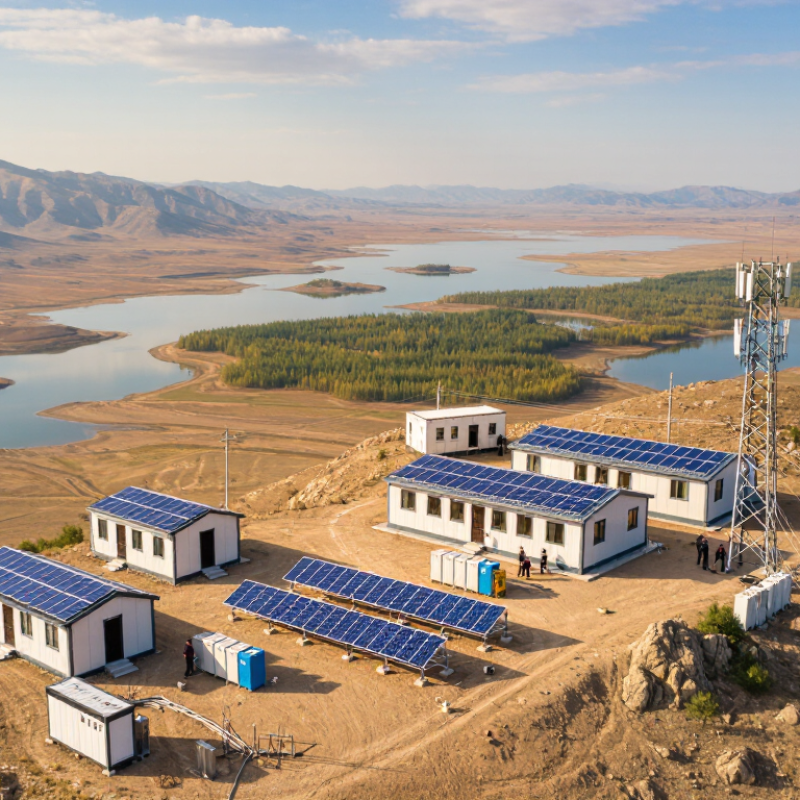
Remote communities face more than occasional power cuts. Many depend on diesel deliveries, which become costly when roads are muddy, ports are distant, or winter weather blocks access. Fuel storage also needs careful handling, while generators require regular servicing. When a part fails, a clinic’s vaccine refrigerator or a household water pump may sit idle. That is not an abstract inconvenience.
The World Bank, IEA, and partner agencies reported in Tracking SDG 7: The Energy Progress Report 2024 that about 685 million people lacked electricity in 2022. The figure describes a global access gap, not remote locations alone, but it shows the scale of unreliable or unavailable supply. Solar panels can produce power near where it is used, reducing exposure to fuel transport delays. Yet sunlight varies by season, and panels alone cannot guarantee power after dark. Battery storage, efficient appliances, and a backup plan matter. The IRENA report Renewable Power Generation Costs in 2023 found that global average utility-scale solar electricity costs had fallen to about USD 0.044 per kilowatt-hour. That benchmark is not a quote for an isolated home; transport, batteries, and installation can change the economics sharply. A design that looks affordable on paper may still miss local needs. It happens. A cold-season load estimate, even an imperfect one, is better than sizing a system by guesswork.
Solar panels convert sunlight into direct current electricity. A charge controller manages battery charging. An inverter converts stored power into alternating current for appliances. No grid required.
A properly sized system can power lights, refrigeration, routers, pumps, and communication equipment. Each appliance has different energy demands. A refrigerator may run intermittently, while a pump can create a sharp power spike.
List every appliance, its power rating, and daily operating time. Include winter sunlight, shade, battery losses, and cloudy periods. A pump, router, and refrigerator need separate estimates. Guessing can become expensive.
Yes, but production may drop significantly. Extra panels and sufficient battery storage can provide more resilience. Snow, shade, and short winter days still matter. Clouds still matter.
The battery supplies stored direct current to the inverter. The inverter then powers common alternating-current appliances. Nighttime use depends on battery capacity and household habits. Habits matter.
Solar runs quietly and avoids regular fuel deliveries. It has fewer mechanical parts and usually needs less routine servicing. Generators can provide strong power on demand, but fuel transport, ventilation, and maintenance add practical burdens.
Yes. Panels may need inspection after storms or heavy snow. Batteries, wiring, and system readings should be checked regularly. Monitoring helps reveal unusual energy loss. Perfect maintenance is unlikely.
Wind can help exposed coastal or mountain locations with reliable airflow. Micro-hydropower can provide continuous energy where water flow remains steady year-round. Suitable sites are uncommon, and construction may affect surrounding land.
Panel prices do not show the complete cost. Batteries, wiring, installation, monitoring, and repairs add expenses. Oversizing panels wastes money, while undersizing batteries causes daily frustration. The cheapest design is not always the calmest one.
Remote locations often face unreliable grid access, high fuel delivery costs, and difficult maintenance conditions. Solar power systems solve these challenges by converting sunlight into electricity through panels, storing excess energy in batteries, and distributing power through an inverter for everyday use. This off-grid setup can support lighting, communication devices, water pumps, monitoring equipment, and small appliances without depending on distant power networks.
In 2026, improved energy efficiency, smarter battery management, and more durable equipment make solar systems increasingly practical for isolated sites. The key factors when choosing equipment include sunlight availability, expected energy demand, battery capacity, weather resistance, and ease of installation. Compared with diesel generators, solar power produces no fuel emissions during operation, requires less routine maintenance, and avoids regular fuel transportation. These benefits explain why solar panels are suitable for remote locations, especially where long-term reliability, lower operating costs, and environmental responsibility are important.

 GAF Solar