Explore our industrial-grade, certified PV modules and solar panels optimized for extreme durability and maximal power generation.
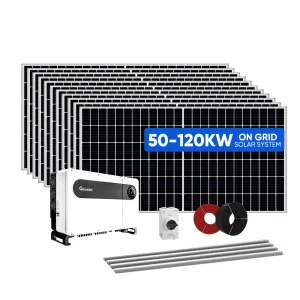
In the global race toward carbon neutrality, commercial and utility-scale solar developers require solar module architectures that balance maximum conversion efficiencies, long-term operational resilience, and stringent regional certification criteria. The global demand for certified photovoltaic modules has catalyzed structural improvements across key manufacturing regions, positioning China, and specifically Ningbo's industrial cluster, as the premier hub for solar panel engineering and exportation. Among these tier-level suppliers, Ningbo GAF Solar Co., Ltd. stands as a key manufacturer offering high-efficiency monocrystalline, bifacial, and customizable solar module designs built to meet global compliance regulations.
This whitepaper dissects the strategic factors global EPC (Engineering, Procurement, and Construction) companies and solar energy developers must evaluate when selecting manufacturing partners, highlighting technological trends, compliance criteria, local support structures, and the vertical integration of supply chain elements.
For any developer importing equipment into the European Economic Area (EEA), the CE (Conformité Européenne) marking is not merely a declaration of conformance; it is a critical legal mandate proving that the equipment complies with European safety, health, and environmental protection guidelines. When auditing solar panel factories, understanding the nuances of these standards is essential:
Ensures electrical systems, specifically high-voltage arrays, operate within safe design limits, protecting technicians, maintenance crews, and structural assets from electrical faults and insulation breakdown.
Confirms that the integrated solar thermal or PV systems (including microinverters and charge controllers) do not generate electromagnetic interference that disrupts adjacent wireless networks and communications.
Fundamental standards for PV module qualification and safety tests, detailing performance parameters under thermal cycling, humidity-freeze testing, mechanical load verification, and electrical shock risks.
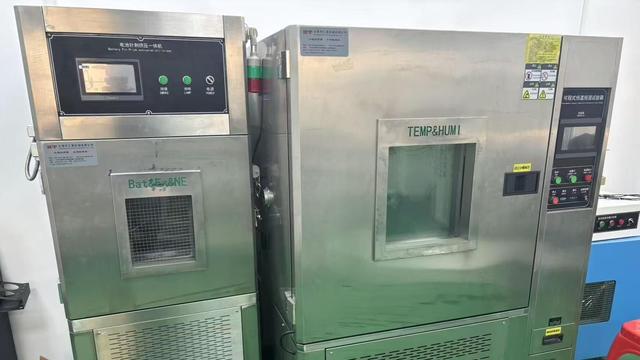
A CE certified module from a reputable factory guarantees that the panels have undergone rigorous test configurations. The certification protects the utility buyer from critical system failures such as PID (Potential Induced Degradation), micro-cracks, and localized hotspot failures, protecting their financial investment over a typical 25 to 30-year operational life.
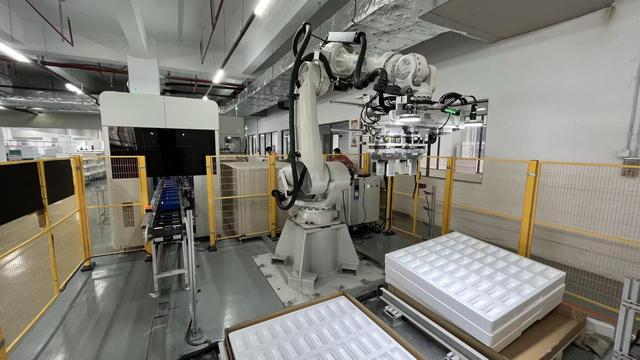
The concentration of solar silicon processing, wafer production, cell optimization, and module encapsulation inside China provides unmatched cost and engineering advantages. Regions like Ningbo have established fully integrated industrial clusters where raw materials, glass, structural frames, and logistics portals operate within close proximity.
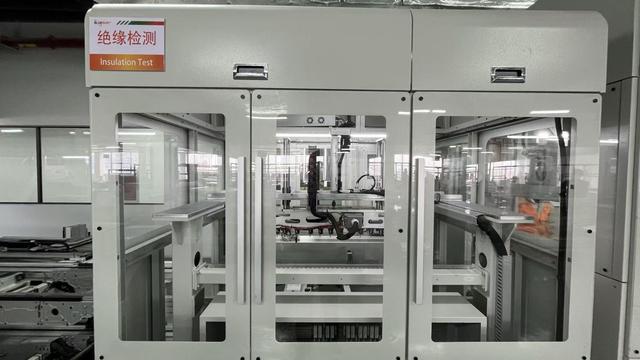
This geographic concentration reduces transportation costs, shortens lead times, and allows for rapid deployment of new technical developments. With advanced automated assembly lines, companies like Ningbo GAF Solar Co., Ltd. can implement real-time quality control checks, such as dual EL (Electroluminescence) testing, to identify micro-defects before modules leave the factory.
Additionally, direct access to the Port of Ningbo-Zhoushan—the world's busiest port by cargo tonnage—simplifies shipping logistics. This ensures reliable container availability, reduces domestic transport risks, and ensures on-time delivery to major European, Middle Eastern, and American destinations.
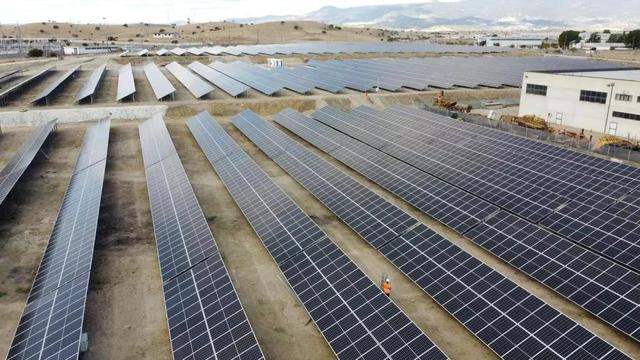
The solar market is transitioning from traditional P-type PERC technology to N-type architectures, offering higher efficiency thresholds and minimal degradation curves.
N-type TOPcon (Tunnel Oxide Passivated Contact) cells minimize surface recombination, boosting module efficiency to 23.8% and higher. These modules offer lower temperature coefficients, generating more energy in high-temperature regions.
By capturing reflected albedo light on the rear side, double-glass bifacial panels increase energy yields by up to 25% depending on the surface medium (e.g., sand, concrete, or snow), driving down Levelized Cost of Energy (LCOE).
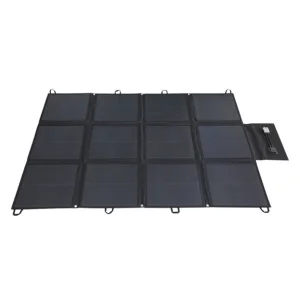
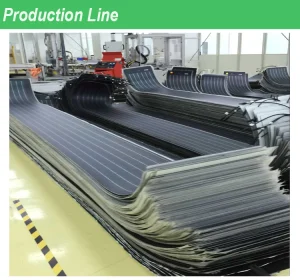
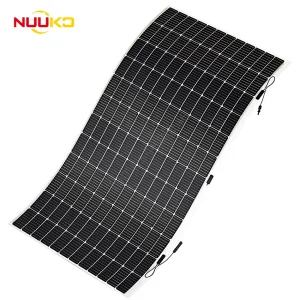
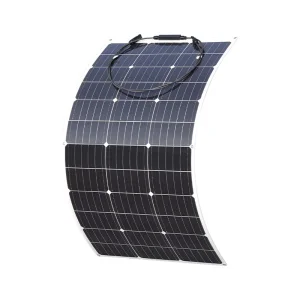
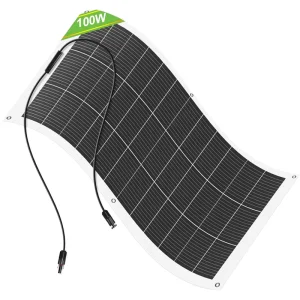
For load-constrained roofs or curved structures (such as RVs, yachts, and TPO membrane roofs), flexible thin-film modules offer easy peel-and-stick installation without requiring structural reinforcements.
Purchasing components from Chinese exporters requires clear communication channels, comprehensive logistics tracking, and reliable after-sales engineering support. Ningbo GAF Solar Co., Ltd. addresses these challenges by offering localized technical advisory and warranty services in primary markets, including Europe and the Middle East. Our logistics support manages transit clearances, customs duties (such as anti-dumping checks in the EU), and delivers directly to construction sites.
Additionally, our comprehensive warranties include a 12-to-15-year product material warranty alongside a 25-to-30-year linear performance warranty. This warranty structure is backed by international reinsurers, giving project developers and commercial building owners confidence that their capital investments are fully protected over their operational lifespan.
Tailoring aluminum frames, junction box placements, cable lengths, and custom branding labels to fit specific client system configurations.
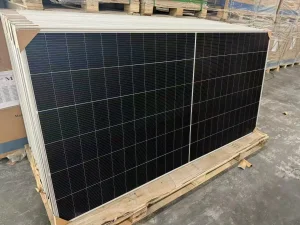
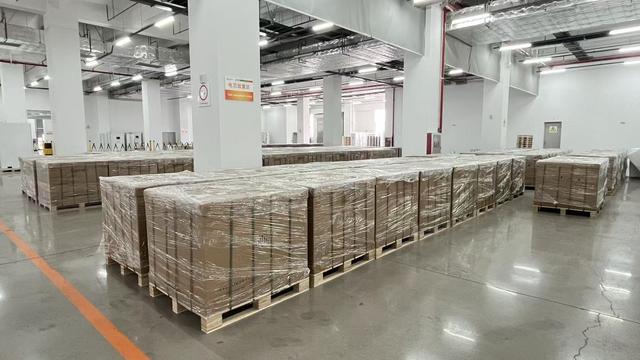
Optimizing pallet packaging and container loading density to minimize ocean freight costs and prevent panel damage during transport.
Providing complete data sheets, installation manuals, CE/TUV certificates, and PVsyst PAN files to streamline the local engineering design process.
Ningbo GAF Solar Co., Ltd. is a professional Solar Panel Manufacturer | Monocrystalline, Bifacial & High Efficiency PV Modules dedicated to providing reliable solar energy solutions for residential, commercial, industrial, and utility-scale applications worldwide. With a strong commitment to renewable energy innovation, the company delivers advanced photovoltaic products designed to maximize energy generation, efficiency, and long-term performance.
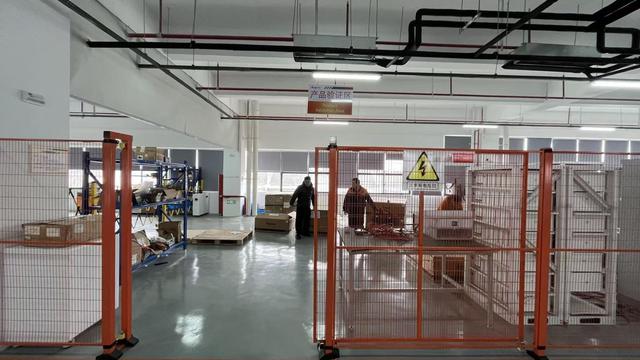
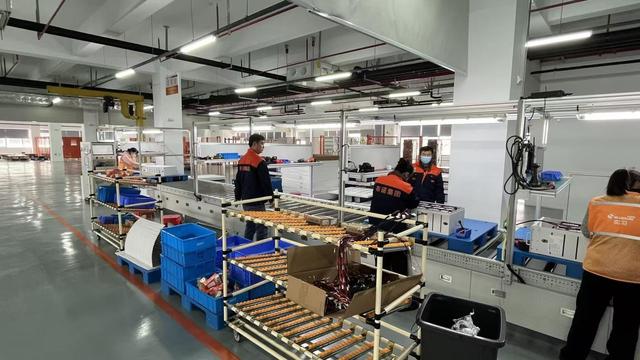
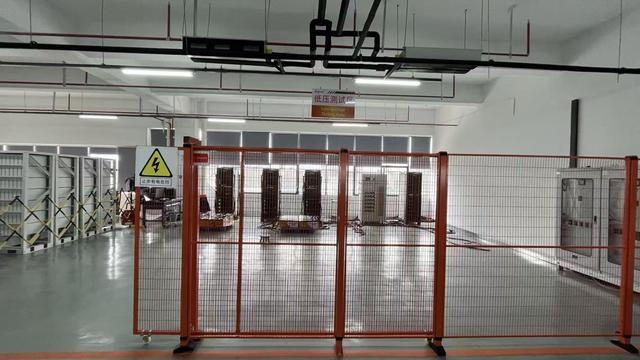
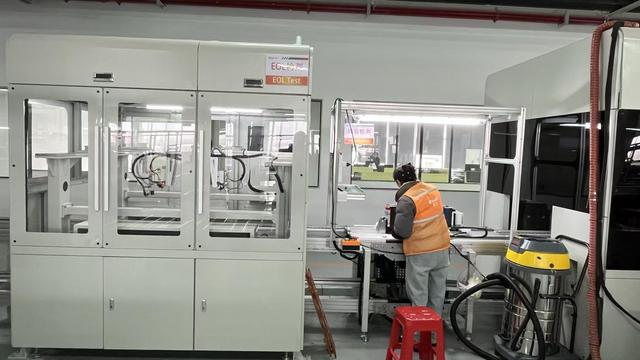
Based in Ningbo, China, GAF Solar operates modern manufacturing facilities equipped with advanced production technologies, automated assembly lines, and comprehensive quality control systems. The company specializes in the development and production of monocrystalline solar panels, bifacial solar modules, high-efficiency photovoltaic panels, rooftop solar solutions, commercial solar systems, industrial solar installations, and customized PV energy projects.
GAF Solar focuses on technological innovation and product reliability. By utilizing premium-grade solar cells, durable materials, and precision manufacturing processes, the company produces solar modules capable of delivering excellent power output, superior weather resistance, and long operational lifespans. Every product undergoes rigorous testing and quality inspections to ensure compliance with international standards and the demanding requirements of global energy markets.
In addition to manufacturing high-performance solar panels, GAF Solar offers comprehensive OEM and ODM services, supporting distributors, EPC contractors, solar developers, energy solution providers, and private-label brands. The company provides flexible customization options, professional technical support, and efficient project coordination from design and production to shipment and after-sales service.
Serving customers across North America, Europe, Southeast Asia, the Middle East, Africa, and Latin America, Ningbo GAF Solar Co., Ltd. has established a reputation for quality, reliability, and customer-focused service. Through continuous innovation and sustainable manufacturing practices, the company remains committed to accelerating the global transition toward clean, renewable energy and creating long-term value for partners around the world.
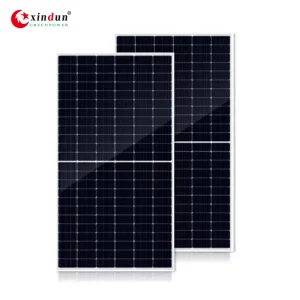
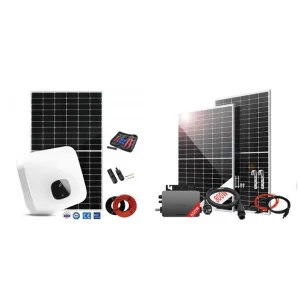
From flexible modules for architectural integration to comprehensive commercial arrays, find the right equipment to scale your project.
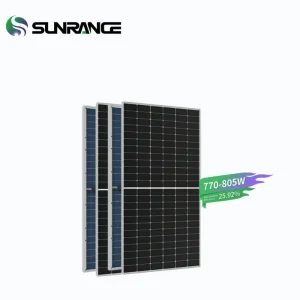

Common questions answered by our engineering and logistics teams to help streamline your B2B supply chain decisions.
 GAF Solar