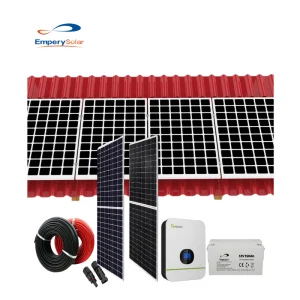
The global transition towards decentralized renewable energy is accelerating at an unprecedented pace. Commercial and Industrial (C&I) entities are no longer viewing solar integration merely as an environmental statement, but as a critical economic imperative. Rising grid electricity tariffs, carbon tax frameworks (such as the EU's Carbon Border Adjustment Mechanism - CBAM), and corporate ESG mandates are driving global heavy industries, logistics hubs, and manufacturing facilities to seek reliable industrial solar partners.
As standard grid-dependent systems become more susceptible to pricing volatility and generation deficits, industrial-scale high-output photovoltaic arrays provide long-term operational autonomy. By utilizing advanced architectures like N-type Heterojunction (HJT) and TOPCon technologies, commercial installations can achieve Levelized Cost of Energy (LCOE) figures far below traditional fossil-fuel energy costs. Choosing a reliable manufacturer and exporter from China's premier clean energy clusters guarantees that modern enterprises receive the durability, warranty support, and technical expertise required to sustain decadal energy strategies.
Ningbo GAF Solar Co., Ltd. stands at the intersection of this global revolution. Specializing in advanced monocrystalline, bifacial, and high-efficiency PV modules, GAF Solar translates advanced materials science into scalable, field-proven industrial solar products. From microgrids in remote regions to massive multi-megawatt factory rooftops, our engineering solutions are optimized for maximum power density and environmental durability.
Modern industrial solar architectures require precision engineering to maximize long-term yield while minimizing the Balance of System (BOS) costs. Understanding the technical configurations is essential for EPC contractors and utility developers when designing future-proof installations.
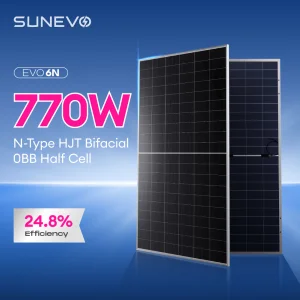
Heterojunction (HJT) cells combine the advantages of crystalline silicon with thin-film silicon layers, reducing recombination losses. The 0BB (Zero Busbar) pattern minimizes shading losses on the front surface, lowering silver consumption while boosting current collection efficiency to a verified 24.8%.
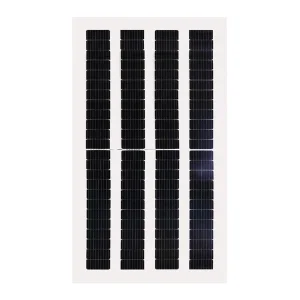
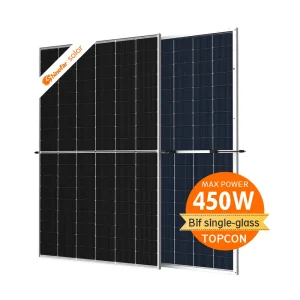
By capturing reflected light from the ground (albedo effect), dual-glass bifacial panels generate up to 10% to 30% more power compared to traditional monofacial panels. This is highly suitable for flat industrial roofs, ground mounts, and snowy or sandy terrains.
Building Integrated Photovoltaics (BIPV) merge energy generation directly into building envelopes. Innovations like N-Type Solar Roof Tiles act as both weatherproofing shingles and highly efficient monocrystalline energy generators, optimizing modern urban real estate assets.
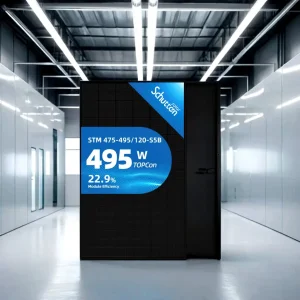
The industry's migration from standard P-type PERC structures to N-type TOPCon and HJT is driven by physical performance limits. N-type substrates feature zero Light Induced Degradation (LID) and an ultra-low temperature coefficient (-0.26%/°C for HJT compared to -0.35%/°C for PERC). Looking forward, the integration of HJT with Perovskite thin-film in tandem configurations is projected to push industrial module efficiencies beyond 28% in the coming years, drastically reducing the required surface footprint for industrial scale installations.
China is the global leader in photovoltaic supply chains, accounting for over 80% of manufacturing capacity at every stage—from polysilicon purification and ingot pulling to wafer slicing, cell fabrication, and final module assembly. This comprehensive integration creates a secure and highly optimized supply chain that protects international buyers from sudden price fluctuations and lead-time delays.
Ningbo, as one of China's most advanced coastal manufacturing clusters, offers geographical and logistical advantages. Located adjacent to the Ningbo-Zhoushan Port—consistently ranked as the world's busiest port by cargo tonnage—GAF Solar ensures highly efficient international logistics. Having raw material sources, processing plants, structural framework builders, and deepwater shipping terminals in close proximity dramatically minimizes inland freight costs and carbon footprints during manufacturing.
This localized supply chain cluster enables GAF Solar to offer cost-efficient, high-performance OEM and ODM customization. Whether developers require specific glass thicknesses, customized anodized aluminum framing, or integrated smart junction boxes with rapid-shutdown capabilities, our production lines can adapt dynamically to meet strict regional engineering specifications without sacrificing throughput.
Industrial solar arrays must be engineered to withstand diverse and harsh environmental conditions. Off-the-shelf, standard modules often fail prematurely when subjected to localized stresses. We customize and supply specific technology pathways tailored to distinct real-world installations:
Coastal and maritime installations are prone to salt-spray corrosion and high relative humidity, which accelerate Potential Induced Degradation (PID). Our 500W Anti-Corrosion Commercial Panels utilize double-glass encapsulation and specialized POE (Polyolefin Elastomer) film, resisting chemical breakdown and moisture ingress.
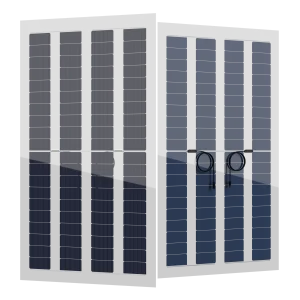
Combining agricultural growth with clean energy generation requires optimized light transmission. Our 320W Transparent Bifacial Solar Panels feature high light transmittance glass, allowing essential photosynthetic active radiation (PAR) to reach the crops below while converting unused spectra into electrical power.
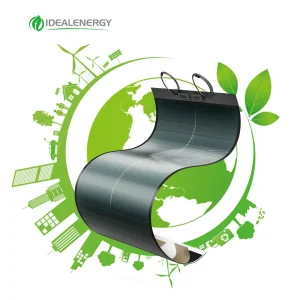
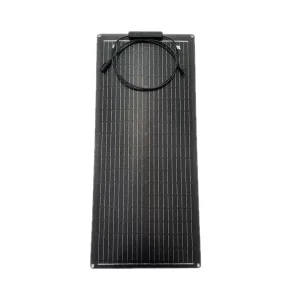
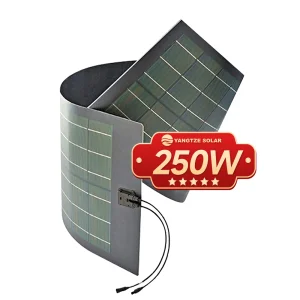
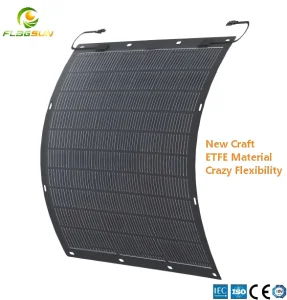
Old industrial buildings and metal-clad warehouses often have load-bearing limits that cannot support standard heavy glass modules. For these roofs, we install ETFE-Sticker Thin-Film Flexible Panels (50W - 500W). They weigh under 4kg/m² and bond directly to the roof profile, eliminating structural modifications and roof penetrations.
Ningbo GAF Solar Co., Ltd. is a professional Solar Panel Manufacturer | Monocrystalline, Bifacial & High Efficiency PV Modules dedicated to providing reliable solar energy solutions for residential, commercial, industrial, and utility-scale applications worldwide. With a strong commitment to renewable energy innovation, the company delivers advanced photovoltaic products designed to maximize energy generation, efficiency, and long-term performance.
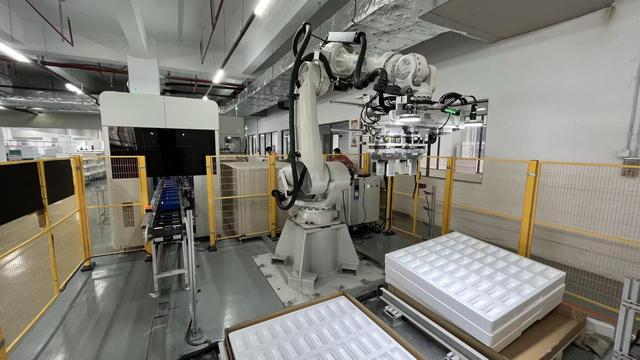
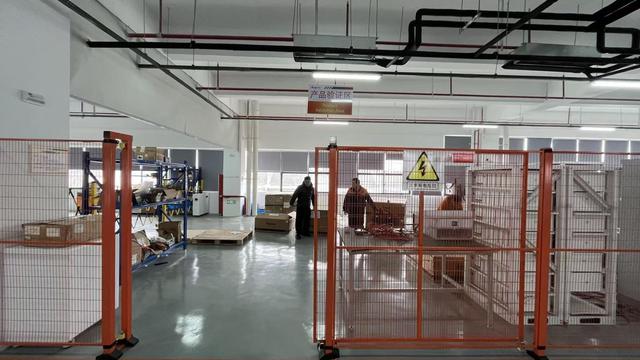
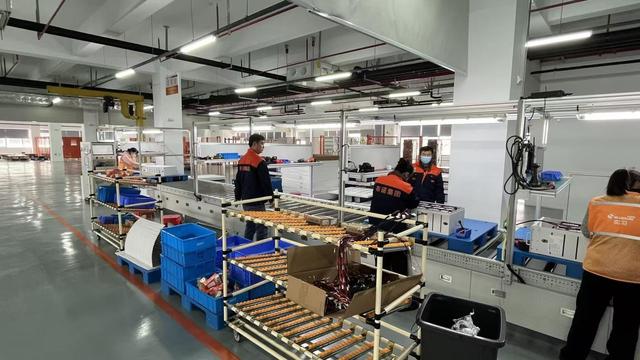
Based in Ningbo, China, GAF Solar operates modern manufacturing facilities equipped with advanced production technologies, automated assembly lines, and comprehensive quality control systems. The company specializes in the development and production of monocrystalline solar panels, bifacial solar modules, high-efficiency photovoltaic panels, rooftop solar solutions, commercial solar systems, industrial solar installations, and customized PV energy projects.
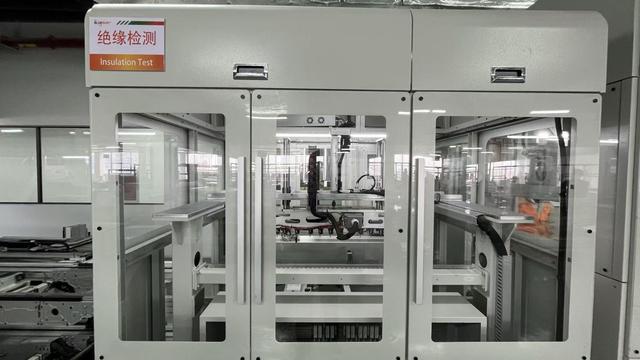
GAF Solar focuses on technological innovation and product reliability. By utilizing premium-grade solar cells, durable materials, and precision manufacturing processes, the company produces solar modules capable of delivering excellent power output, superior weather resistance, and long operational lifespans. Every product undergoes rigorous testing and quality inspections to ensure compliance with international standards and the demanding requirements of global energy markets.
In addition to manufacturing high-performance solar panels, GAF Solar offers comprehensive OEM and ODM services, supporting distributors, EPC contractors, solar developers, energy solution providers, and private-label brands. The company provides flexible customization options, professional technical support, and efficient project coordination from design and production to shipment and after-sales service.
Serving customers across North America, Europe, Southeast Asia, the Middle East, Africa, and Latin America, Ningbo GAF Solar Co., Ltd. has established a reputation for quality, reliability, and customer-focused service. Through continuous innovation and sustainable manufacturing practices, the company remains committed to accelerating the global transition toward clean, renewable energy and creating long-term value for partners around the world.
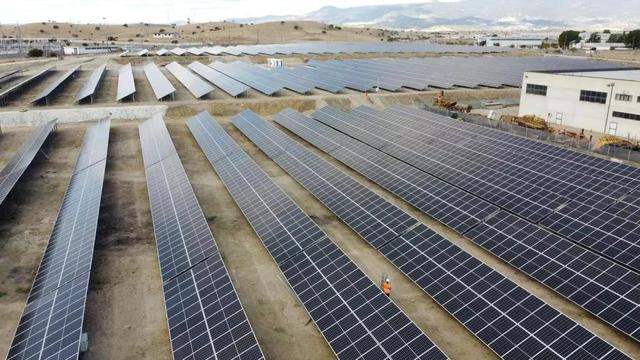
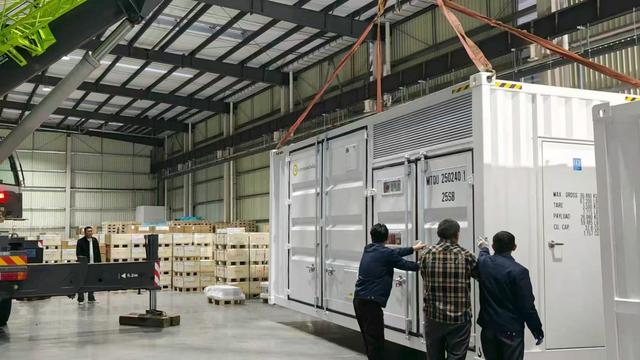
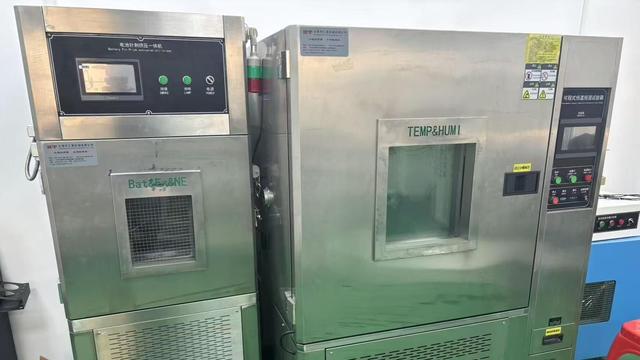
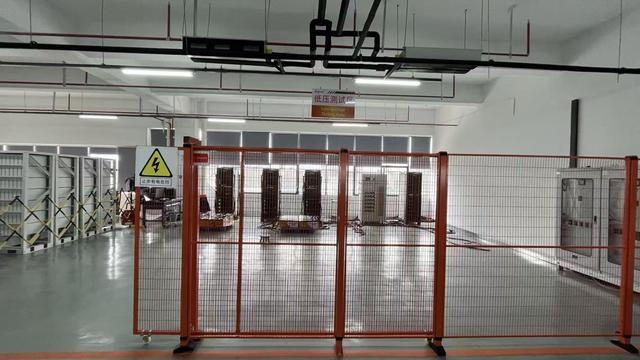
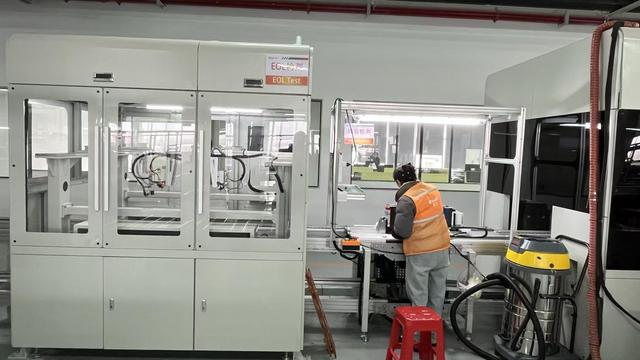
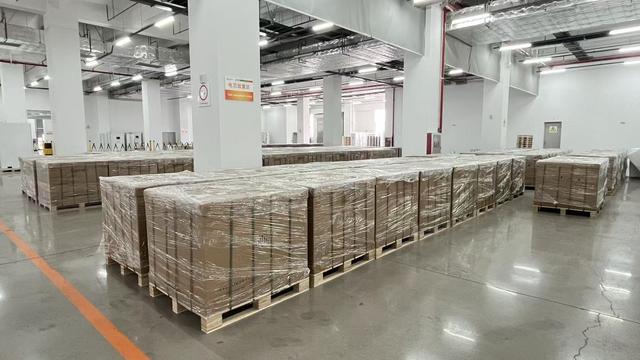
To qualify for large-scale utility and industrial deployments, photovoltaic components must hold certifications from accredited global testing labs. Ningbo GAF Solar Co., Ltd. maintains a strict compliance register, ensuring all modules meet design, safety, and operational standards required by municipal grids and developers worldwide:
 GAF Solar