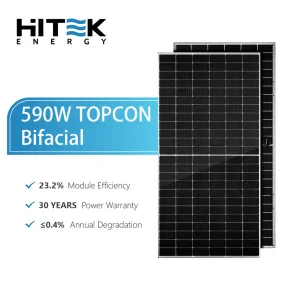
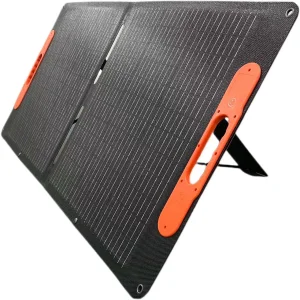
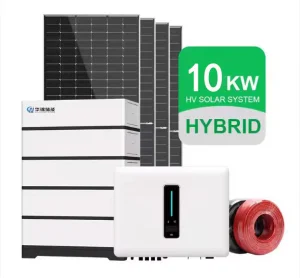
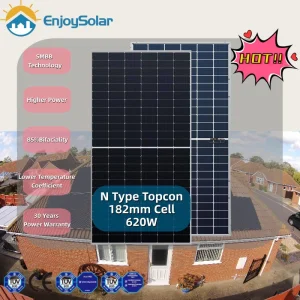
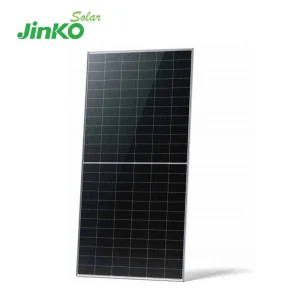
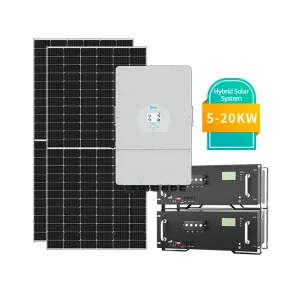
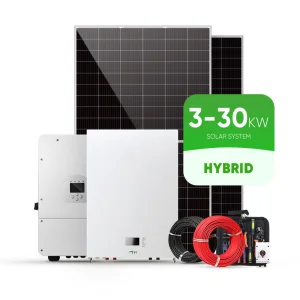
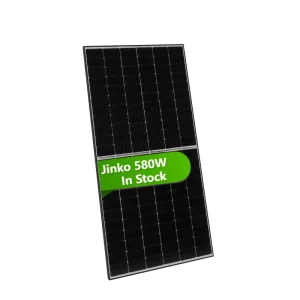
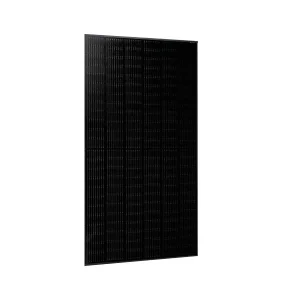
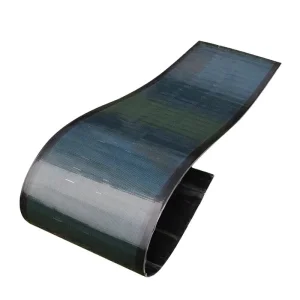
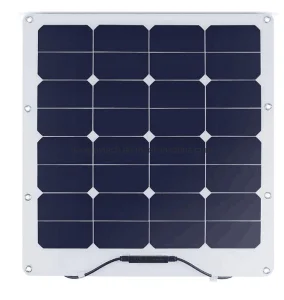
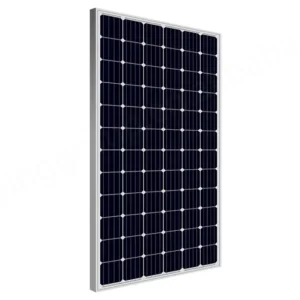
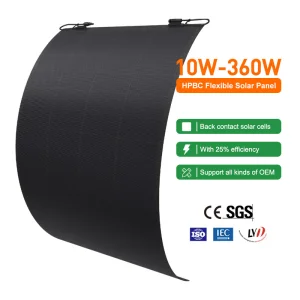
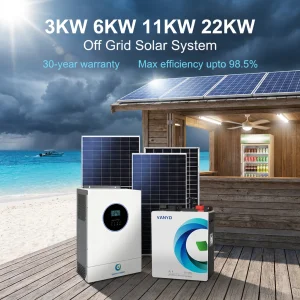
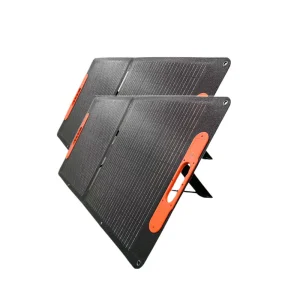
Ningbo GAF Solar Co., Ltd. is a professional Solar Panel Manufacturer | Monocrystalline, Bifacial & High Efficiency PV Modules dedicated to providing reliable solar energy solutions for residential, commercial, industrial, and utility-scale applications worldwide. With a strong commitment to renewable energy innovation, the company delivers advanced photovoltaic products designed to maximize energy generation, efficiency, and long-term performance.
Based in Ningbo, China, GAF Solar operates modern manufacturing facilities equipped with advanced production technologies, automated assembly lines, and comprehensive quality control systems. The company specializes in the development and production of monocrystalline solar panels, bifacial solar modules, high-efficiency photovoltaic panels, rooftop solar solutions, commercial solar systems, industrial solar installations, and customized PV energy projects.
GAF Solar focuses on technological innovation and product reliability. By utilizing premium-grade solar cells, durable materials, and precision manufacturing processes, the company produces solar modules capable of delivering excellent power output, superior weather resistance, and long operational lifespans. Every product undergoes rigorous testing and quality inspections to ensure compliance with international standards and the demanding requirements of global energy markets.
Accelerating deployment via modular structural components, tracker integrations, and materials science innovation to minimize Levelized Cost of Energy (LCOE).
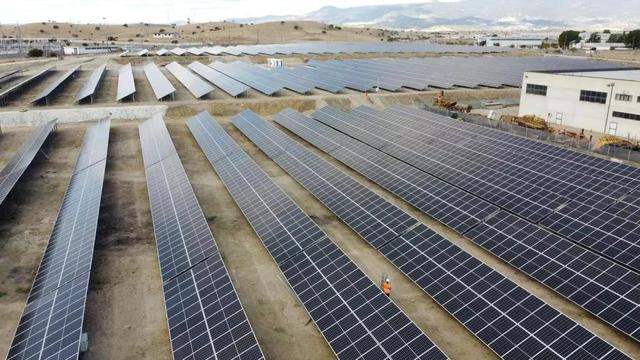
Ground-mounted installations are increasingly adopting bifacial TOPCon and HJT solar panels. To leverage the rear-side energy yield, racking and mounting systems must elevate height and optimize pitch angles. This minimizes structural shadow casting, ensuring rear-side output remains uninterrupted, boosting total generation by up to 25% depending on local albedo conditions.
Traditional fixed-tilt systems are sharing ground space with smart, single-axis tracker frameworks. Modern OEM solutions focus on structural tolerances, self-lubricating joint bearings, and mechanical torque tubes that integrate seamlessly with predictive AI-backed software. This software dynamically shifts panels to avoid shading during low-light hours and locks them flat during high-wind incidents.
Utility-scale projects face aggressive environments, including humid marine zones and dry desert soils. Raw steel parts are being replaced by high-performance Zinc-Aluminum-Magnesium (ZAM) coatings. These coatings provide self-healing protection against cut edges, ensuring structural integrity for up to 30 years and significantly reducing operational maintenance expenses (OPEX).
EPC contractors and project developers expect predictable timelines, custom mechanical designs, and comprehensive document compliance to mitigate long-term investment risks.
Procuring ground-mounted mounting structures requires balancing capital costs with structural safety. Global procurement departments focus on:
Large-scale solar investments depend heavily on supply chain stability. OEM manufacturers must handle transport logistics, optimize ocean container utilization, and meet localized content rules (such as IRA requirements in the US or AD/CVD policies in the EU).
By using modular framing and nested packing methods, shipping volume is minimized, leading to direct freight savings of up to 15%. Direct factory shipments help developers bypass intermediaries, keeping projects on track and avoiding expensive construction delays.
A look at the engineered options GAF Solar offers to meet site-specific soil dynamics and localized climate loads.
| Foundation Type | Geological Application | Primary Structure Material | Max Wind Load Survival | Snow Load Threshold |
|---|---|---|---|---|
| Ramming Pile (C / H Post) | Cohesive soils, sandy terrain, medium gravel | Q235B / Q355B Steel (Hot-Dip Galvanized) | Up to 60 m/s | Up to 1.6 KN/㎡ |
| Ground Screw Anchorage | Cohesionless soil, high water table, clay | Q235B Steel, HDG coated (average 85μm) | Up to 55 m/s | Up to 1.4 KN/㎡ |
| Concrete Ballasted Base | Rocky terrains, high-risk landfills, brownfields | Anodized Aluminum AL6005-T5 & SUS304 | Up to 50 m/s | Up to 1.2 KN/㎡ |
| Multi-Row Shared Drive | Flat farming lands, rolling topography | High-tensile structural steel & ZAM alloy | Up to 60 m/s | Up to 1.5 KN/㎡ |
From custom conceptual drawings to high-volume manufacturing, GAF Solar provides end-to-end support for custom project specifications.
Evaluating topography, wind loads, snow conditions, and soil data to establish structural parameters.
Creating detailed design models using AutoCAD and SolidWorks to run simulated structural stress tests.
Precision prototyping to verify fitment, ease of assembly, and tolerance ranges before mass production.
Roll-forming, punching, cutting, and hot-dip galvanizing under strict quality control standards.
In addition to manufacturing high-performance solar panels, GAF Solar offers comprehensive OEM and ODM services, supporting distributors, EPC contractors, solar developers, energy solution providers, and private-label brands. The company provides flexible customization options, professional technical support, and efficient project coordination from design and production to shipment and after-sales service.
Serving customers across North America, Europe, Southeast Asia, the Middle East, Africa, and Latin America, Ningbo GAF Solar Co., Ltd. has established a reputation for quality, reliability, and customer-focused service. Through continuous innovation and sustainable manufacturing practices, the company remains committed to accelerating the global transition toward clean, renewable energy and creating long-term value for partners around the world.
How we ensure compliance with localized building codes and structural requirements around the world.
Every structural layout engineered by GAF Solar aligns with local building and wind code frameworks:
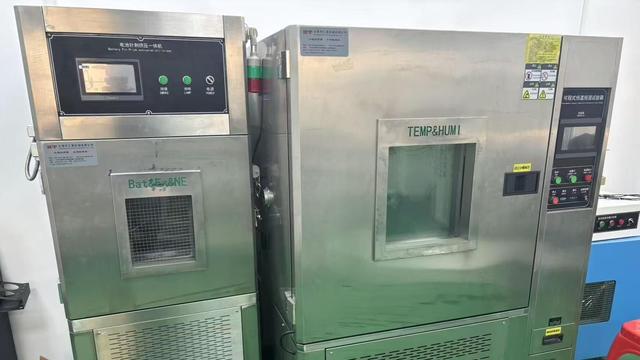
To back our long-term structural warranties, our components undergo extensive environmental testing:
Positioning our products for the next generation of solar racking, tracker innovations, and materials engineering.
Modifying racking load ratings and dynamic calculations to support larger PV formats, including 210mm wafer cell architectures, while maintaining standard weight targets.
Partnering with motor and controller brands to provide pre-engineered, plug-and-play tracker kits that combine structurally sound frames with dynamic movement controllers.
Integrating green, low-emission steel and recycled aluminum alloys into our production lines to meet the strict carbon footprint limits set by utility buyers.
Answers to common structural, logistical, and customization questions about our ground-mounted PV systems.
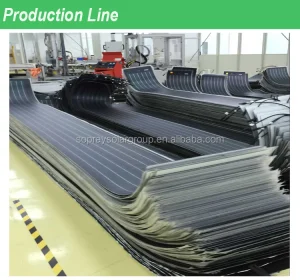
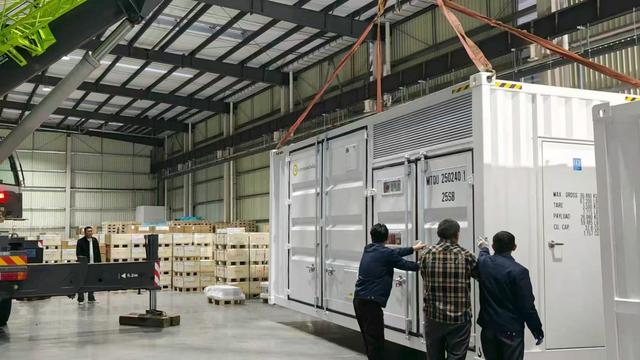
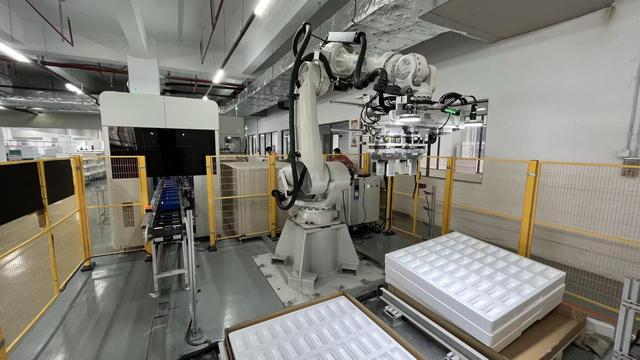
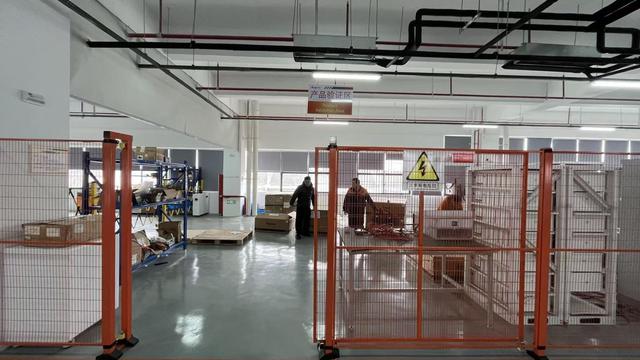
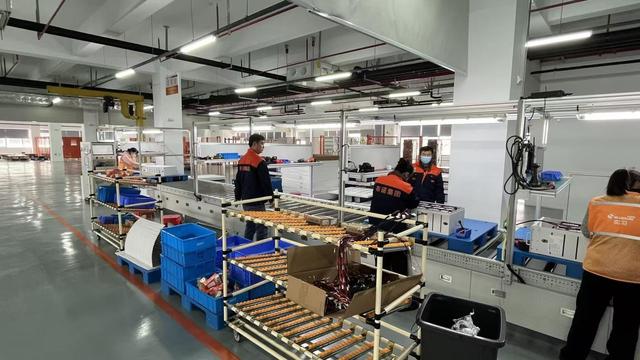
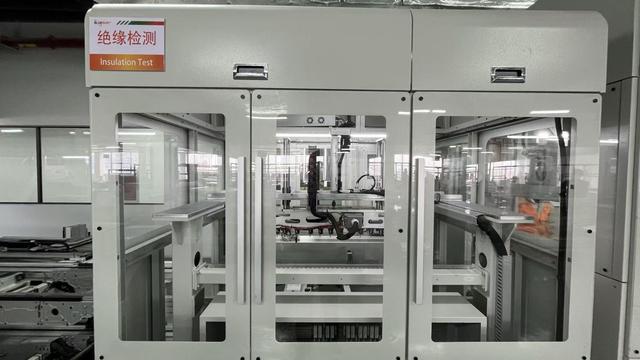
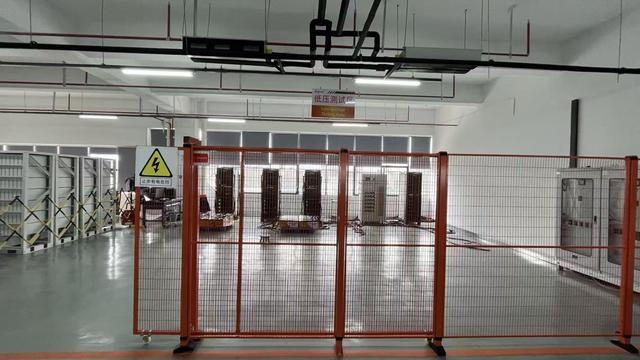
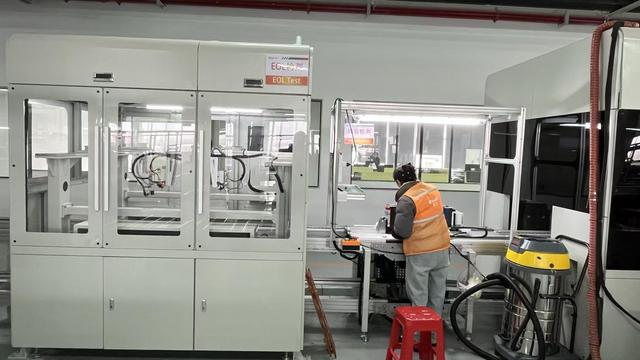
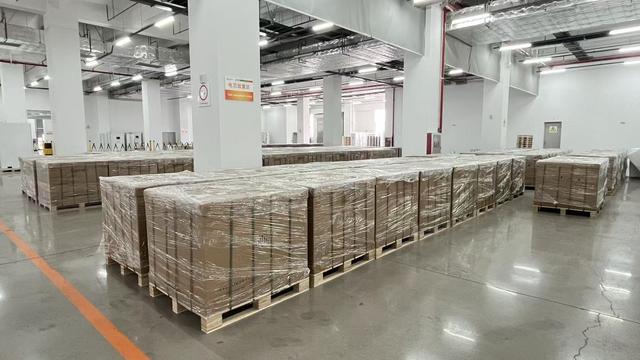
A tour of our factories showing our production lines, raw materials, automated machinery, and quality control departments.
 GAF Solar