Explore our premium range of high-efficiency photovoltaic modules and integrated solar energy components, tailored for global B2B procurement demands.
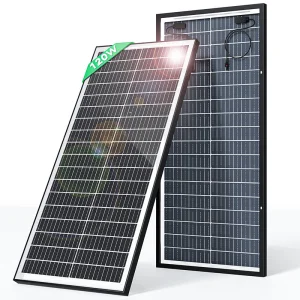
Ningbo GAF Solar Co., Ltd. is a professional, technology-led Solar Panel Manufacturer | Monocrystalline, Bifacial & High Efficiency PV Modules. We are dedicated to providing reliable, cutting-edge solar energy solutions for residential, commercial, industrial, and utility-scale applications globally.
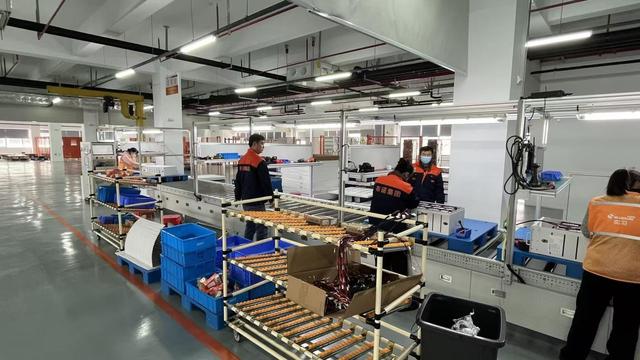
Based in the manufacturing hub of Ningbo, China, GAF Solar operates modern manufacturing facilities equipped with advanced production technologies, automated assembly lines, and comprehensive quality control systems. We specialize in the end-to-end design, development, and engineering of monocrystalline solar panels, bifacial solar modules, high-efficiency photovoltaic panels, commercial solar systems, industrial solar installations, and customized PV energy projects.
By leveraging premium-grade solar cells, durable protective raw materials, and precision manufacturing processes, our solar modules deliver outstanding power output, superior weather resistance, and long operational lifespans under demanding environmental conditions.
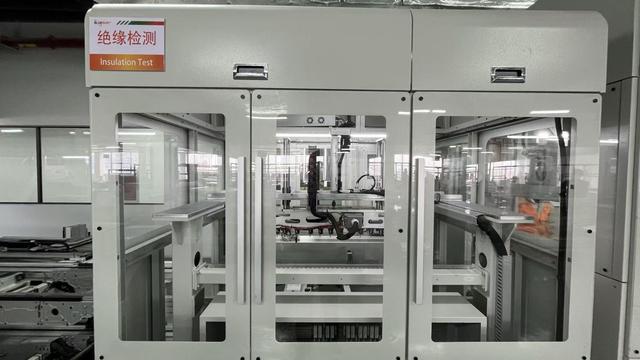
Every single wafer and module undergoes rigorous testing, including double EL inspection, thermal cycling tests, and PID resistance verification, ensuring full compliance with international standards.
Providing custom electrical layouts, distinct glass dimensions, private label branding, and mounting specifications to perfectly match systemic demands of international contractors.
Comprehensive analysis of global market trends, technical shifts, and procurement parameters for industrial and commercial projects.
In the contemporary energy landscape, the integration of solar thermal heating systems with high-efficiency photovoltaic (PV) setups has transitioned from a niche design choice to a mainstream industrial necessity. Driven by net-zero emission mandates and rising natural gas costs, commercial entities and utilities are increasingly seeking integrated solutions. As a premier OEM/ODM Solar Heating Systems Exporter, we observe that modern buyers are no longer procuring simple collectors or standard panels in isolation. Instead, they require multi-layered, hybrid structures (such as Photovoltaic-Thermal or PVT systems) that generate electricity and supply thermal energy simultaneously.
These advancements align with major policy updates including the European Green Deal and the United States Inflation Reduction Act (IRA), both of which reward system setups that achieve deep decarbonization. Consequently, exporters must design products that integrate seamlessly into district heating grids, industrial process steam networks, and complex multi-source heat pumps. Modern systems feature highly integrated glass structures, thin-film transparent glass panels, and bifacial modules that secure energy generation from both direct sunlight and reflective ground surfaces (albedo).
Enabling direct communication between solar PV modules, central heating storage tanks, and municipal grid controllers to stabilize grid voltage and heat distributions dynamically.
Moving from older p-type architectures to advanced n-type cell configurations (TOPCon / HJT), elevating operational efficiency beyond 23% and reducing degradation curves.
Utilizing anti-PID encapsulations, double-glass packaging, and enhanced corrosion-resistant structures to survive heavy snow, salt spray, and extreme desert heat.
Large-scale EPC (Engineering, Procurement, and Construction) contractors, project developers, and bulk distributors face distinct challenges when sourcing energy hardware. The ultimate goal is minimizing the Levelized Cost of Energy (LCOE) while ensuring product reliability for over 25 years. This calls for partners who excel as both a Solar Heating Systems Exporter and a reliable manufacturer.
To address these buyer priorities, modern OEM/ODM exporters must provide detailed technical documentations, third-party laboratory verifications (such as TUV, SGS, or Intertek), and transparent supply chain sourcing. Procurement decisions are heavily guided by cell technology options, thermal performance coefficients, mechanical loading capacity (snow/wind), and logistical security.
| Buyer Specification Requirement | Technical Baseline Target | Ningbo GAF Solar OEM/ODM Capability Solution |
|---|---|---|
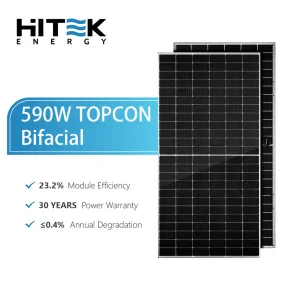
| Module Peak Power & Conversion Efficiency | ≥550W Power output; >21.5% Cell efficiency | N-Type TOPCon Double Glass modules offering up to 720W power output and 23.2% conversion efficiency. |
| Performance Longevity & Degradation Curves | <1% in Year 1, <0.4% annual linear loss for 30 years | Premium monocrystalline structures with anti-PID and LID-free performance warranties, secured with glass-glass laminates. |
| System Voltage Compatibility | 1000V / 1500V DC operating limits | Fully insulated junctions and bypass diodes configured for standard commercial inverters and MPPT battery kits. |
| Mechanical Stress Resistance | Wind load: 2400 Pa; Snow load: 5400 Pa | Hardened double glass structure plus anodized aluminum alloy framing, tested for extreme industrial site exposures. |
| Environmental Adaptability | Salt mist, ammonia, sand/dust resistance | Dual-stage EL-tested panels certified for coastal installations, agricultural farms, and arid desert projects. |
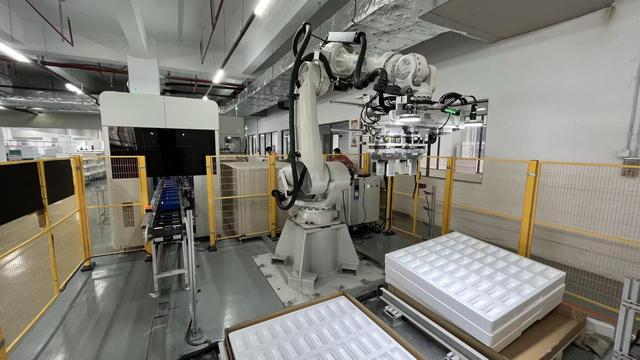
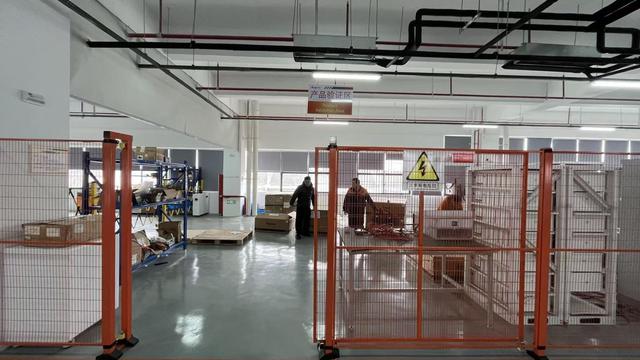
A visual insight into Ningbo GAF Solar Co., Ltd.'s state-of-the-art production floors, automated assembly lines, testing chambers, and logistical pipelines.
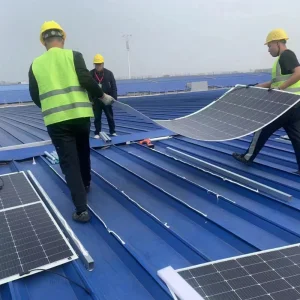
Operating out of advanced automated manufacturing facilities in Ningbo, China, we apply high-precision robotics and automated stringer machines. This ensure optimal grid alignment and zero defects across our entire monocrystalline, bifacial, and flexible PV product lines.
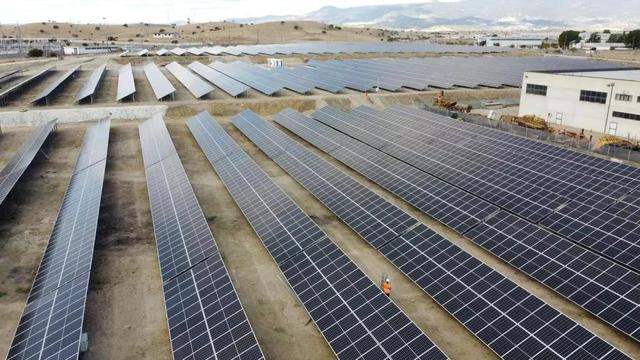
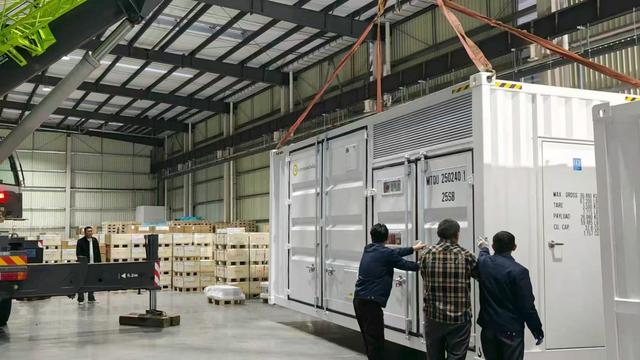
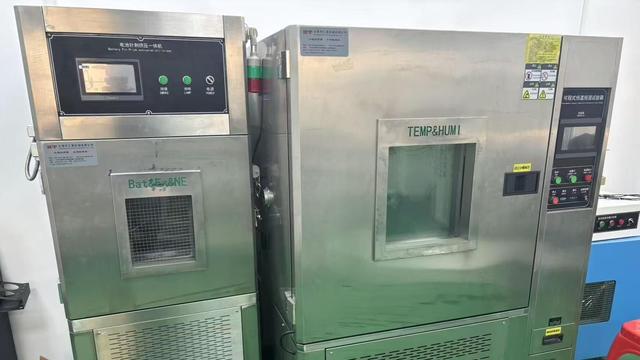
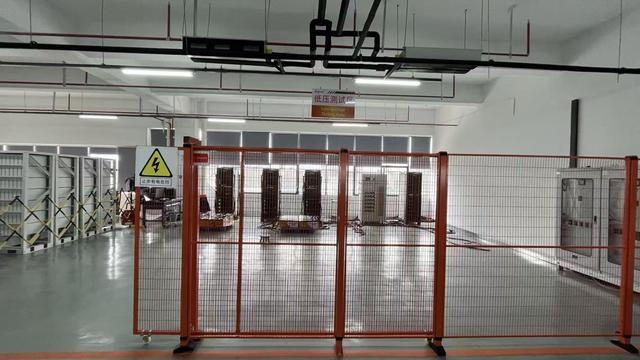
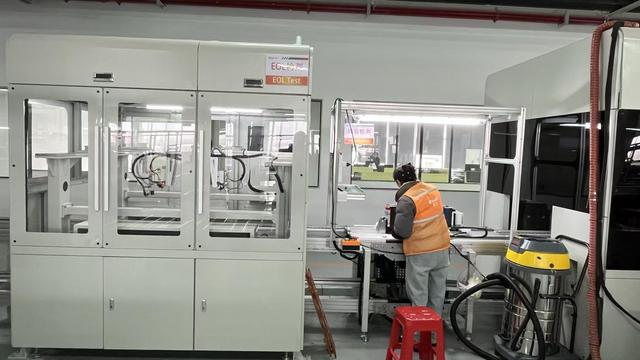
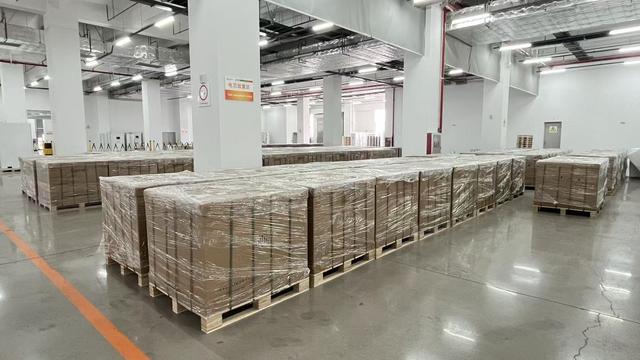
To satisfy the scale of modern decarbonization projects, individual solar components must function within macro-level systemic frameworks. Our OEM/ODM project consulting focuses on matching components to three core setups:
Navigating international trade compliance and technical certifications is a critical requirement for successful projects. Ningbo GAF Solar Co., Ltd. ensures that all manufactured components carry the necessary testing approvals required by import regulations worldwide. Our modules hold CE, TUV, IEC 61215, and IEC 61730 certifications, making them suitable for projects in the EU, North America, the Middle East, and beyond.
Our base in Ningbo, home to one of the world's busiest deep-water cargo ports, guarantees significant logistics advantages. We maintain optimized packing protocols (such as vertical module stacking with protective shock-absorption layers) to minimize micro-cracks during long ocean shipping. In addition, we cooperate with regional warehouses across Europe and North America to support distributors with fast delivery options for wholesale orders.
The solar energy sector is changing rapidly. As a forward-thinking OEM/ODM Solar Heating Systems Exporters network leader, GAF Solar invests a portion of annual revenues into efficiency developments and product testing.
Our technological roadmap highlights key goals for our clean energy equipment over the coming years:
Developing future tandem modules targeting over 28% cell conversion limits, bringing major power generation gains to space-constrained industrial rooftops.
Utilizing nano-graphene layers to transfer heat away from PV modules. This keeps cells cooler, improving efficiency during peak summer heat waves.
Working toward 100% recyclable, plastic-free shipping boxes and frames, supporting green procurement and zero-waste construction sites.
Direct technical answers addressing the key procurement challenges, customization options, and logistics details for global industrial solar buyers.
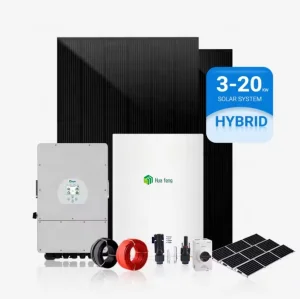
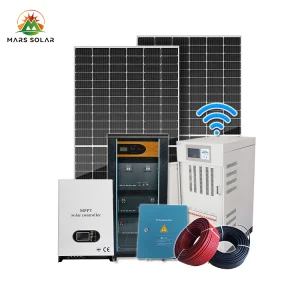
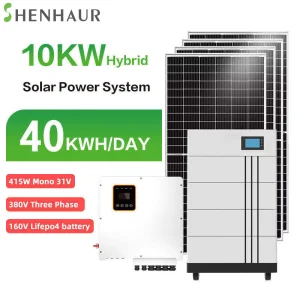
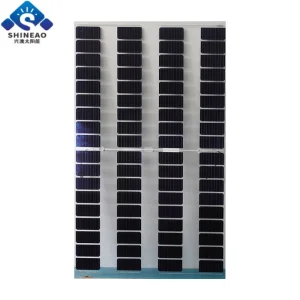
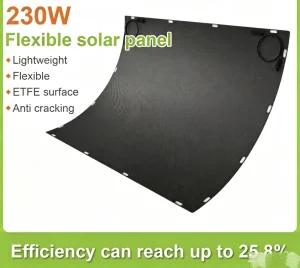
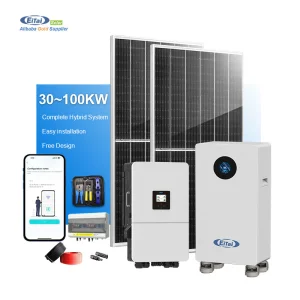
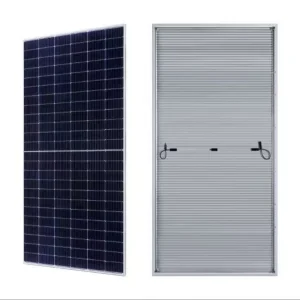
Explore our industrial solar solutions, complete hybrid system kits, thin-film glass, and custom flexible modules for versatile field projects.
 GAF Solar