Deploying tier-one cell technologies, high-efficiency architectures, and weather-resistant packaging for residential, utility-scale, and portable off-grid systems.
The global transition toward decentralized clean energy infrastructure requires highly specialized, resilient, and adaptive technologies. Utility companies, municipal contractors, and large-scale industrial buyers no longer rely on standard "one-size-fits-all" photovoltaic solutions. Instead, procurement strategies favor custom OEM/ODM Solar Lighting Solutions that align with strict regional wind-load requirements, electrical grid integration guidelines, and specific environmental factors such as high salinity, extreme temperatures, and dynamic solar irradiance.
The Information Gain Metric in Modern Photovoltaics:
System level integration, custom degradation warranties, and localized structural certification offer a much higher return on investment (ROI) compared to commodity components. Understanding the engineering variables of N-Type TOPCon cells, Mono PERC configurations, and bifacial glass-to-glass structures enables project managers to minimize Levelized Cost of Energy (LCOE) while increasing operational lifespans past 30 years.
Global procurers look for "high-efficiency bifacial panels," "off-grid structural certifications," and "TUV waterproof ratings." Our manufacturing methodologies directly resolve these intents with certified, high-performance structural systems.
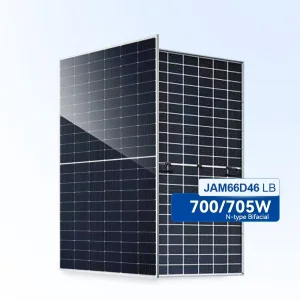
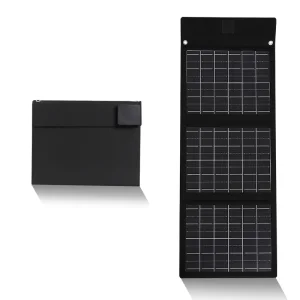
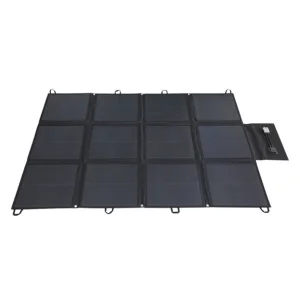
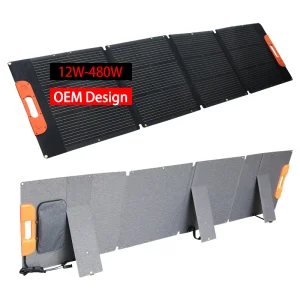
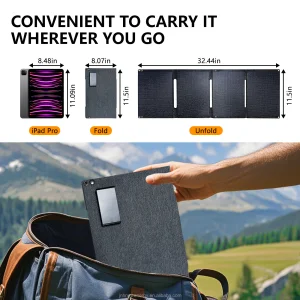
Whether configuring high-power bifacial solar arrays (690W - 710W) for factory roofs or small, rugged 18W portable foldable solar arrays for fieldwork, our manufacturing lines quickly adapt to custom designs.
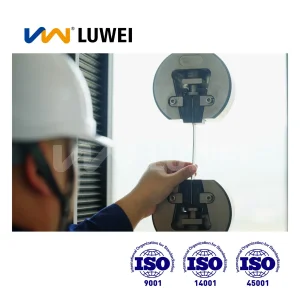
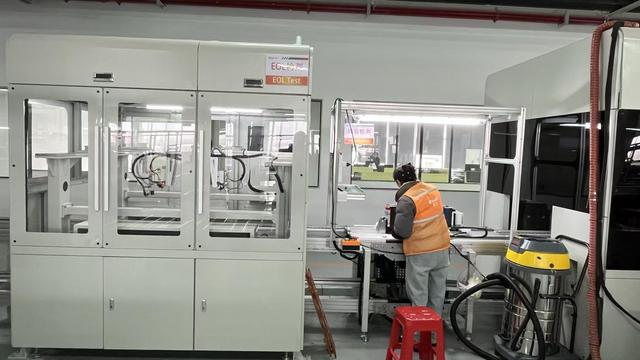
All OEM modules undergo EL (Electroluminescence) testing, mechanical load tests (up to 5400 Pa snow load and 2400 Pa wind load), and salt mist corrosion profiling to comply with international EPC project rules.
Ningbo GAF Solar Co., Ltd. is a professional Solar Panel Manufacturer | Monocrystalline, Bifacial & High Efficiency PV Modules dedicated to providing reliable solar energy solutions for residential, commercial, industrial, and utility-scale applications worldwide. With a strong commitment to renewable energy innovation, the company delivers advanced photovoltaic products designed to maximize energy generation, efficiency, and long-term performance.
Based in Ningbo, China, GAF Solar operates modern manufacturing facilities equipped with advanced production technologies, automated assembly lines, and comprehensive quality control systems. The company specializes in the development and production of monocrystalline solar panels, bifacial solar modules, high-efficiency photovoltaic panels, rooftop solar solutions, commercial solar systems, industrial solar installations, and customized PV energy projects.
GAF Solar focuses on technological innovation and product reliability. By utilizing premium-grade solar cells, durable materials, and precision manufacturing processes, the company produces solar modules capable of delivering excellent power output, superior weather resistance, and long operational lifespans. Every product undergoes rigorous testing and quality inspections to ensure compliance with international standards and the demanding requirements of global energy markets.
In addition to manufacturing high-performance solar panels, GAF Solar offers comprehensive OEM and ODM services, supporting distributors, EPC contractors, solar developers, energy solution providers, and private-label brands. The company provides flexible customization options, professional technical support, and efficient project coordination from design and production to shipment and after-sales service.
Serving customers across North America, Europe, Southeast Asia, the Middle East, Africa, and Latin America, Ningbo GAF Solar Co., Ltd. has established a reputation for quality, reliability, and customer-focused service. Through continuous innovation and sustainable manufacturing practices, the company remains committed to accelerating the global transition toward clean, renewable energy and creating long-term value for partners around the world.
Peak Cell Efficiency
EL Tested Quality
Exporting Countries
Linear Power Warranty
Integrating regional advantages with advanced robotics to deliver cost-effective and highly reliable photovoltaic components.
Our proximity to the Ningbo-Zhoushan Port—one of the world's busiest container hubs—minimizes land freight costs and transit times, ensuring dependable delivery schedules for urgent EPC projects worldwide.
We source high-grade polysilicon, structural mounting metals, backsheets, and junction boxes directly within a 150km industrial radius. This localization keeps production flexible and mitigates supply chain risks.
Our production facilities utilize automated soldering, mechanical lamination, and AI-driven optical inspection systems. This reduces human error, increases mechanical durability, and lowers overall production costs.
We provide customized compliance engineering to help developers meet strict safety and electrical grids standards in North America, Europe, and Asia-Pacific markets.
We supply fire-rated Type 1/Type 2 double-glass PV panels that comply with UL 61730 regulations, making them ready for immediate grid integration under local California Energy Commission (CEC) codes.
Our panels feature TUV certification under IEC 61215 and IEC 61730. They also comply with CE mark directives and localized WEEE disposal rules for clean lifecycle tracking.
Our structural designs are engineered for extreme weather. They feature high salt-mist resistance for marine environments in Southeast Asia and dynamic dust-shedding coatings for projects in the Middle East.
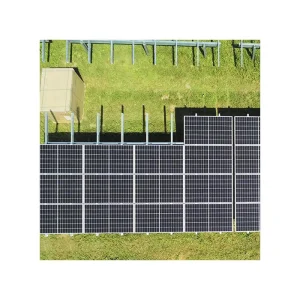
From utility-scale ground structures to lightweight portable chargers, our OEM/ODM products perform reliably across diverse settings.
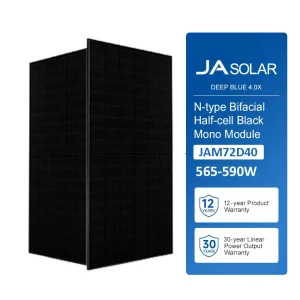
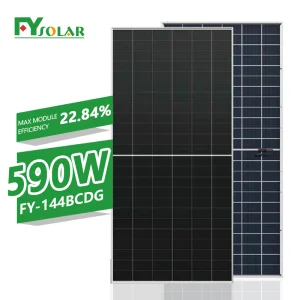
Our bifacial solar modules utilize dual-glass structures to generate electricity from both sides. When paired with elevated mounting brackets, they let light pass through to support plant growth below while producing extra energy from soil albedo reflections.
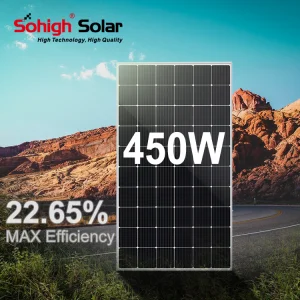
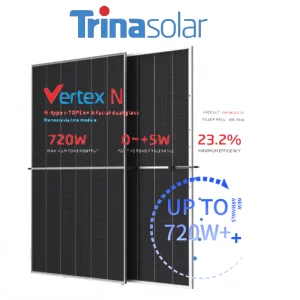
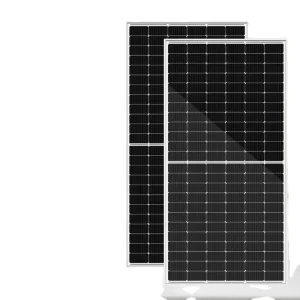
Our 690W to 710W modules offer high power density. They allow industrial facilities to generate maximum power within limited roof space, shortening payback periods and lowering operational costs.
Our flexible, lightweight modules are built for mobile off-grid systems. They bend easily to fit curved surfaces on RVs, boats, and outdoor gear, providing dependable power in harsh, damp environments.
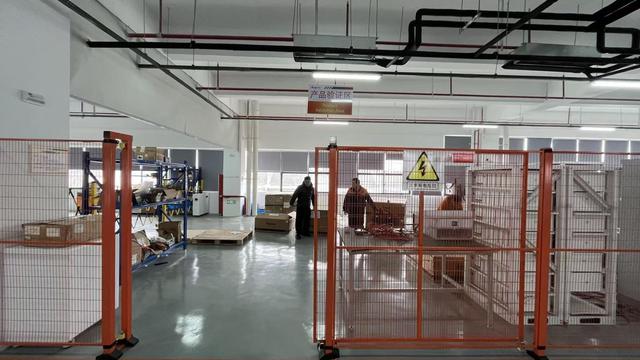
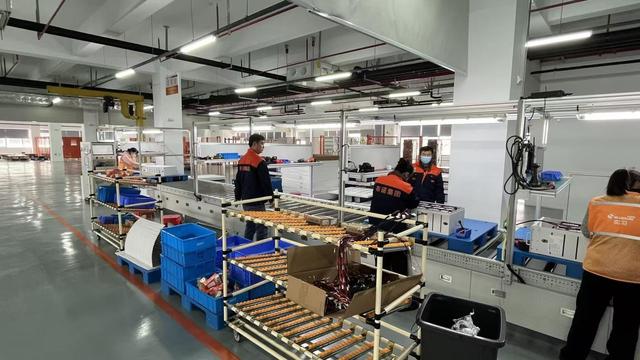
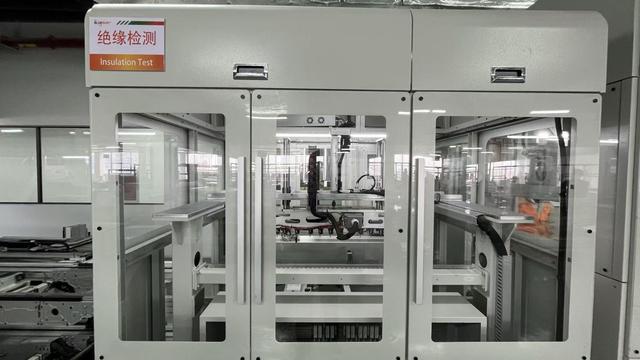
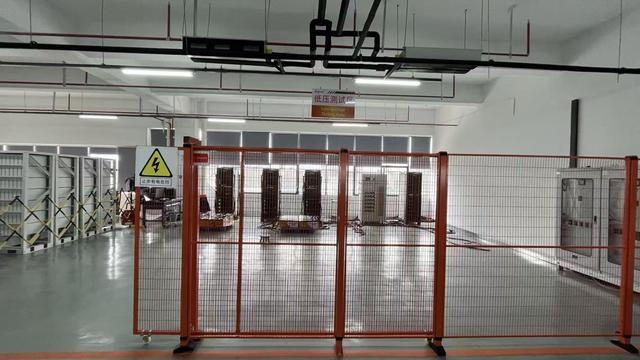
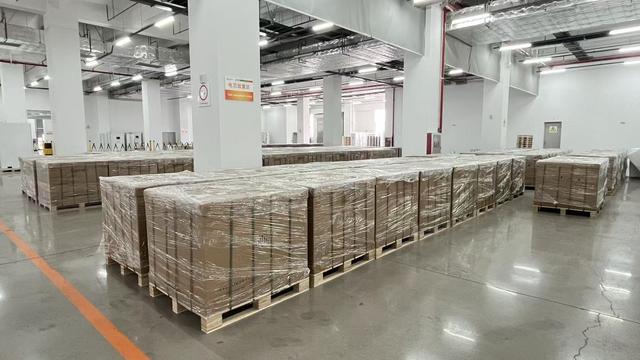
Direct images showing our production floors, advanced lamination lines, automated sorting machines, and raw material warehouses.
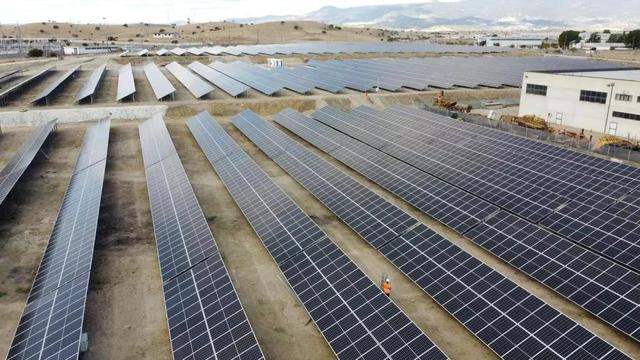
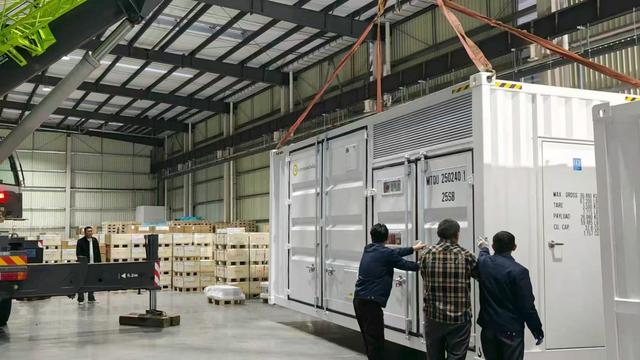
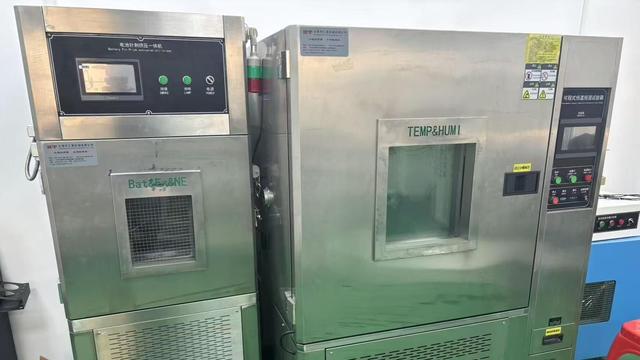
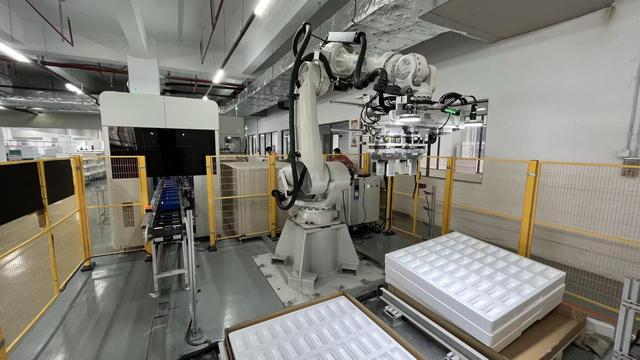
N-Type TOPCon (Tunnel Oxide Passivated Contact) technology achieves lower LID (Light Induced Degradation) and a superior temperature coefficient (-0.30%/°C). It offers up to 80% bifaciality compared to 70% for standard P-type PERC modules, allowing for higher energy yields over their operating lifetime.
We prevent Potential Induced Degradation (PID) by using high-grade POE (Polyolefin Elastomer) encapsulation materials instead of standard EVA. Combined with strict quality controls and anodized aluminum frames, our modules maintain reliable insulation resistance in hot, humid, and coastal environments.
Our customization options cover dimensions, electrical output (Wp), glass thickness (2.0mm/3.2mm), frame finishes (black/silver), cable lengths, junction box ratings, MC4 connector types, and private-label logo options.
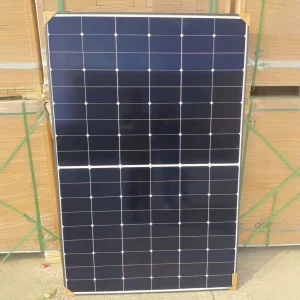
Every module undergoes triple Electroluminescence (EL) testing: first after cell stringing, second after lamination, and finally before packaging. We also conduct flash tests to verify power tolerances (guaranteed between 0% and +3%), along with insulation and ground continuity tests.
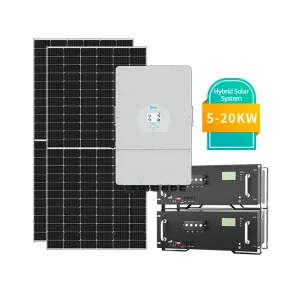
From residential systems to flexible panels, check out our full range of solar configurations designed for high efficiency.
 GAF Solar