Building Integrated Photovoltaics (BIPV) represents the frontier of sustainable architecture, merging power generation directly with structural elements. Unlike traditional Building Applied Photovoltaics (BAPV), which are mounted on top of existing building envelopes, BIPV modules function as both the outer skin of a structure and an on-site power generator. By substituting conventional materials like glass, metal tiles, and concrete facades with photovoltaic components, developers can dramatically improve carbon offset calculations and enhance the building's thermal properties.
According to international architectural guidelines and the Google Search Quality Rater Guidelines criteria for high-quality information, evaluating BIPV systems requires deep expertise in both photovoltaic physics and building envelope engineering. Global developers look for manufacturers that do not only provide raw modules but engineered structural units that fulfill local wind load certifications, fire safety ratings, and thermal transfer performance requirements.
The evolution of Building Integrated Solar Systems is driven by breakthrough cell architectures and structural materials. Over the next decade, the industry is transitioning through distinct phases to achieve higher aesthetic alignment and energy output.
Integration of HJT and perovskite layers allows modules to capture a broader spectrum of solar radiation. This dual-junction design pushes theoretical conversion limits past 28%, maintaining high yield even under indirect, diffuse vertical facade lighting conditions.
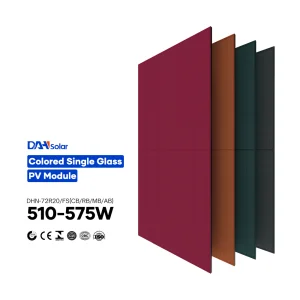
Utilizing nano-coating technology, modern BIPV glass can mimic stone, terracotta, or marble facades while maintaining 80%+ of baseline PV transmittance. This satisfies strict historic preservation codes and architectural aesthetic requirements.
Integrating micro-channels for cooling, next-gen BIPV systems act as hybrid solar thermal systems (PVT). Circulating coolant controls module temperature to maximize efficiency while generating hot water for HVAC systems.
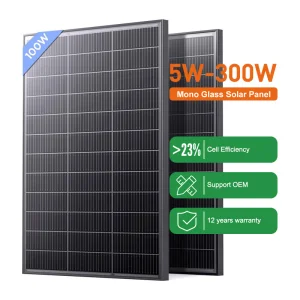
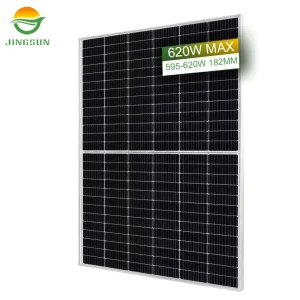
Ningbo GAF Solar Co., Ltd. is a professional Solar Panel Manufacturer | Monocrystalline, Bifacial & High Efficiency PV Modules dedicated to providing reliable solar energy solutions for residential, commercial, industrial, and utility-scale applications worldwide. With a strong commitment to renewable energy innovation, the company delivers advanced photovoltaic products designed to maximize energy generation, efficiency, and long-term performance.
Based in Ningbo, China, GAF Solar operates modern manufacturing facilities equipped with advanced production technologies, automated assembly lines, and comprehensive quality control systems. The company specializes in the development and production of monocrystalline solar panels, bifacial solar modules, high-efficiency photovoltaic panels, rooftop solar solutions, commercial solar systems, industrial solar installations, and customized PV energy projects.
GAF Solar focuses on technological innovation and product reliability. By utilizing premium-grade solar cells, durable materials, and precision manufacturing processes, the company produces solar modules capable of delivering excellent power output, superior weather resistance, and long operational lifespans. Every product undergoes rigorous testing and quality inspections to ensure compliance with international standards and the demanding requirements of global energy markets.
In addition to manufacturing high-performance solar panels, GAF Solar offers comprehensive OEM and ODM services, supporting distributors, EPC contractors, solar developers, energy solution providers, and private-label brands. The company provides flexible customization options, professional technical support, and efficient project coordination from design and production to shipment and after-sales service.
Serving customers across North America, Europe, Southeast Asia, the Middle East, Africa, and Latin America, Ningbo GAF Solar Co., Ltd. has established a reputation for quality, reliability, and customer-focused service. Through continuous innovation and sustainable manufacturing practices, the company remains committed to accelerating the global transition toward clean, renewable energy and creating long-term value for partners around the world.
To bridge the gap between architectural requirements and electrical engineering, top BIPV factories deliver system-level packages for diverse structural scenarios.
Vertical skyscraper envelopes utilize double-glazed, soundproof, and heat-insulating BIPV glass. Engineered dynamically with varying transparency rates (from 10% to 50%), these glass configurations reduce cooling HVAC loads by up to 30% while generating constant decentralized grid support.
Replacing traditional corrugated iron panels with high-durability integrated steel-core solar tiles. Designed to outlast normal roofing structures, these solutions feature quick-snap electrical couplers that facilitate rapid commissioning during factory plant erection.
Utilizing semi-transparent monocrystalline cell grids, these structure canopies allow natural PAR (photosynthetically active radiation) wavelengths to reach agricultural crops while capturing infrared radiation to run facility pumps and heating fans.
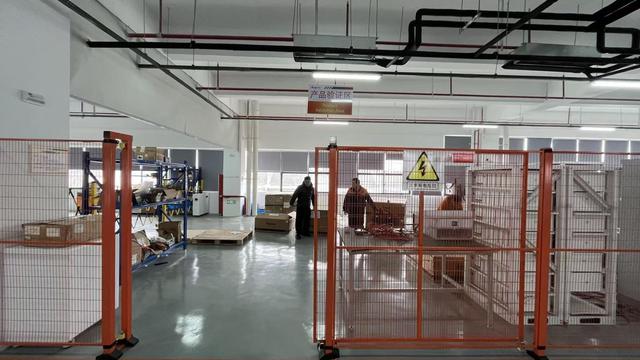
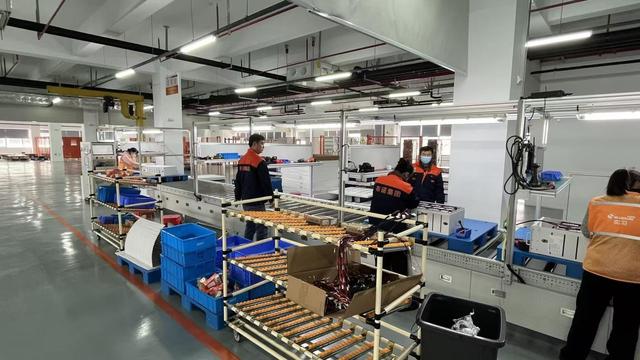
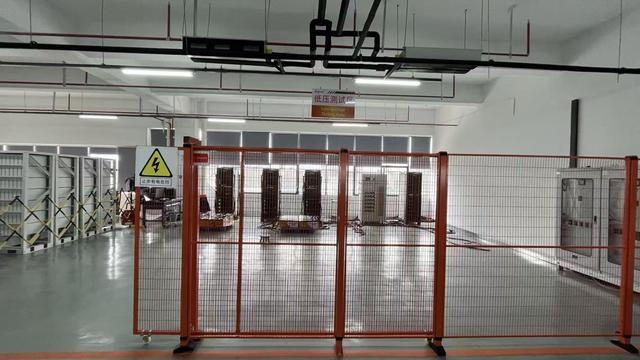
The massive global uptake of BIPV is underpinned by the implementation of Smart Factory 4.0 architectures within China's manufacturing clusters. Standardized cleanroom practices and advanced automation provide structural guarantees that traditional PV manufacturing cannot match.
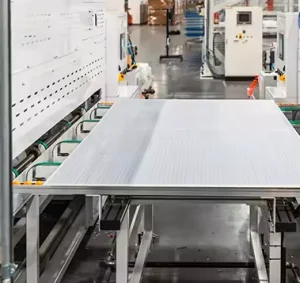
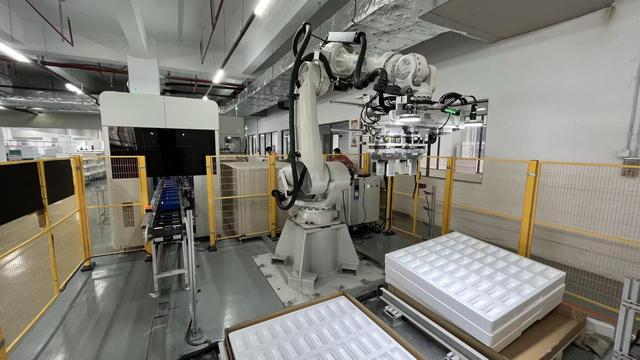
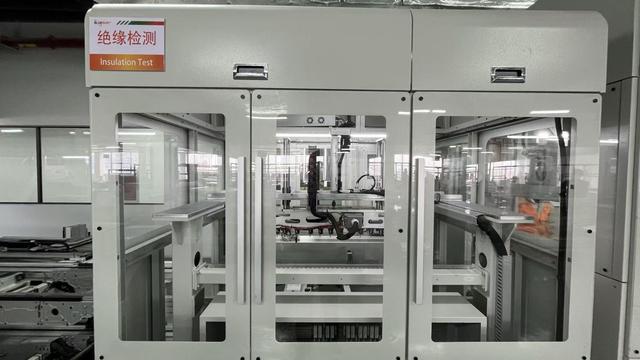
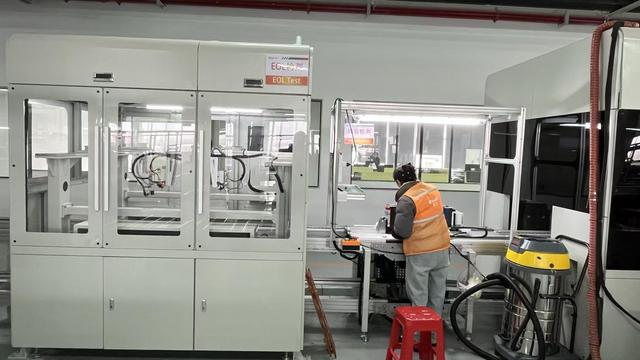
At automated hubs like Ningbo GAF Solar Co., Ltd., processes are managed via cloud-linked Manufacturing Execution Systems (MES). Automated Guided Vehicles (AGVs) coordinate cell selection, ribbon welding, laminating, and post-assembly quality screening. In-line double Electroluminescence (EL) testing detects micro-cracks invisible to the human eye, ensuring that every BIPV module integrated into a structural wall has zero defects before lamination.
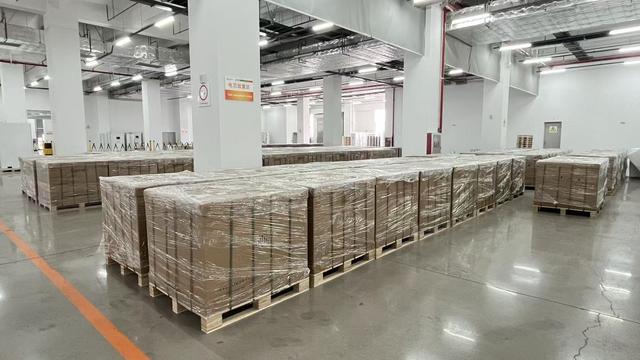
Furthermore, Ningbo's geographic proximity to the world's largest deep-water cargo port (Ningbo-Zhoushan Port) allows factories to lock in highly reliable shipping and logistics configurations. This location advantage reduces raw material handling times and minimizes structural glass transport risks, ensuring projects in Europe, North America, and Australia receive undamaged structural parts exactly on time.
Procuring BIPV products requires close inspection of certification frameworks. Since BIPV components double as structural materials, they must satisfy electrical performance certifications as well as structural civil engineering standards.
Compliance with IEC 61215 (design qualification and type approval) and IEC 61730 (safety qualification) is non-negotiable. For North American markets, compliance with UL 1703 or UL 61730 is mandatory to secure grid connection permits.
BIPV glass modules must comply with international safety glazing standards like EN 12600 or ANSI Z97.1, validating impact testing performance. Wind-tunnel simulations and pressure load validations up to 5400 Pa are essential for high-rise developments.
To secure green building points (LEED, BREEAM, DGNB), procurement teams require verified Environmental Product Declarations (EPD) and Low Carbon footprint certs. These documents trace the energy used during factory silicon synthesis and assembly stages.
Implementing building-integrated solar systems requires tight coordination with regional construction rules. A factory's ability to provide customized product dimensions, junction box orientations, and custom wire lengths defines how smoothly the components install on site. Modern developers look for manufacturers that maintain localized engineering hubs or provide remote support services.
Reliable manufacturers maintain structural engineering consultancies that model wind actions, snow loading patterns, and earthquake displacement tolerances for BIPV walls. Having engineering-backed data sheets ensures that target projects clear regional planning permits and building inspector approvals.
 GAF Solar