Explore high-efficiency photovoltaic systems, customized hybrid packages, and advanced flexible modules designed for seamless grid connection.
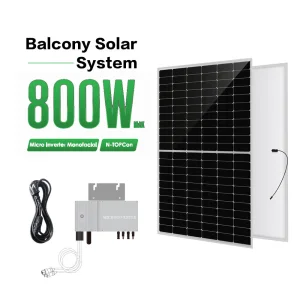
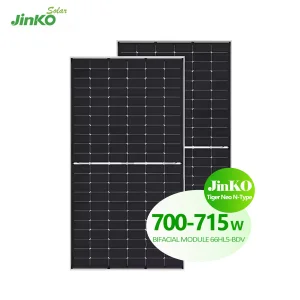
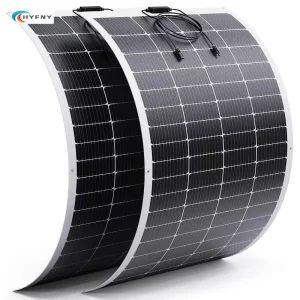
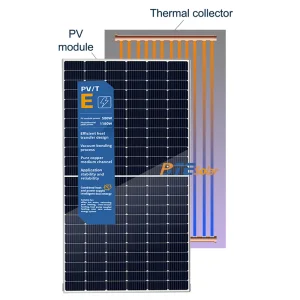
The transition toward decarbonized grid architectures has propelled the global On-Grid Solar System industry into an era of unprecedented growth. On-grid (grid-tied) installations form the backbone of both municipal utility infrastructures and high-capacity Commercial & Industrial (C&I) operations. Unlike off-grid setups that rely exclusively on battery storage, on-grid systems interface directly with utility transmission grids, allowing real-time bidirectional power flow. This configuration eliminates energy curtailment issues through mechanism structures like Net Metering and Feed-in Tariffs (FiTs).
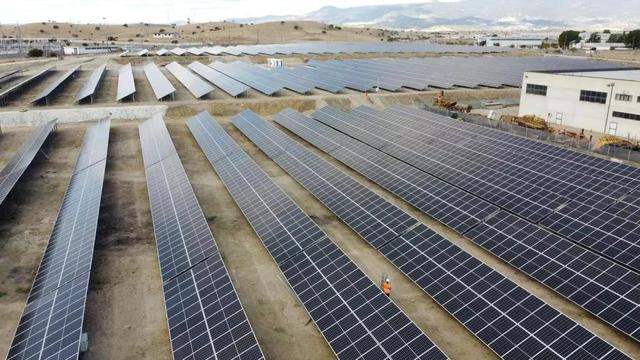
According to current market intelligence, the global solar PV installation capacity is projected to surpass 3 Terawatts (TW) by 2030, with grid-tied topologies accounting for over 85% of this volume. High energy costs, paired with stringent ESG compliance mandates across North America, Europe, and the APAC region, are driving corporate buyers to secure long-term power purchase agreements (PPAs) and invest in capital-expenditure-heavy industrial rooftop solar arrays.
A premier global tier-manufacturer and custom system integrator based in China's advanced manufacturing zone.
Ningbo GAF Solar Co., Ltd. is a professional Solar Panel Manufacturer | Monocrystalline, Bifacial & High Efficiency PV Modules dedicated to providing reliable solar energy solutions for residential, commercial, industrial, and utility-scale applications worldwide. With a strong commitment to renewable energy innovation, the company delivers advanced photovoltaic products designed to maximize energy generation, efficiency, and long-term performance.
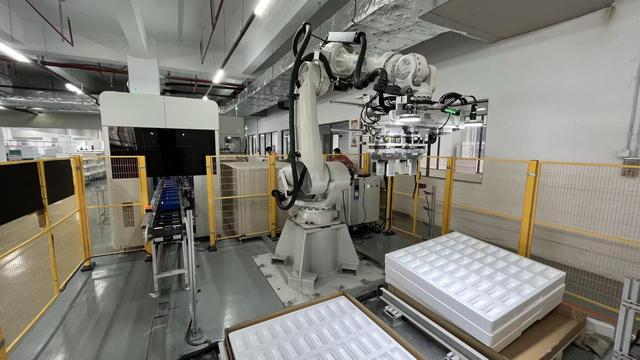
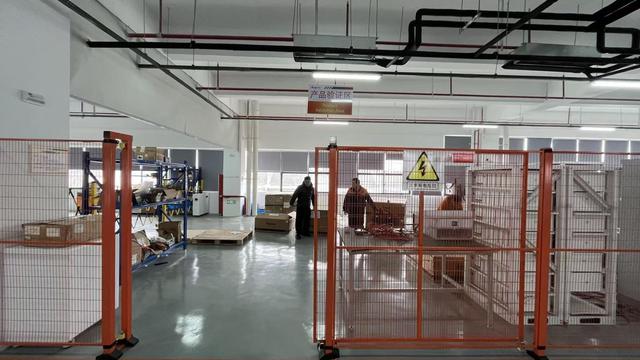
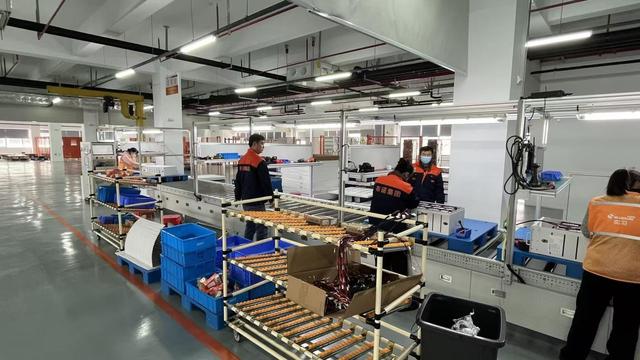
Based in Ningbo, China, GAF Solar operates modern manufacturing facilities equipped with advanced production technologies, automated assembly lines, and comprehensive quality control systems. The company specializes in the development and production of monocrystalline solar panels, bifacial solar modules, high-efficiency photovoltaic panels, rooftop solar solutions, commercial solar systems, industrial solar installations, and customized PV energy projects.
GAF Solar focuses on technological innovation and product reliability. By utilizing premium-grade solar cells, durable materials, and precision manufacturing processes, the company produces solar modules capable of delivering excellent power output, superior weather resistance, and long operational lifespans. Every product undergoes rigorous testing and quality inspections to ensure compliance with international standards and the demanding requirements of global energy markets.
In addition to manufacturing high-performance solar panels, GAF Solar offers comprehensive OEM and ODM services, supporting distributors, EPC contractors, solar developers, energy solution providers, and private-label brands. The company provides flexible customization options, professional technical support, and efficient project coordination from design and production to shipment and after-sales service.
Serving customers across North America, Europe, Southeast Asia, the Middle East, Africa, and Latin America, Ningbo GAF Solar Co., Ltd. has established a reputation for quality, reliability, and customer-focused service. Through continuous innovation and sustainable manufacturing practices, the company remains committed to accelerating the global transition toward clean, renewable energy and creating long-term value for partners around the world.
Technical parameters defining the next generation of on-grid solar components and their module efficiency standards.
| Cell Technology | Avg. Industrial Efficiency | Temperature Coefficient | Degradation Rate (Year 1) | Bifaciality Factor | Best Use Cases |
|---|---|---|---|---|---|
| P-type PERC | 20.8% - 21.5% | -0.35% / °C | < 2.0% | 70% - 75% | Residential standard rooftops, cost-sensitive projects. |
| N-type TOPCon | 22.5% - 24.5% | -0.30% / °C | < 1.0% | 80% - 85% | Utility-scale power stations, commercial flat rooftops. |
| HJT (Heterojunction) | 23.5% - 25.5% | -0.26% / °C | < 1.0% | 85% - 95% | Extreme hot climates, high-albedo ground mounts. |
| IBC / BC (Back Contact) | 24.0% - 26.0% | -0.29% / °C | < 1.5% | 60% - 70% | Aesthetic high-end residential, premium architectural integrations. |
Modern on-grid setups integrate smart string inverters or decentralized microinverters, optimizing voltage matching to minimize power loss and reduce system installation times by up to 25%.
Double-glass N-Type configurations provide robust protection against Potential Induced Degradation (PID), ensuring operational stability and optimal power generation in high-temperature and high-humidity environments.
All system configurations are designed to meet rigorous regional grid compliance requirements, ensuring adherence to standard anti-islanding regulations, IEEE 1547, and UL 1741 certifications.
How specific project requirements dictate system choices across different operating environments globally.
In high-density industrial parks, on-grid systems are coupled with zero-export controllers. The power produced matches factory baseload demands in real time. For businesses experiencing volatile energy rates, utilizing high-efficiency monocrystalline modules maximizes generation per square meter, yielding immediate ROI and mitigating peak daytime demand charges.
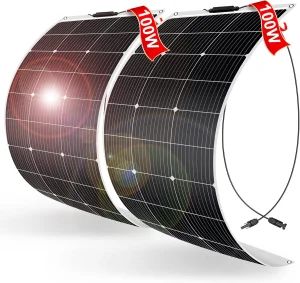
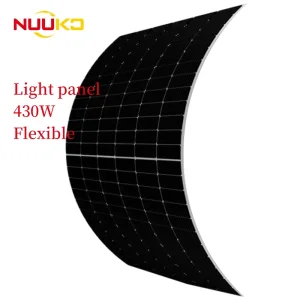
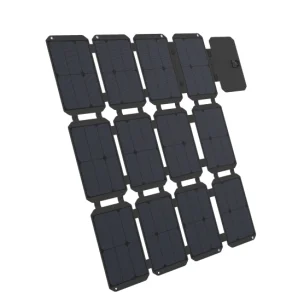
For European and urban markets (e.g., Germany's balconysolar dynamic), plug-and-play micro-inverter-equipped systems allow consumers to mount light, semi-flexible ETFE PV modules directly on railings. These systems feed electricity directly into the household ring main via a standard outlet, reducing baseline household energy costs with minimal installation complexity.
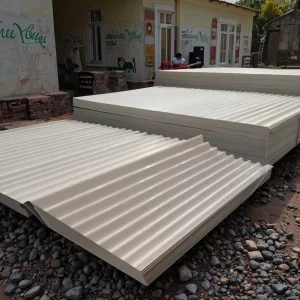
Architectural Integration Case: Modern warehouses benefit significantly from integrating PV modules with corrugated metal roofs (such as structural PPGI panels). The mechanical mounting kits securely hold the light modules without compromising the weatherproofing or structural integrity of the roof.
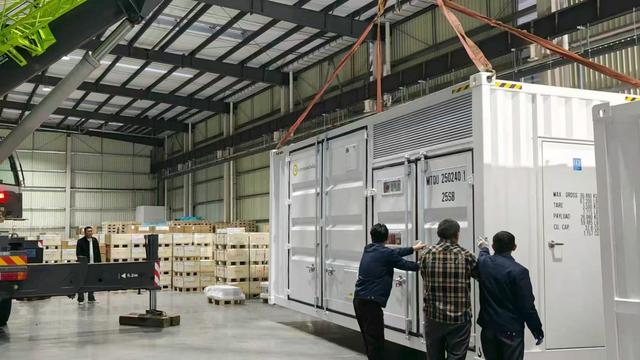
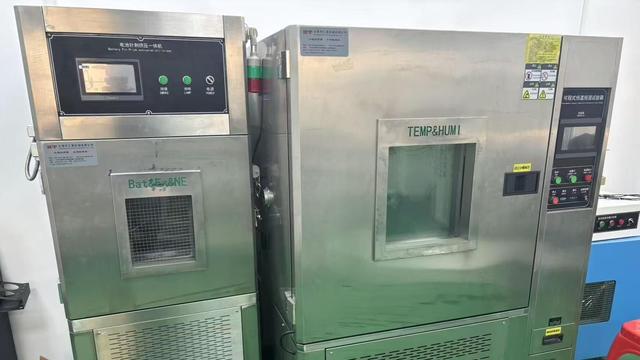
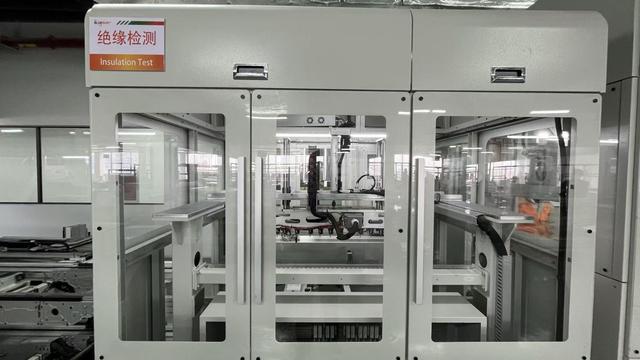
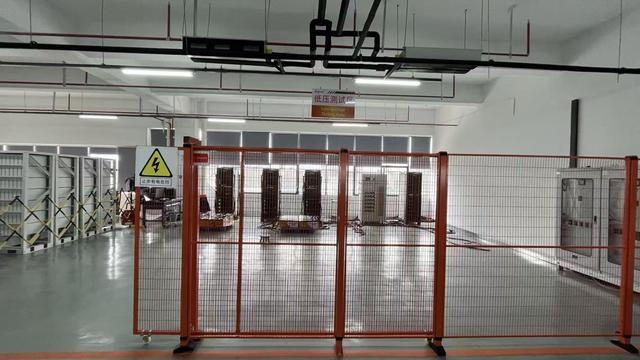
A visual showcase of our advanced automated production facilities, testing centers, and quality-control operations.
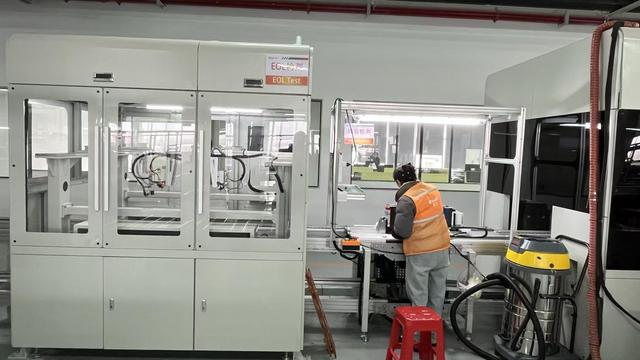
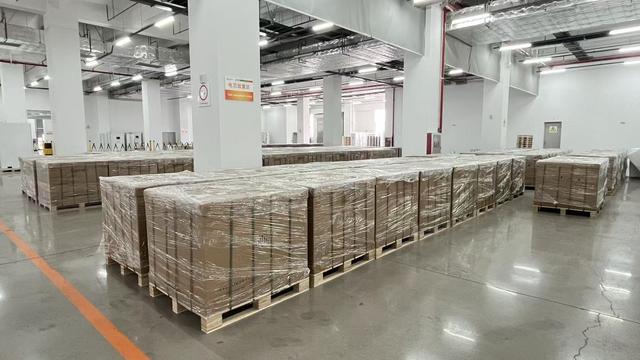
Critical considerations for engineering procurement, technical integration, and international logistics of grid-tied systems.
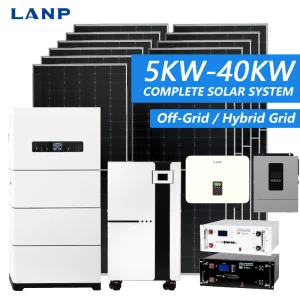
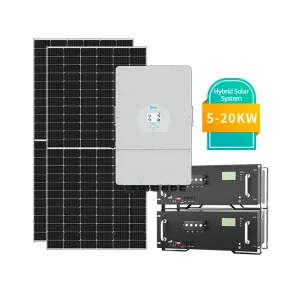
An On-Grid Solar System interacts directly with the local utility grid. Without energy storage, it feeds surplus electricity into the grid and imports power during low-solar conditions. A hybrid system combines this grid-connected dynamic with energy storage (batteries), allowing backup power during utility outages and advanced load management functions.
Grid-tied solar inverters are equipped with anti-islanding mechanisms compliant with standard regulations like IEEE 1547. In the event of a utility grid outage, the inverter detects the grid's drop in voltage or frequency and immediately disconnects the solar array from the network. This prevents solar-generated power from flowing back into damaged lines, protecting utility personnel working on repairs.
High-quality manufacturing processes involve multiple stages of testing. Electroluminescence (EL) tests identify internal micro-cracks before lamination, while thermal cycling tests check structural stability under extreme temperature swings (-40°C to +85°C). Mechanical load testing confirms resilience against wind (2400 Pa) and heavy snow loads (5400 Pa), ensuring panels can meet a 25-year performance warranty.
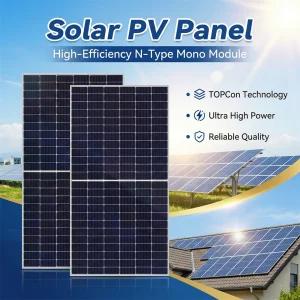
N-Type silicon technology (primarily TOPCon and Heterojunction) uses phosphorus doping instead of boron. This eliminates Light Induced Degradation (LID) and reduces the temperature coefficient down to -0.30%/°C or lower. N-type modules generate more power in low-light and high-temperature environments, increasing cumulative generation and significantly lowering overall project LCOE.
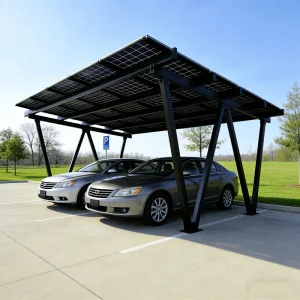
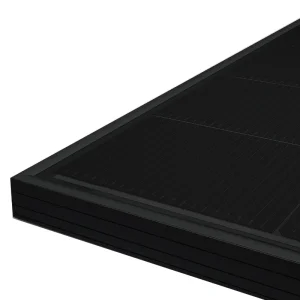
View our additional system components, ground mount racks, waterproof carports, and high-wattage monocrystalline modules.
 GAF Solar