Explore our flagship solar power generator components and integrated systems engineered for maximizing Levelized Cost of Energy (LCOE) gains.
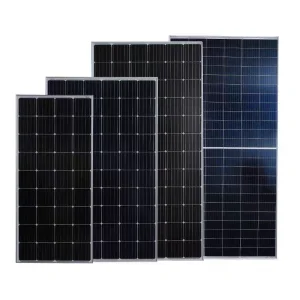
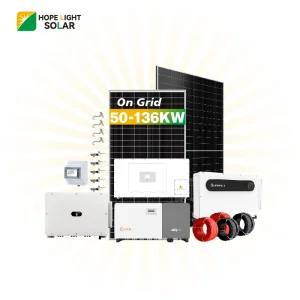
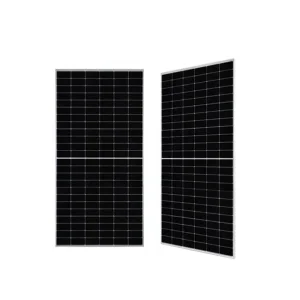
Evaluating Level-1 Tier manufacturers based on reliability metrics, supply chain compliance, and bankability.
We source modules from tier-rated manufacturers with verified BloombergNEF (BNEF) status. This ensures project investability, reliable warranty coverage, and long-term security for institutional developers and EPC contractors.
By using N-type HJT and TOPCon cells, our modules provide lower temperature coefficients (-0.26%/°C to -0.30%/°C) and reduced degradation rates, maximizing the Levelized Cost of Energy over a 30-year lifecycle.
Our partners provide complete bill-of-materials (BOM) traceability. This ensures compliance with ESG initiatives, the Uyghur Forced Labor Prevention Act (UFLPA), and European Union supply chain laws.
Custom power generation systems designed to meet complex spatial, structural, and grid requirements.
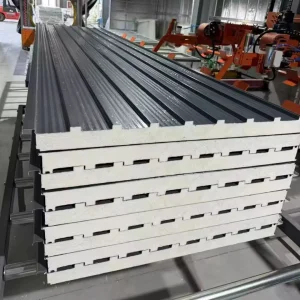
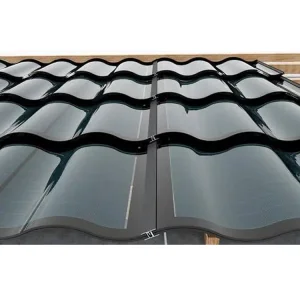
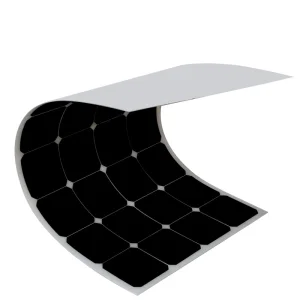
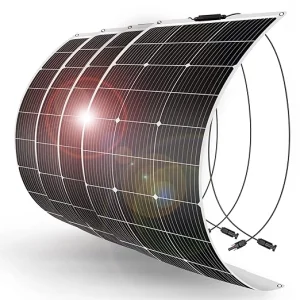
Modern manufacturing plants require sustainable energy systems that fit limited rooftop load-bearing profiles. Our range of lightweight, flexible mono panels and BIPV (Building-Integrated Photovoltaics) curve tiles adapt to varied surfaces without compromising structural integrity.
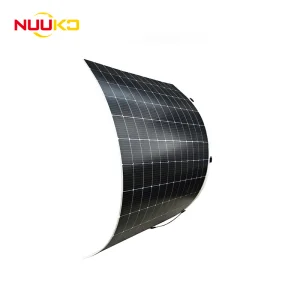
Deploying reliable power generators in remote areas, offshore facilities, and mobile units requires rugged, highly durable materials. Portable, flexible ETFE panels and custom off-grid kits provide stable energy in challenging conditions.
Leading the shift toward higher power density, lower thermal coefficients, and structural resilience.
As single-junction silicon approaches theoretical efficiency limits, Heterojunction (HJT) combined with Perovskite tandem layers is projected to exceed 30% cell conversion efficiency by 2028.
Next-generation architectural integrations focus on flexible copper indium gallium selenide (CIGS) cells, creating lightweight, aesthetic alternatives for active solar building facades.
Edge AI integration inside Maximum Power Point Tracking (MPPT) units enables real-time optimization at the module level, reducing mismatch losses from shading and soil accumulation.
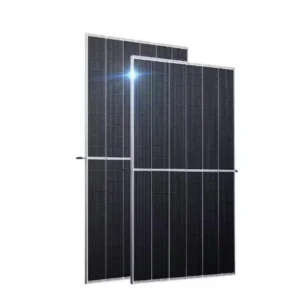
A global supplier specializing in high-performance monocrystalline, bifacial, and custom PV module technologies.
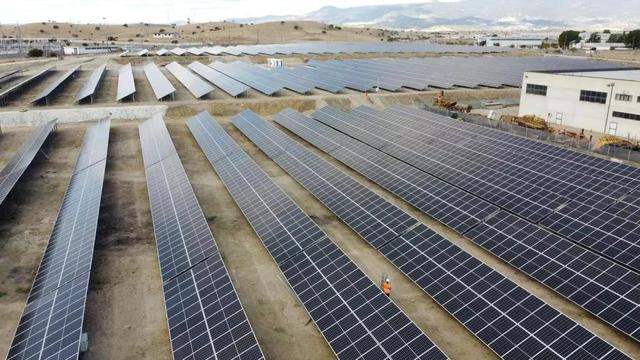
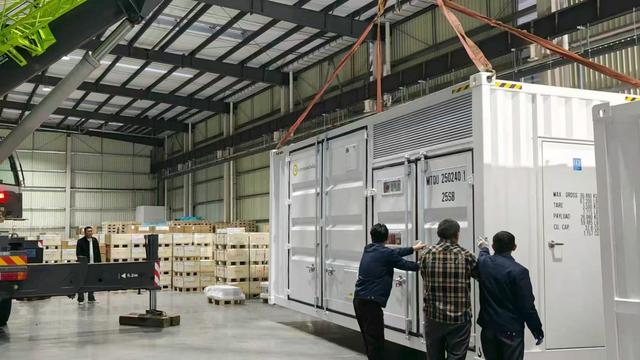
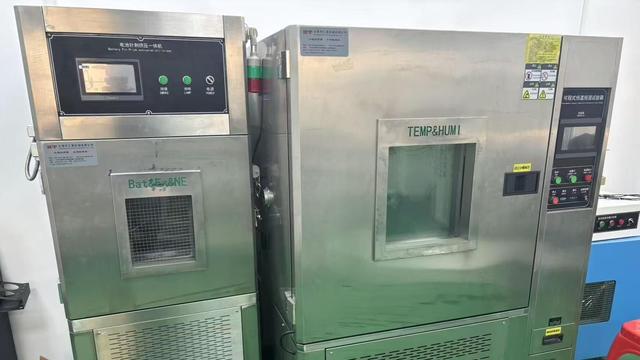
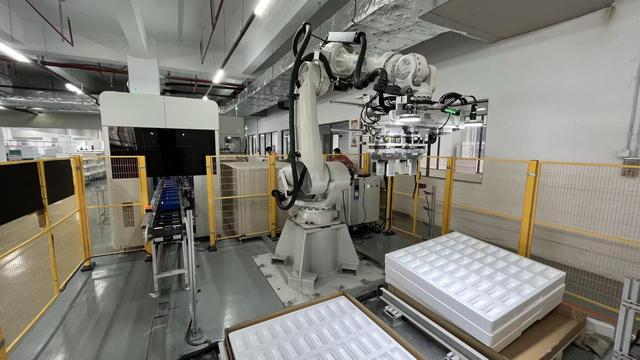
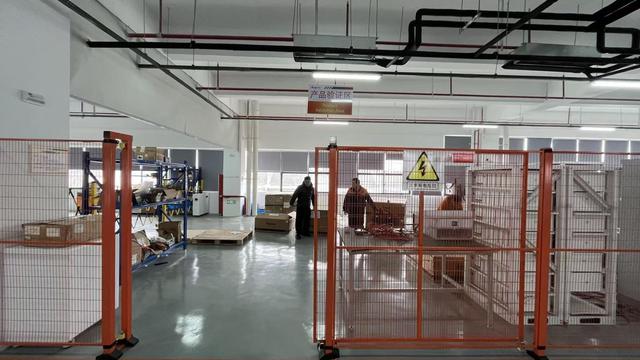
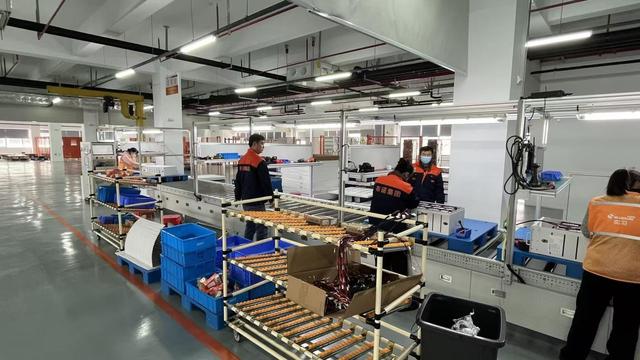
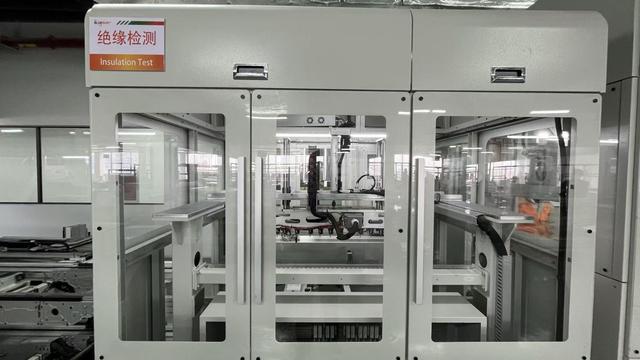
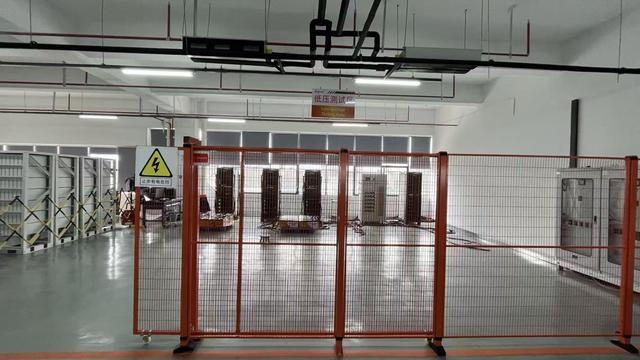
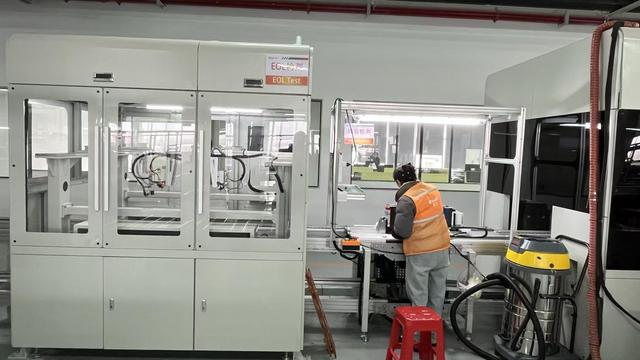
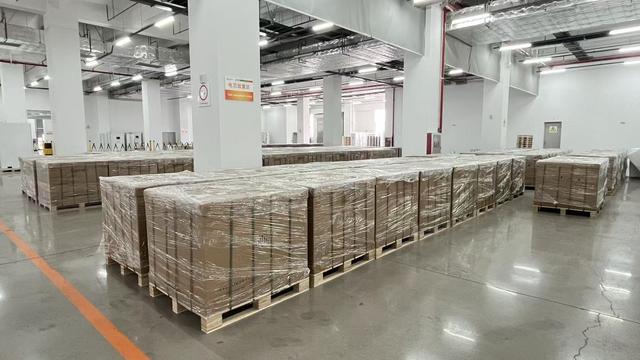
We maintain adherence to globally recognized regulatory frameworks, electrical standards, and structural testing protocols.
These standards verify design quality and safety for long-term outdoor operation, confirming resistance to thermal cycling, humidity freeze, and mechanical stress.
Required for North American deployment, this compliance ensures high fire resistance safety classes and structural integrity under dynamic wind load models.
These certifications demonstrate a structured framework for quality control, environmental management, and occupational health and safety across all manufacturing facilities.
Clear, detailed answers regarding cell technology, warranties, mechanical ratings, and global shipping policies.
N-type Heterojunction (HJT) panels use crystalline silicon sandwiched between thin layers of amorphous silicon. They suffer zero Light Induced Degradation (LID) and feature a first-year degradation of less than 1%, followed by an annual rate of approximately 0.25%. Standard P-Type PERC cells experience around 2% first-year LID and an annual degradation of 0.45% to 0.55%, resulting in lower cumulative power output over a 25-to-30-year lifetime.
The temperature coefficient measures how much power output a panel loses for every degree Celsius above the standard testing temperature of 25°C. High-performance N-Type cells have a lower coefficient of -0.26%/°C to -0.30%/°C, compared to -0.35%/°C to -0.39%/°C for P-Type PERC. In hot regions, such as desert installations, this difference can lead to a 5% to 10% increase in annual energy yield.
Yes. Modern flexible panels constructed with high-grade ETFE (Ethylene Tetrafluoroethylene) encapsulation are highly durable. ETFE provides UV resistance, high light transmission, and excellent protection against saltwater corrosion and chemical degradation, making these modules suitable for boats, RVs, and marine research platforms.
Lead times depend on the level of customization. Standard power capacities and custom logo printing typically require 15 to 25 days from contract signing to port delivery. For specialized electrical outputs, custom junction box wiring, or unique module dimensions, the technical design and prototyping phase adds 2 to 3 weeks to ensure full compliance with IEC/UL test parameters.
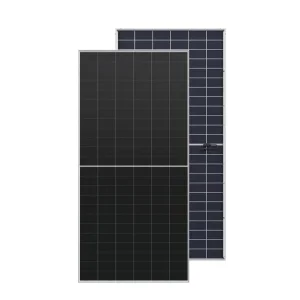
Bifacial panels generate power from both sides by absorbing direct sunlight on the front and reflected light (albedo) from the ground or roof on the back. Depending on the surface reflectance—ranging from grass (low albedo) to concrete or white roof coatings (high albedo)—bifaciality can boost overall energy generation by 10% to 30%.
Explore our high-efficiency solar modules, off-grid systems, and flexible solar designs built for global commercial and industrial applications.
 GAF Solar