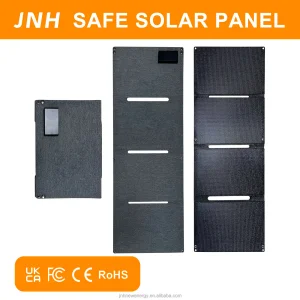
Engineered for light load tolerances, high efficiency output, and severe climate resilience across Rwandan commercial projects.
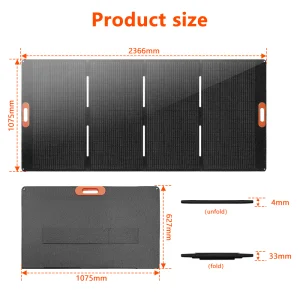
Rwanda, widely designated as the "Land of a Thousand Hills," is going through an unprecedented clean energy renaissance. Backed by the government’s National Strategy for Transformation (NST1) and Vision 2050 framework, the nation aims to secure 100% universal electricity access. Due to the country's unique topographical layout—characterized by steep mountainsides and dense rural settlements—conventional grid expansion faces massive economic and physical constraints. Consequently, decentralised off-grid systems and distributed solar infrastructures have emerged as critical vectors for regional development.
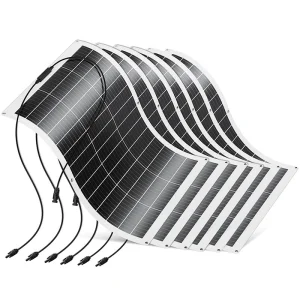
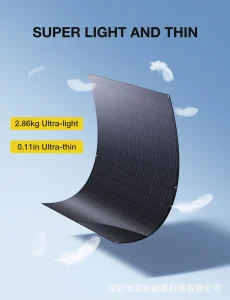
In the Commercial and Industrial (C&I) sectors of Kigali and secondary cities like Rubavu and Musanze, structural integrity is a crucial variable in engineering solar arrays. Standard utility warehouses, agro-processing facilities, and commercial centers are frequently designed with lightweight metal sheet roofs (such as corrugated iron or lightweight steel). Conventional double-glass rigid panels, weighing up to 25kg/m² once mounting frames and ballast are factored in, often exceed these roofs' structural tolerances. This is where flexible solar panels represent a critical technology shift, presenting a dead-load profile of under 3.5kg/m² and completely eliminating the need for invasive roof penetrations.
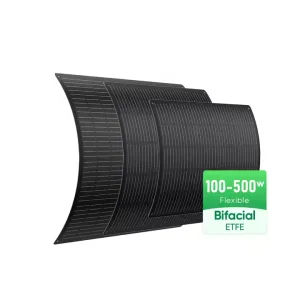
The global PV market is witnessing a swift transition toward lightweight, aerodynamic, and integrated solar solutions. Historically restricted to niche markets like marine vessels, yachts, and recreational vehicles, flexible solar technology has matured through rigorous material science breakthroughs. High-performance polymers such as ETFE (Ethylene Tetrafluoroethylene) have largely replaced fragile, easily yellowed PET materials. ETFE offers exceptional light transmittance (95%), superior self-cleaning properties, flame retardancy, and durability in high-ultraviolet environments, common in high-altitude regions.
On the cell level, the transition from basic monocrystalline cells to advanced PERC (Passivated Emitter and Rear Cell) and Heterojunction (HJT) architectures has allowed flexible panels to achieve conversion efficiencies matching traditional rigid panels—surpassing 22-23%. With the rise of Building-Integrated Photovoltaics (BIPV) and the electrification of commercial fleets, global demand for bendable, non-penetrating solar modules is scaling exponentially, prompting tier-1 Chinese manufacturers to establish automated, high-precision assembly lines specifically optimized for flexible laminates.
For Rwandan engineering firms, EPC contractors, and distributors, partnering with advanced Chinese factories like Ningbo GAF Solar Co., Ltd. offers critical supply chain advantages. The Chinese solar cluster in Ningbo integrates the entire PV value chain—from high-grade silicon processing to advanced polymer extrusion and precision laser cutting. This integration allows for rigorous quality control systems that are difficult to reproduce elsewhere.
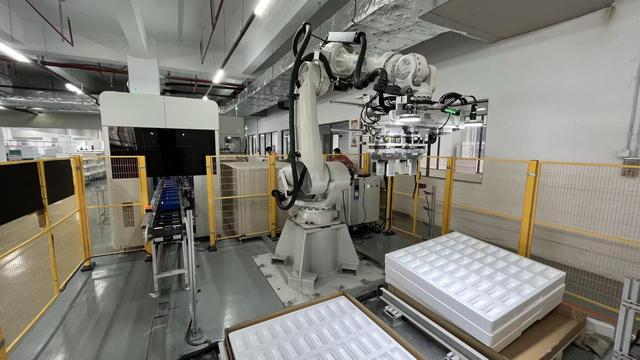
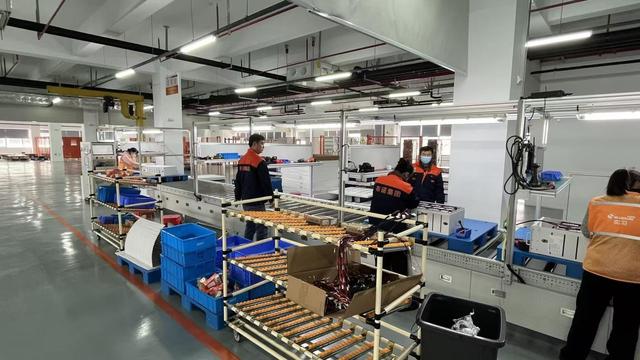
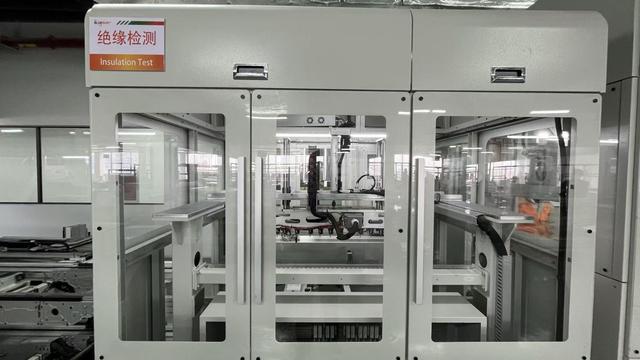
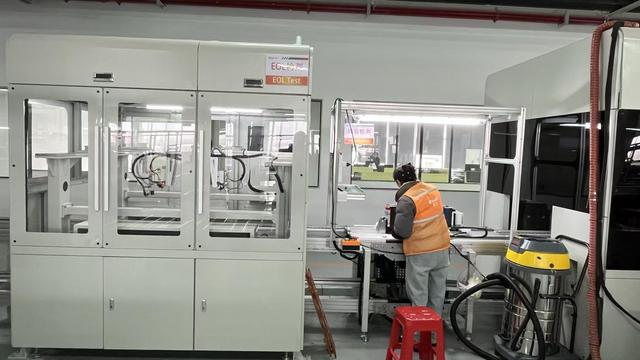
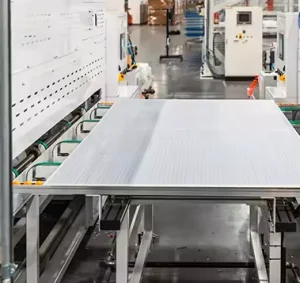
Advanced manufacturing processes for flexible solar panels require precise thermal lamination to prevent micro-cracks in the thin silicon wafers. Modern Chinese facilities leverage automated stringers, EL (Electroluminescence) testing before and after lamination, and automated optical inspections. This ensures that every shipped module is free of micro-cracks, hot spots, or delamination risks, guaranteeing long operational lifespans even in challenging environments.
How flexible photovoltaic solutions address structural, geographical, and mechanical limitations across key East African sectors.
Eliminate structural stress on lightweight steel warehouses. Flexible panels stick directly to metal profiles with heavy-duty structural adhesives, preserving the roof's waterproofing and structural integrity.
Lightweight solar arrays can be integrated directly onto mobile solar water pumps and light-frame greenhouse structures in the Eastern Province, reducing structural support costs and complexity.
With Rwanda leading Africa’s electric motorcycle transition, flexible PV modules can easily shape to curved charging hub shelters and vehicle canopies, maximizing solar capture area.
Sourcing flexible solar panels for the Rwandan market requires evaluating specific technical specifications. Rwanda’s high-altitude tropical climate features strong UV radiation indices and elevated ambient temperatures in valley areas, which can affect solar cell performance:
As ambient temperatures rise, PV cell efficiency drops. When procuring modules, look for a low Temperature Coefficient (e.g., -0.35%/°C to -0.38%/°C). This ensures that flexible panels mounted flat on rooftops maintain high output during peak sunlight hours.
Avoid low-cost PET-coated modules for commercial or industrial projects. PET (Polyethylene Terephthalate) degrades quickly under high UV exposure, causing yellowing, reduced light transmission, and delamination within 2-3 years. Premium projects should use industrial-grade ETFE (Ethylene Tetrafluoroethylene) layers, which offer a 15+ year operational life under harsh tropical sunlight.
Rwanda's hilly topography and microclimates can lead to localized clouds or tree shadows. Integrated bypass diodes in the junction box are essential. They allow current to bypass shaded sections, preventing localized hot spots and maintaining overall array power production.
Ningbo GAF Solar Co., Ltd. is a professional Solar Panel Manufacturer | Monocrystalline, Bifacial & High Efficiency PV Modules dedicated to providing reliable solar energy solutions for residential, commercial, industrial, and utility-scale applications worldwide. With a strong commitment to renewable energy innovation, the company delivers advanced photovoltaic products designed to maximize energy generation, efficiency, and long-term performance.
Based in Ningbo, China, GAF Solar operates modern manufacturing facilities equipped with advanced production technologies, automated assembly lines, and comprehensive quality control systems. The company specializes in the development and production of monocrystalline solar panels, bifacial solar modules, high-efficiency photovoltaic panels, rooftop solar solutions, commercial solar systems, industrial solar installations, and customized PV energy projects.
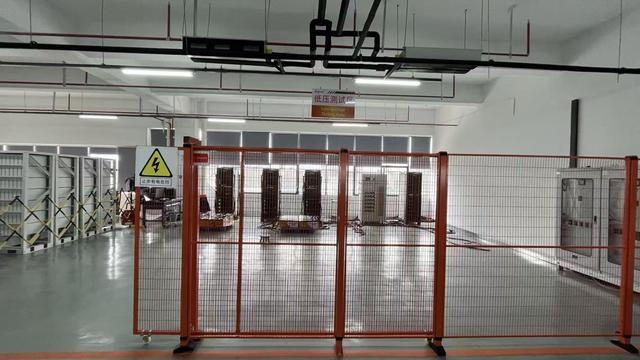
GAF Solar focuses on technological innovation and product reliability. By utilizing premium-grade solar cells, durable materials, and precision manufacturing processes, the company produces solar modules capable of delivering excellent power output, superior weather resistance, and long operational lifespans. Every product undergoes rigorous testing and quality inspections to ensure compliance with international standards and the demanding requirements of global energy markets.
In addition to manufacturing high-performance solar panels, GAF Solar offers comprehensive OEM and ODM services, supporting distributors, EPC contractors, solar developers, energy solution providers, and private-label brands. The company provides flexible customization options, professional technical support, and efficient project coordination from design and production to shipment and after-sales service.
Serving customers across North America, Europe, Southeast Asia, the Middle East, Africa, and Latin America, Ningbo GAF Solar Co., Ltd. has established a reputation for quality, reliability, and customer-focused service. Through continuous innovation and sustainable manufacturing practices, the company remains committed to accelerating the global transition toward clean, renewable energy and creating long-term value for partners around the world.
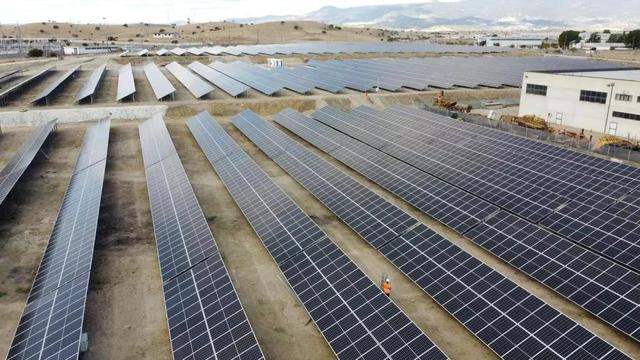
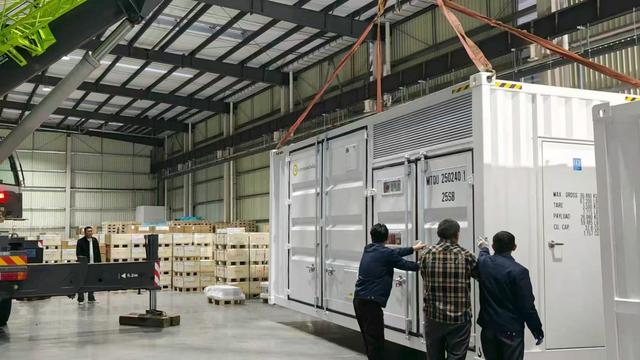
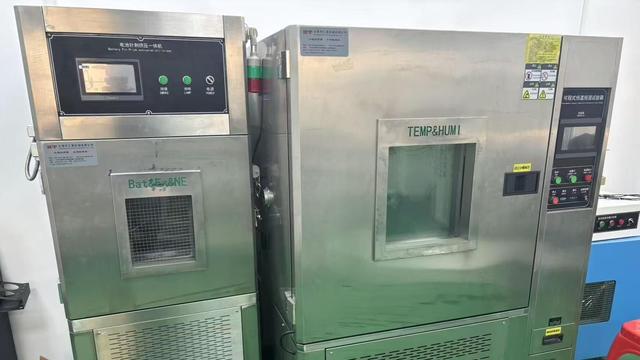
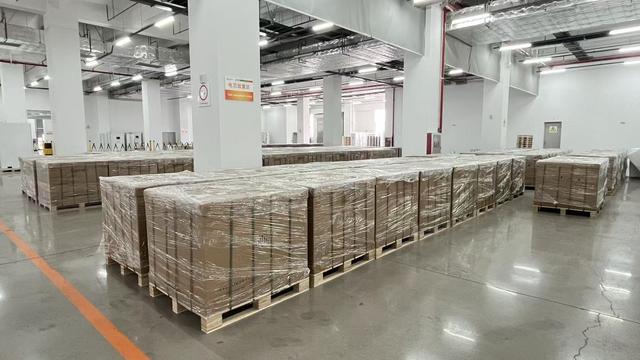
Discover our full catalog of high-efficiency, bendable, and lightweight PV products designed for flexible deployment configurations.
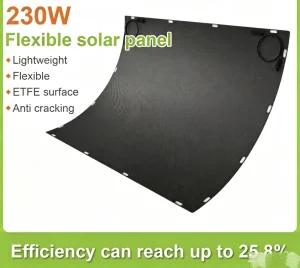
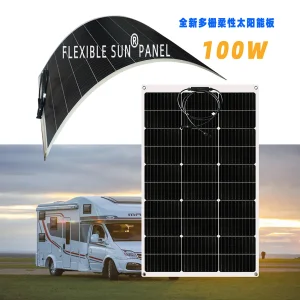
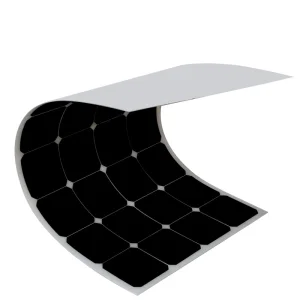
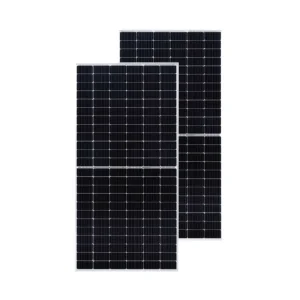
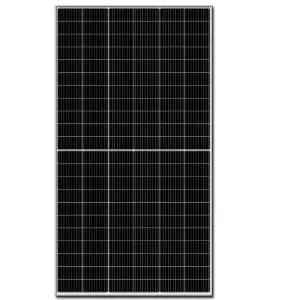
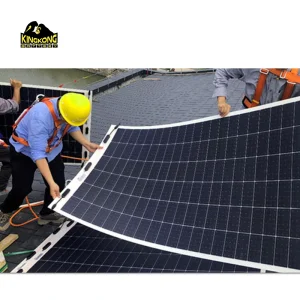
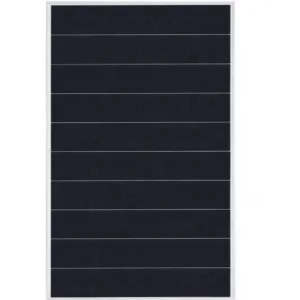
Flexible modules weigh roughly 2-3 kg/m², representing an 85% weight savings compared to rigid glass PV structures. They can be installed directly onto commercial sheet roofs using structural adhesives, avoiding invasive drilling. This prevents rainwater leakage—a key consideration during Rwanda's rainy seasons.
At higher elevations, solar irradiance levels and UV index values increase. Standard panels can suffer from faster degradation and heat-induced voltage drop. High-quality monocrystalline cells paired with UV-resistant ETFE top layers maintain performance longer, showing minimal degradation compared to low-cost PET alternatives.
We recommend structural silicone adhesives or high-tack acrylic double-sided structural tapes (such as 3M VHB series) rated for high thermal expansion. The mounting surface must be thoroughly cleaned of oxidation and dust prior to installation to ensure a long-lasting bond.
Shipments generally depart from Ningbo Port in China and travel to either Dar es Salaam (Tanzania) or Mombasa (Kenya). From there, goods are transported via the Central or Northern Corridor overland routes to Kigali. Our logistics team handles all commercial invoicing, bill of lading documentation, and certificate verification.
Yes. Our flexible solar panels operate electrically like standard rigid PV modules. They are compatible with conventional MPPT charge controllers, lithium-ion battery banks, and hybrid off-grid or grid-tied inverter systems commonly installed in East African configurations.
 GAF Solar