Engineered to excel in tropical coastal environments, combining extreme flexibility, lightweight profiles, and cutting-edge monocrystalline cell technologies.
An analytical breakdown of East Timor's unique geographic and infrastructure challenges, and why traditional rigid PV cannot fulfill its decentralized solar potential.
Understanding the Local Grid & Geographic Realities of Timor-Leste
Timor-Leste (East Timor), spanning the eastern half of the island of Timor, is marked by rugged, mountainous terrains and an extensive tropical coastline. While the national utility, Electricidade de Timor-Leste (EDTL), has expanded coverage in urban centers like Dili, Baucau, and Liquiçá, remote mountain sucos (villages) and outer islands such as Atauro and Oecusse struggle with grid instability, high diesel transportation costs, and frequent power outages. Traditional energy structures rely heavily on imported heavy fuel oil (HFO), exposing local industries to price volatility.
In this climate, solar energy presents a massive structural opportunity. Timor-Leste enjoys rich solar irradiance, averaging between 5.5 to 6.5 kWh/m²/day. However, installing conventional glass-tempered, heavy-framed solar panels presents major structural obstacles. Mountainous road infrastructure limits the transport of fragile glass panels. Furthermore, many rural structures, municipal facilities, and seaside eco-tourism resorts possess lightweight roofs, sheet-metal shelters, or curved surfaces that cannot support the structural dead load of heavy steel framing and rigid PV arrays.
Why Flexible PV is the Key Technology Driver for Timor-Leste
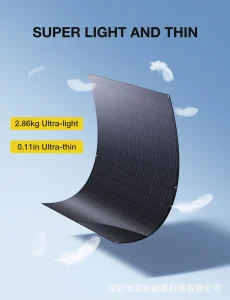
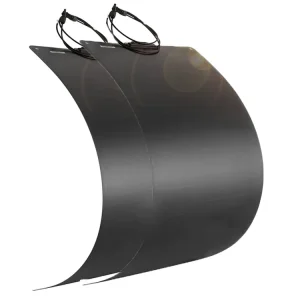
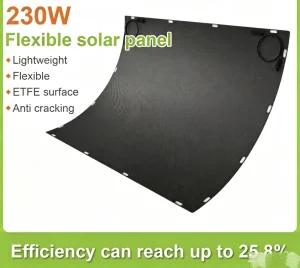
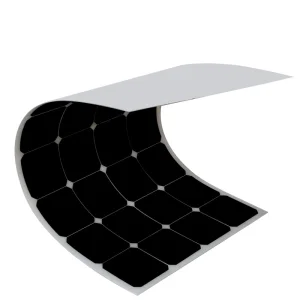
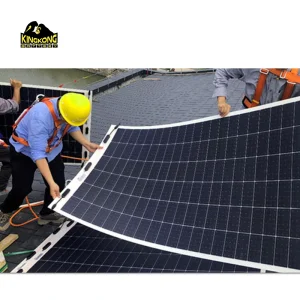
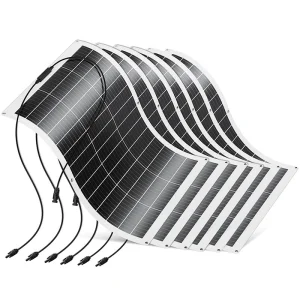
Flexible solar panels, manufactured with advanced fluoropolymer materials (such as ETFE) and high-efficiency monocrystalline or CIGS (Copper Indium Gallium Selenide) thin-film cells, eliminate these physical barriers. Weighing up to 70% less than conventional panels, they can be directly adhered to roofs without structural reinforcement, heavy aluminum racks, or wind-vulnerable ballast systems.
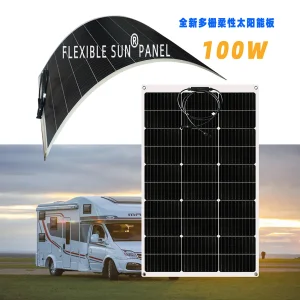
Moreover, Timor-Leste is vulnerable to tropical cyclones and severe monsoon seasons. Rigid racking systems act as sails under high wind speeds, creating dangerous aerodynamic lift. Flexible panels, on the other hand, lie completely flat and aerodynamic against mounting surfaces, significantly reducing wind resistance and surviving high-velocity wind loads. Their resilience to marine salt spray makes them perfect for coastal micro-grids, fisheries, and remote marine observation stations.
How technological leaps in advanced polymer encapsulation and raw material synthesis are transforming thin-film and lightweight PV globally.
Modern global flexible solar factories have phased out cheap PET/TPT films in favor of premium ETFE (Ethylene Tetrafluoroethylene). ETFE features high light transmittance (95%), self-cleaning properties, flame resistance, and structural stability against high UV radiation typical of equatorial markets.
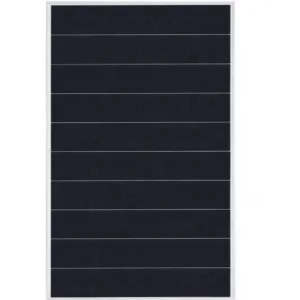
Previously, flexible solar modules suffered from low conversion efficiencies. Through the integration of sliced monocrystalline PERC (Passivated Emitter and Rear Cell) or shingled cell arrangements, modern factories achieve conversion efficiencies over 22-23%, matching rigid modules.
Due to highly automated lines in industrial manufacturing hubs like Ningbo, China, the global cost of flexible PV has dropped significantly. This allows direct shipping and localized deployment in emerging economies, circumventing expensive on-site mounting labor.
Where flexible solar panel technology delivers maximum economic and structural advantages across East Timor.
Timor-Leste's local fisheries and transportation boats connecting Dili with Atauro Island require onboard power for refrigeration, GPS, and communication. Rigid panels crack under structural strain and vibrate on rough waters. Adhesive marine flexible panels contour to boat decks, providing continuous power with zero wind load or mechanical failure risks.
In agriculture-dense districts like Ermera and Aileu, solar-powered water pumps and soil monitoring stations are often deployed in inaccessible, steep areas. Light flexible panels can be backpacked by installers and hung on simple poles or curved structure skins, avoiding massive concrete base works and structural framing transportation challenges.
In regions like Jaco Island or Tutuala, eco-tourism projects prioritize low-impact, aesthetic construction. Flexible PV panels adhere seamlessly to traditional thatched roofs or curved canvas tents, integrating clean energy generation without disrupting local architectural aesthetics or harming the environment.
Integrated architectural designs and smart microgrid infrastructure optimized for national energy security programs.
For government buildings, schools, and hospitals in Dili, BIPV offers a clean avenue to carbon neutrality. Standard retrofitting often strains aging building beams. By utilizing ultra-thin adhesive flexible modules, municipalities can transform vertical walls, metal roofs, and windows into clean power stations without altering structural loads. This keeps the aesthetic clean while ensuring storm durability.
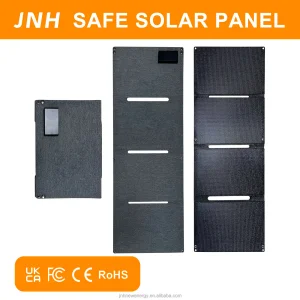
Establishing clean microgrids in remote mountainous areas requires highly resilient setups. Our custom flexible panels integrate seamlessly with battery systems (LiFePO4) and intelligent inverters to form off-grid micro-utilities. In remote areas where roads cannot handle heavy equipment, our compact modules can be rapidly flown in or carried over mountainous passes.
Ningbo GAF Solar Co., Ltd. is a leading global solar PV manufacturer delivering monocrystalline, bifacial, and high-efficiency modules.
Ningbo GAF Solar Co., Ltd. is a professional Solar Panel Manufacturer | Monocrystalline, Bifacial & High Efficiency PV Modules dedicated to providing reliable solar energy solutions for residential, commercial, industrial, and utility-scale applications worldwide. With a strong commitment to renewable energy innovation, the company delivers advanced photovoltaic products designed to maximize energy generation, efficiency, and long-term performance.
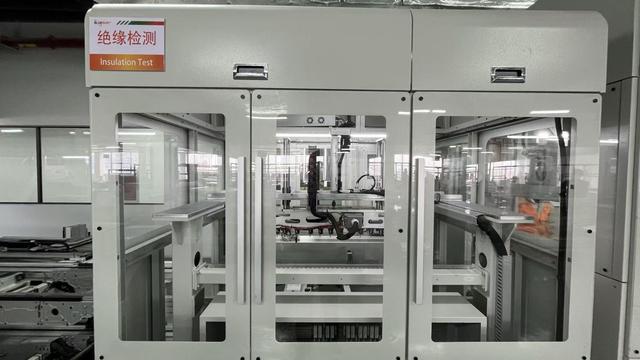
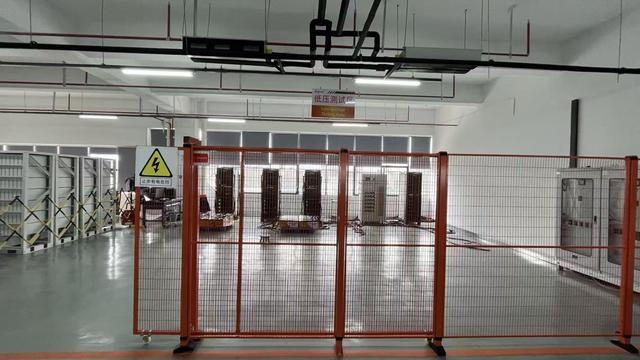
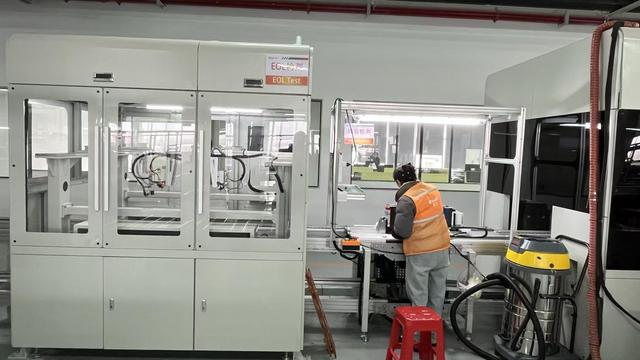
Based in Ningbo, China, GAF Solar operates modern manufacturing facilities equipped with advanced production technologies, automated assembly lines, and comprehensive quality control systems. The company specializes in the development and production of monocrystalline solar panels, bifacial solar modules, high-efficiency photovoltaic panels, rooftop solar solutions, commercial solar systems, industrial solar installations, and customized PV energy projects.
GAF Solar focuses on technological innovation and product reliability. By utilizing premium-grade solar cells, durable materials, and precision manufacturing processes, the company produces solar modules capable of delivering excellent power output, superior weather resistance, and long operational lifespans. Every product undergoes rigorous testing and quality inspections to ensure compliance with international standards and the demanding requirements of global energy markets.
In addition to manufacturing high-performance solar panels, GAF Solar offers comprehensive OEM and ODM services, supporting distributors, EPC contractors, solar developers, energy solution providers, and private-label brands. The company provides flexible customization options, professional technical support, and efficient project coordination from design and production to shipment and after-sales service.
Serving customers across North America, Europe, Southeast Asia, the Middle East, Africa, and Latin America, Ningbo GAF Solar Co., Ltd. has established a reputation for quality, reliability, and customer-focused service. Through continuous innovation and sustainable manufacturing practices, the company remains committed to accelerating the global transition toward clean, renewable energy and creating long-term value for partners around the world.
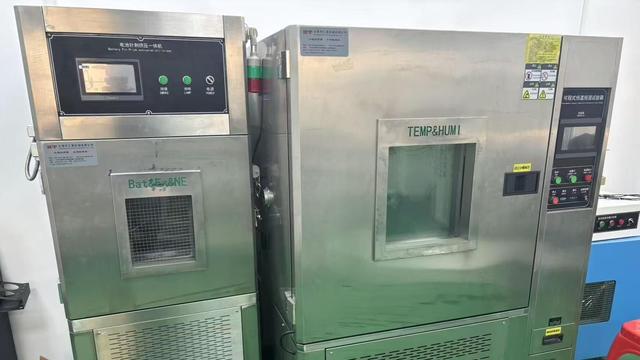
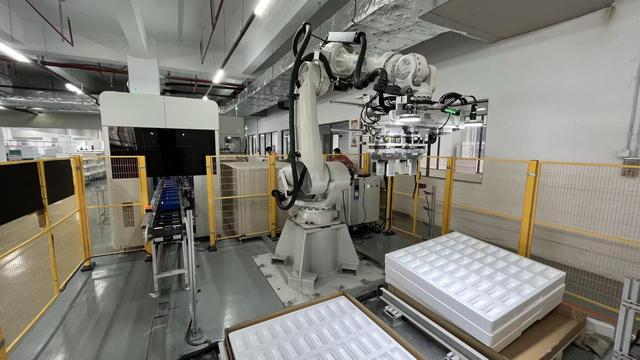
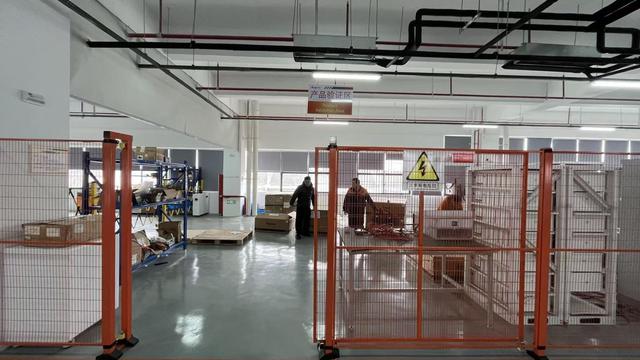
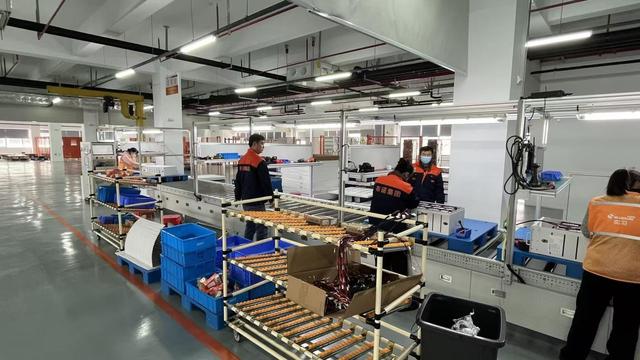
Ensuring seamless international quality standard compliance and reliable supply chains to Dili and outer districts.
All shipped modules carry TUV, CE, FCC, and RoHS certifications. We ensure full compliance with the import standards regulated by the Autoridade Nacional do Petróleo e Minerais (ANPM) of Timor-Leste, making commercial approvals clean and fast.
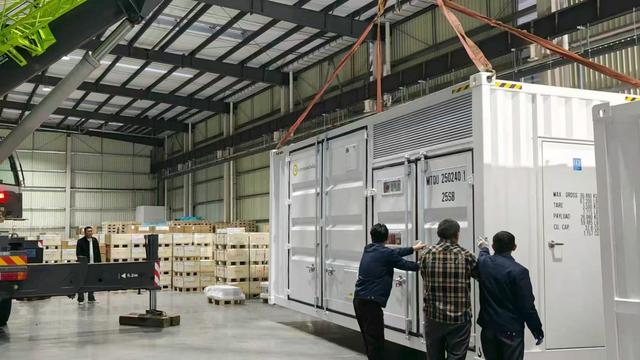
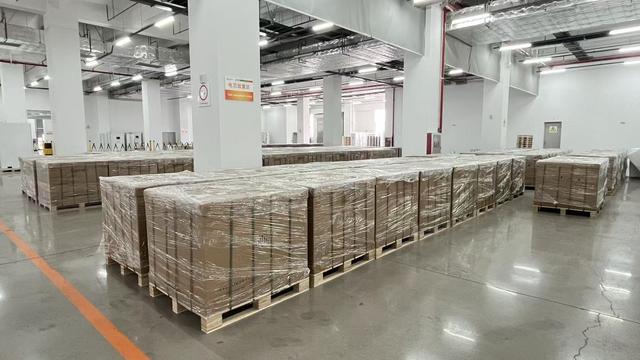
We coordinate reliable containerized shipping routes from Ningbo Port directly to the new deepwater Tibar Bay Port (Dili). To secure remote project sites, we organize secondary overland trucking routes to Baucau, Viqueque, and Bobonaro.
Our tech support provides online structural layout simulations, electrical wiring diagram design, and adhesive application instructions tailored to withstand the high humidity and high wind loads typical of East Timor's coastal zones.
Anticipating next-generation efficiency milestones and sustainable material designs for the solar industry.
Next-Generation Perovskite-Silicon Tandem Cells
The global R&D team at GAF Solar is monitoring and developing methods to integrate Perovskite-Silicon tandem technology into flexible structures. By capturing broader spectrum bands of sunlight, conversion efficiencies are projected to surpass 28% within the next three to five years. For space-constrained projects in urban centers like Dili, this will dramatically increase power outputs per square meter.
Carbon-Neutral Manufacturing Processes
In accordance with international ESG guidelines, GAF Solar is moving toward carbon-neutral supply lines. This transition includes using recycled fluoropolymer substrates, reducing water usage, and generating factory power with high-capacity rooftop solar microgrids. Our goal is to ensure the modules supplied to Timor-Leste are truly sustainable throughout their entire lifecycle.
Deep Sea & Off-Shore Floating Arrays
As coastal communities in Timor-Leste face rising sea levels and land constraints, the industry is shifting toward floating marine PV grids. Next-gen flexible panels will utilize ultra-hydrophobic backsheets and anti-salt-corrosion junctions. These technologies allow panels to rest directly on water pontoon structures, resisting persistent ocean swells and intense storm surges.
Integrated Storage Battery Compatibility
We are optimizing our flexible solar modules to align with the latest Smart Lithium Ferro-Phosphate (LFP) energy storage systems. By incorporating modular plug-and-play connections, installation crews can set up off-grid arrays in minutes, allowing rural agricultural stations to access stable, clean AC power immediately.
Select and customize the perfect system from our comprehensive lineup, optimized for commercial, residential, and marine projects in Timor-Leste.
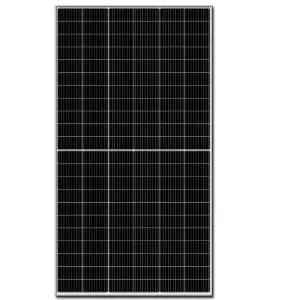
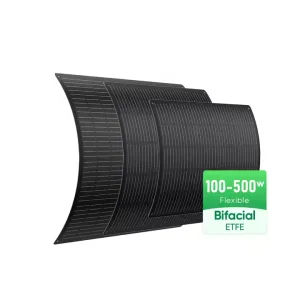
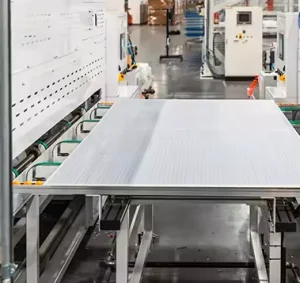
Expert responses addressing technical questions, warranty queries, and logistical concerns for buyers in East Timor.
Our high-efficiency monocrystalline cells are encapsulated with premium ETFE layers that feature a low thermal coefficient. This design maintains power outputs even during high midday temperatures in Dili. Additionally, the thin-film profile allows for heat dissipation through direct contact with metal roofs, reducing performance degradation compared to older PET-based panels.
Yes. Our flexible solar panels are rated IP68 and certified for high resistance to salt mist and ammonia corrosion. They are built for marine use, featuring a sealed junction box and corrosion-resistant backsheets. This makes them ideal for installation on coastal rooftops, fishing boats, and floating pontoons.
They can be installed using two main methods: premium industrial double-sided structural adhesive (which bonds the panel directly to metal or concrete roofs without penetrations) or by utilizing the pre-punched metal eyelets. The eyelet design is perfect for tying panels onto canvas tents, curved structures, or securing them to vehicle frames.
Standard ocean freight from Ningbo Port to Tibar Bay Port (Dili) typically ranges from 18 to 25 days, depending on shipping line schedules. Once cleared, we work with local logistics partners to dispatch the consignments to all municipalities, including remote mountainous regions.
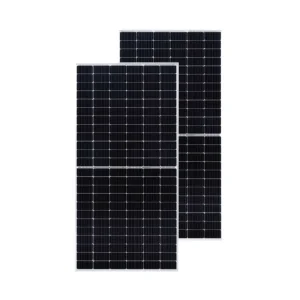
We provide a 5-year workmanship warranty and a 10-year linear power output warranty guaranteeing at least 80% output. For our specialized commercial flexible products (such as our 550W PERC lines), we offer extended warranties comparable to rigid glass modules, backed by strict factory quality control inspections.
 GAF Solar