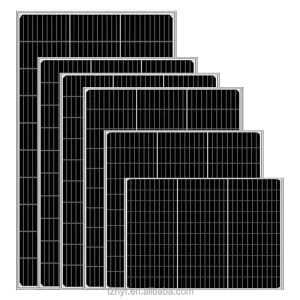
High-capacity monocrystalline solar panels engineered for superior performance, extreme weather resilience, and maximum power generation in Rajshahi and global markets.
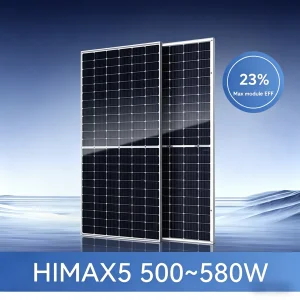
Exploring the strategic transition towards sustainable green power within the northern economic hub of Bangladesh.
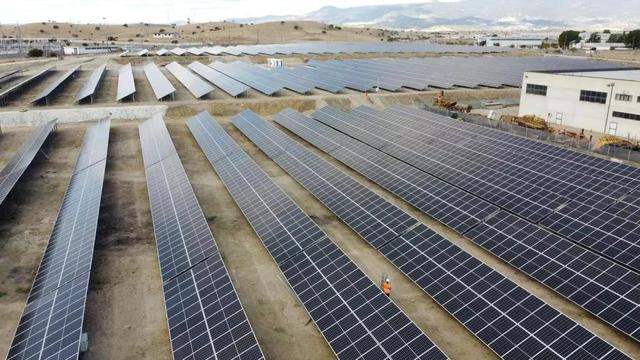
Rajshahi, traditionally recognized as the agricultural powerhouse and silk capital of Bangladesh, is undergoing a profound structural shift toward industrialization. The division boasts immense solar irradiance potential, rendering it a highly strategic territory for the deployment of localized photovoltaic power systems. As conventional energy networks face fluctuating stability and escalating tariff grids, local enterprises—ranging from cold storage units to manufacturing mills—increasingly pivot toward integrated commercial solar installations to buffer operational expenses and sustain manufacturing cycles.
By utilizing high-performance monocrystalline modules and customized energy configurations, operators can reduce dependence on coal-intensive grids, directly lining up with Bangladesh's national target of sourcing substantial energy portions from renewable streams. The localized deployment of heavy-duty, high-wattage modules provides the necessary baseline power to offset the continuous load demands of Rajshahi's expanding industrial parks.
The northern plains of Bangladesh regularly face extreme temperature swings, dry-dust seasons, and monsoon-associated humidity spikes. Standard PV modules suffer from severe power degradation under high ambient temperatures. Our high-efficiency monocrystalline solar panels are designed with advanced temperature coefficients, lowering performance loss even in thermal peaks exceeding 40°C.
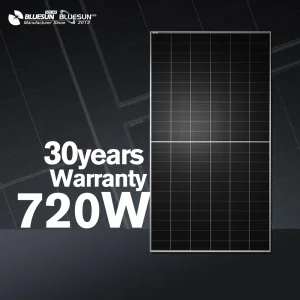
Additionally, our heavy-duty double-glass construction provides superior mechanical resistance to withstand localized wind loads and physical impacts. This specialized material structure eliminates issues of cell microcracking, moisture intrusion, and potential-induced degradation (PID), securing consistent energy generation over a verified 30-year operational lifecycle.
Integrating high-wattage N-Type solar panels dramatically decreases Balance of System (BOS) costs. By requiring fewer structural mounts, electrical cables, and installation hours to reach target capacity, local industrial operations can realize up to an 18% reduction in initial capital expenditures, accelerating investment recovery and lowering overall LCOE metrics.
Deciphering the critical performance benchmarks and compliance frameworks demanded by international EPCs and developers.
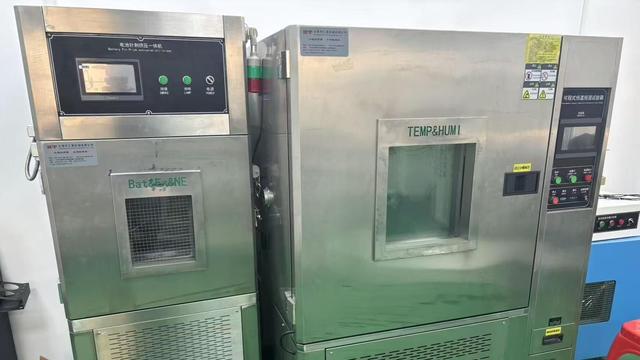
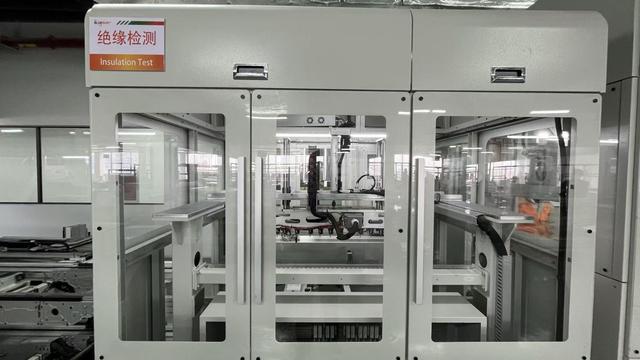
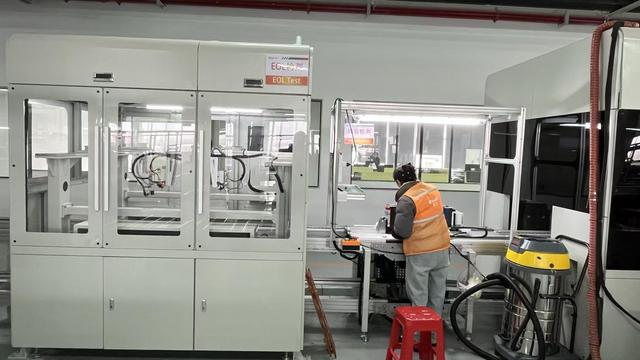
International financing bodies demand Tier 1 manufacturer status and rigid, traceable quality controls. Implementing automated testing routines—such as dual EL (Electroluminescence) inspections, high-pot testing, and strict flash-tester calibrations—guarantees that every shipped unit complies with systemic specifications, reducing financial risks for project developers.
Procurement channels require complete transparency concerning source silicon material, ingot-wafer manufacturing locations, and assembly lines. We provide comprehensive tracking dossiers for raw-material origin, meeting all regulatory mandates across North America, Europe, and Asia-Pacific regions.
To facilitate rapid grid integration and commercial compliance, GAF solar products carry certifications from recognized international bodies, including CE, TUV, IEC 61215, IEC 61730, and UL standards. This ensures high-voltage safety compliance up to 1500V systems.
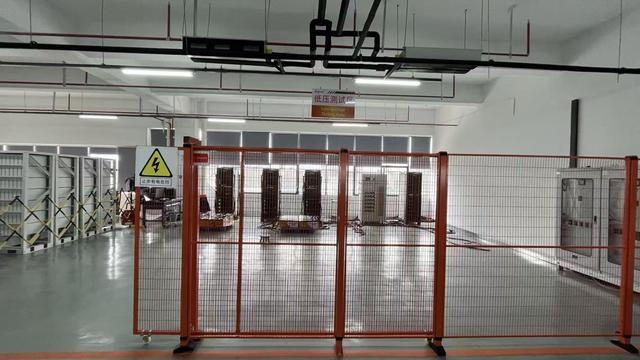
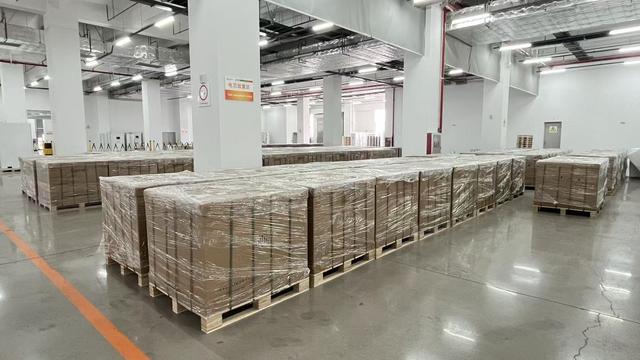
Visualizing GAF Solar's engineering capabilities and global commercial footprint.
An authoritative analysis of advanced PV topologies and structural innovations driving higher yield yields.
The solar landscape has evolved rapidly from standard P-Type PERC cells to advanced N-Type architectures. N-Type Tunnel Oxide Passivated Contact (TOPCon) technology leverages an ultra-thin silicon oxide layer combined with heavily doped polycrystalline silicon. This reduces surface recombination losses, allowing commercial conversion efficiencies to surpass 23%.
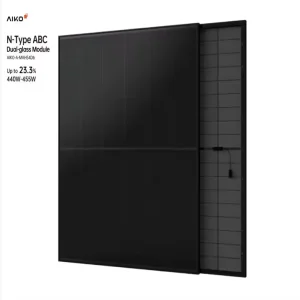
Additionally, ABC (All-Back Contact) configurations place all electrical grid contacts on the reverse side of the cell. This design eliminates front-side busbar shading, maximizes active solar collection areas, and creates an aesthetic all-black profile ideal for architectural integration (BIPV) and modern residential designs.
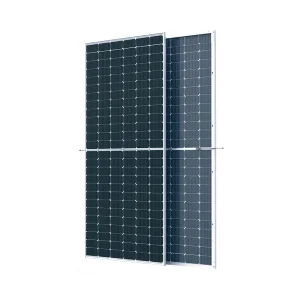
Bifacial modules capture solar energy from both the front and rear surfaces. Incorporating high-durability double-glass packaging allows these modules to harvest light reflected from the ground (albedo). Depending on the installation surface—such as concrete, sand, or white membrane coatings—bifacial gains can increase overall energy yields by 10% to 30%.
| Cell Technology Type | Avg. Efficiency Range | Bifaciality Factor | First-Year Degradation | Temperature Coefficient |
|---|---|---|---|---|
| N-Type TOPCon | 22.5% - 23.2% | 80% ± 5% | < 1.0% | -0.30% / °C |
| ABC (All-Back Contact) | 23.0% - 24.0% | N/A (Mono-facial / Specialized) | < 1.0% | -0.29% / °C |
| P-Type PERC | 20.5% - 21.8% | 70% ± 5% | < 2.0% | -0.35% / °C |
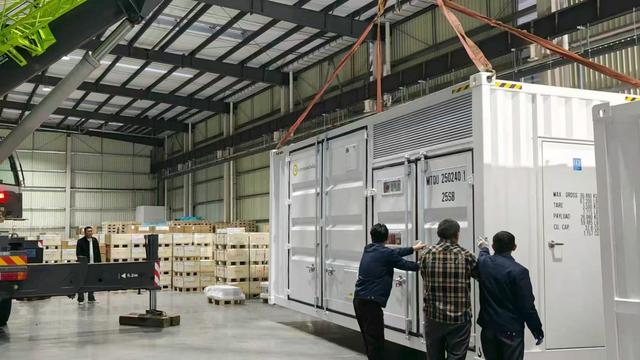
Integrating energy storage systems (ESS) with high-efficiency solar arrays provides industrial users with a reliable off-grid or hybrid power source. Automated energy management systems monitor load profiles in real-time, executing peak shaving, load shifting, and emergency backup protocols. These integrated solutions secure delicate manufacturing machinery from voltage drops, grid blackouts, and utility surcharges.
A premier solar panel manufacturer and exporter delivering high-performance PV solutions globally.
Ningbo GAF Solar Co., Ltd. is a professional Solar Panel Manufacturer | Monocrystalline, Bifacial & High Efficiency PV Modules dedicated to providing reliable solar energy solutions for residential, commercial, industrial, and utility-scale applications worldwide. With a strong commitment to renewable energy innovation, the company delivers advanced photovoltaic products designed to maximize energy generation, efficiency, and long-term performance.
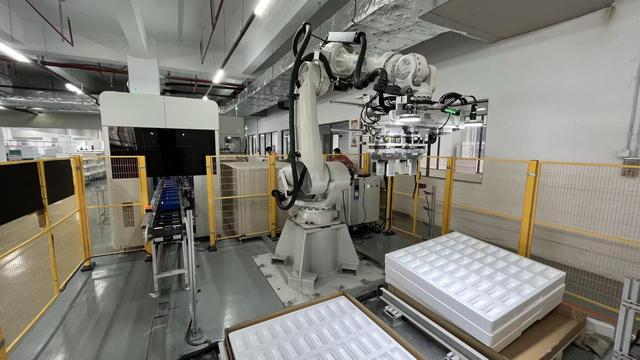
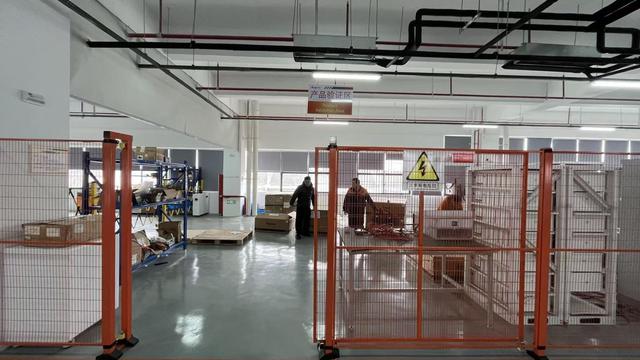
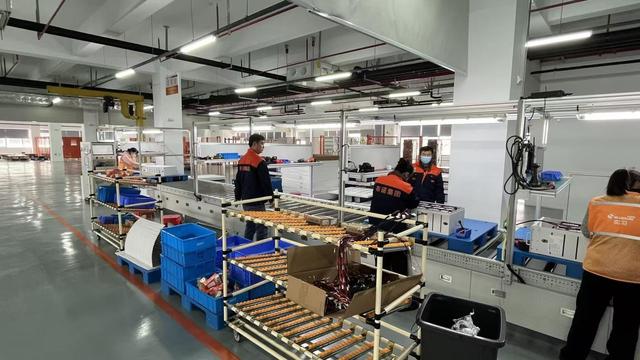
Based in Ningbo, China, GAF Solar operates modern manufacturing facilities equipped with advanced production technologies, automated assembly lines, and comprehensive quality control systems. The company specializes in the development and production of monocrystalline solar panels, bifacial solar modules, high-efficiency photovoltaic panels, rooftop solar solutions, commercial solar systems, industrial solar installations, and customized PV energy projects.
GAF Solar focuses on technological innovation and product reliability. By utilizing premium-grade solar cells, durable materials, and precision manufacturing processes, the company produces solar modules capable of delivering excellent power output, superior weather resistance, and long operational lifespans. Every product undergoes rigorous testing and quality inspections to ensure compliance with international standards and the demanding requirements of global energy markets.
In addition to manufacturing high-performance solar panels, GAF Solar offers comprehensive OEM and ODM services, supporting distributors, EPC contractors, solar developers, energy solution providers, and private-label brands. The company provides flexible customization options, professional technical support, and efficient project coordination from design and production to shipment and after-sales service.
Serving customers across North America, Europe, Southeast Asia, the Middle East, Africa, and Latin America, Ningbo GAF Solar Co., Ltd. has established a reputation for quality, reliability, and customer-focused service. Through continuous innovation and sustainable manufacturing practices, the company remains committed to accelerating the global transition toward clean, renewable energy and creating long-term value for partners around the world.
Navigating the local policy framework, solar standards, and net-metering schemes in Bangladesh.
Deploying commercial solar projects in Rajshahi requires strict alignment with the standards outlined by the Sustainable and Renewable Energy Development Authority (SREDA) of Bangladesh. The country’s net-metering policy provides a highly profitable avenue for industrial and commercial consumers to feed surplus electricity back into the national grid via local distribution agencies like NESCO (Northern Electricity Supply Company).
To qualify for these net-metering benefits, installed solar infrastructure must pass precise safety and grid stability inspections. Our high-efficiency systems feature compliant inverter interfaces, rapid shutdown capabilities, and reverse-power protection circuits. By matching these strict technical regulations, we enable local businesses to seamlessly integrate their installations and capture the full ROI potential of net-metering policies.
By connecting to the local grid with a net-metering setup, commercial operations can offset up to 40% of their monthly utility costs. Excess power generated during high-sunlight hours is fed back into the grid, creating energy credits that offset grid power consumption during high-tariff evening periods.
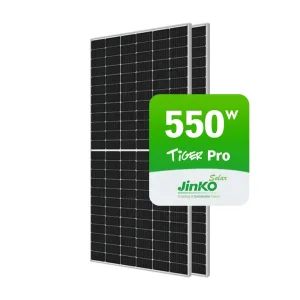
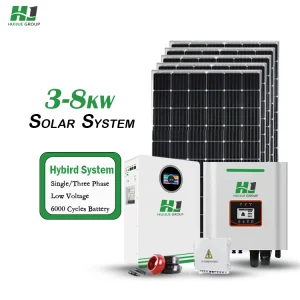
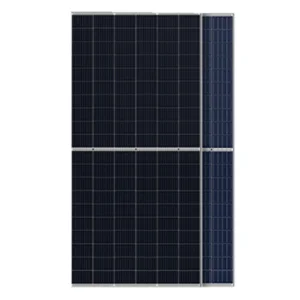
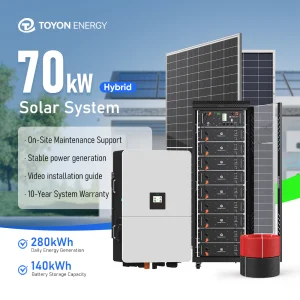
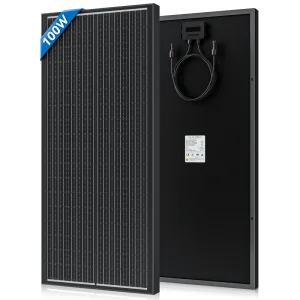
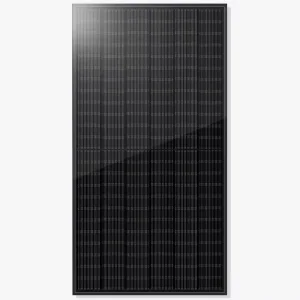
From heavy-duty utility-scale N-type panels to residential solar storage kits, explore our full product range engineered for Rajshahi and global solar installations.
Technical clarifications on sourcing, product warranties, cell technologies, and regional installation in Rajshahi.
N-Type TOPCon (Tunnel Oxide Passivated Contact) panels provide a higher conversion efficiency (exceeding 23%), a superior bifaciality factor (up to 85%), and lower power degradation rates. They exhibit minimal first-year degradation (less than 1%) and an optimized temperature coefficient, making them highly effective in hot climates like Rajshahi.
We utilize double-glass construction, premium encapsulants (POE), and high-grade monocrystalline silicon. This dual-glass architecture shields cells from humidity, salt mist, and mechanical stress, enabling us to guarantee a linear output rating of over 87.4% of original power output at year 30.
Yes, all GAF Solar exported modules comply with IEC 61215 and IEC 61730 international standards, which are recognized by SREDA. Our configurations support grid-tie inverters and smart-meter setups required by regional utilities like NESCO in Rajshahi.
Depending on order volume and level of customization (OEM/ODM options), typical manufacturing timelines range between 15 to 25 days. Shipments are handled via the Port of Ningbo, transit directly to Chittagong or Mongla Port, and are transported inland to Rajshahi via secure rail or road corridors.
The extent of bifacial energy gain depends on ground reflectivity (albedo). Placing modules over light concrete surfaces, gravel paths, or specialized membranes reflects more light onto the rear side of the panel, yielding up to an additional 25% of electricity output compared to single-sided arrays.
 GAF Solar