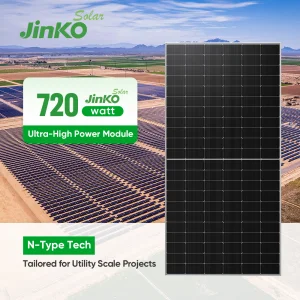
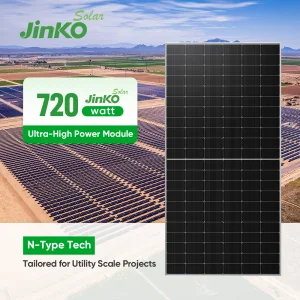
Our premium high-yield PV modules pre-engineered with enhanced anti-corrosive frames and PID-resistant backsheets optimized specifically for high UV and saline island environments.
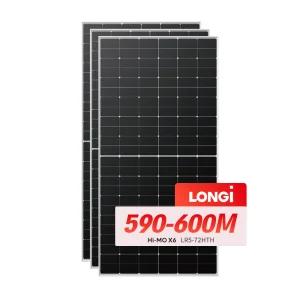
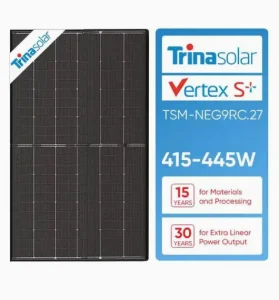
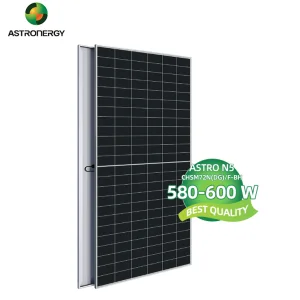
Navigating High Salinity, Isolation, and the Quest for Energy Autonomy in the Central Pacific
Kiribati, a nation consisting of 32 atolls and one raised coral island (Banaba), spans across a massive oceanic territory in the central Pacific. Historically, the country has been heavily dependent on imported petroleum products to run generators. This reliance translates to electricity generation costs that are among the highest globally, often exceeding $0.45 to $0.60 USD per kilowatt-hour (kWh). This severe economic burden is exacerbated by logistical complexities and the vulnerability of maritime supply routes supplying oil to remote locations like South Tarawa and Kiritimati.
To counter these challenges, the Government of Kiribati introduced the Kiribati Integrated Energy Roadmap (KIER), aiming to transition the nation's grid towards a target of over 50% renewable energy penetration. Industrial operations, including desalination facilities, fish cold storage centers, and copra processing mills, are transitioning rapidly to distributed solar photovoltaic (PV) and battery storage systems (BESS). However, implementing solar infrastructure in Kiribati requires addressing severe environmental conditions.
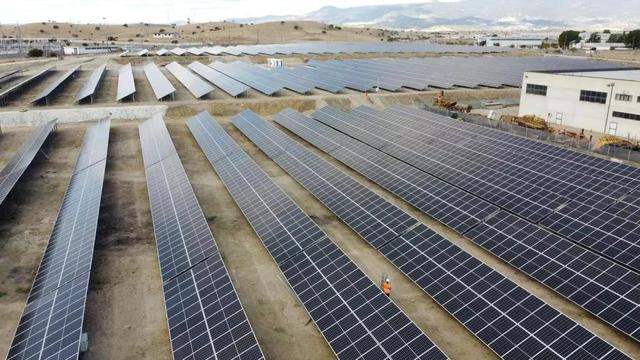
Designing utility and commercial solar installations in Kiribati presents distinct environmental challenges. Coastal proximity exposes solar hardware to constant high-salinity air. Regular solar panels risk rapid galvanic corrosion of aluminum frames, degradation of copper-interconnects within ribbon wire, and potential induced degradation (PID) accelerated by persistent relative humidity exceeding 80%.
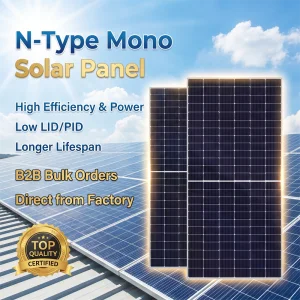
Furthermore, equatorial islands face high ambient temperatures. This makes a module's temperature coefficient of Pmax vital. Standard modules degrade in performance as cell temperatures rise. By utilizing premium N-Type TOPCon and HJT cells with temperature coefficients of -0.30%/°C or better, our systems produce up to 3-5% more energy daily than standard P-type PERC panels in the high-heat conditions of Tarawa.
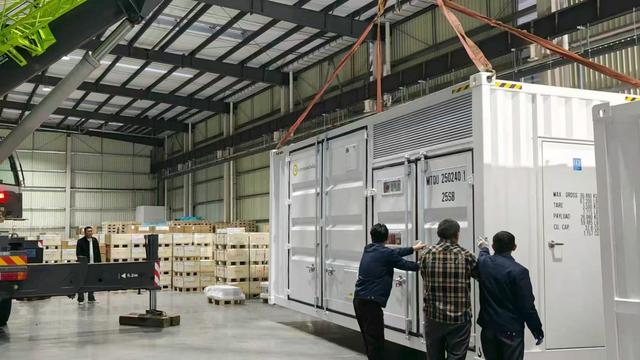
Advanced materials science and structural optimization to ensure decades of low-maintenance operation.
At Ningbo GAF Solar Co., Ltd., we understand that remote island regions cannot easily replace degraded PV components. Shipments take months, and maintenance teams are limited. Therefore, we emphasize Information Gain and durability when exporting modules to Kiribati.
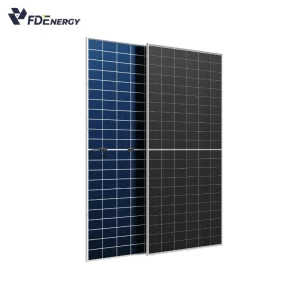
By transitioning our product designs to Double-Glass Bifacial architectures, we utilize glass-to-glass encapsulation instead of polymer backsheets. This completely eliminates the threat of moisture ingress, which is the primary cause of internal busbar corrosion and yellowing in tropical zones. Furthermore, our bifacial modules capture reflected albedo light from white sandy shores, coral ground covers, and rooftop surfaces, increasing total energy output by up to 25% compared to single-sided panels.
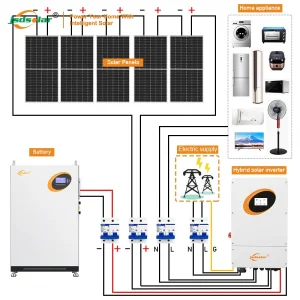
When coupled with off-grid battery backup systems (BESS), our microgrid solutions allow remote copra mills, municipal water purifiers, and commercial buildings to achieve uninterrupted energy independence, isolating them from mainland grid issues and rising fuel costs.
Customized off-grid and grid-tied systems designed for high-density maritime energy demands.
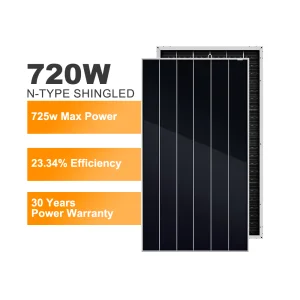
Fresh water is scarce on atolls. Reverse osmosis (RO) units require continuous power. Integrating our 720W bifacial dual-glass systems ensures a highly reliable power source to run water filtration, reducing production costs per liter.
Fisheries are crucial to the Kiribati economy. Interrupted cold chain storage can ruin exports. Our hybrid solar-plus-storage solutions offer micro-grid backup to keep refrigeration systems running, avoiding reliance on local grid fluctuations.
Copra production is the primary livelihood across outer islands. Off-grid industrial setups run processing machinery during daylight hours directly from solar arrays, minimizing expensive fuel consumption in remote agricultural zones.
Global Clean Energy Manufacturer Dedicated to Regional Partnerships
Ningbo GAF Solar Co., Ltd. is a professional Solar Panel Manufacturer | Monocrystalline, Bifacial & High Efficiency PV Modules dedicated to providing reliable solar energy solutions for residential, commercial, industrial, and utility-scale applications worldwide. With a strong commitment to renewable energy innovation, the company delivers advanced photovoltaic products designed to maximize energy generation, efficiency, and long-term performance.
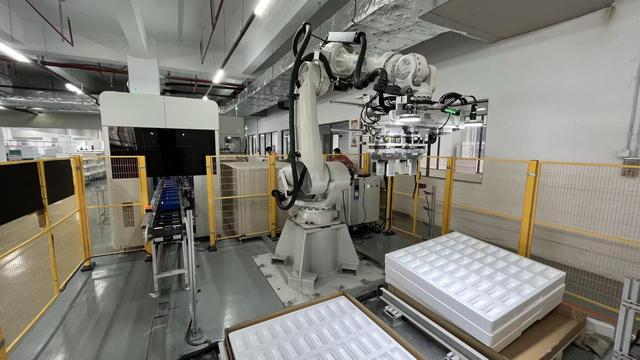
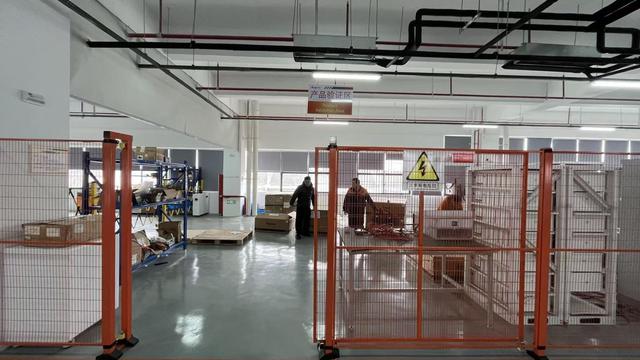
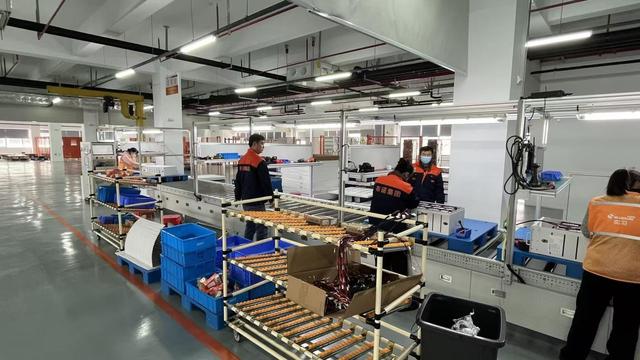
Based in Ningbo, China, GAF Solar operates modern manufacturing facilities equipped with advanced production technologies, automated assembly lines, and comprehensive quality control systems. The company specializes in the development and production of monocrystalline solar panels, bifacial solar modules, high-efficiency photovoltaic panels, rooftop solar solutions, commercial solar systems, industrial solar installations, and customized PV energy projects.
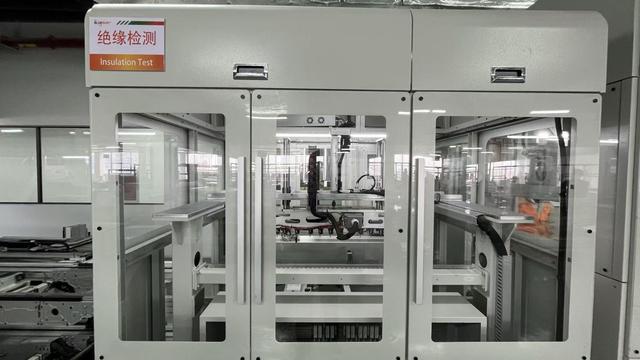
GAF Solar focuses on technological innovation and product reliability. By utilizing premium-grade solar cells, durable materials, and precision manufacturing processes, the company produces solar modules capable of delivering excellent power output, superior weather resistance, and long operational lifespans. Every product undergoes rigorous testing and quality inspections to ensure compliance with international standards and the demanding requirements of global energy markets.
In addition to manufacturing high-performance solar panels, GAF Solar offers comprehensive OEM and ODM services, supporting distributors, EPC contractors, solar developers, energy solution providers, and private-label brands. The company provides flexible customization options, professional technical support, and efficient project coordination from design and production to shipment and after-sales service.
Serving customers across North America, Europe, Southeast Asia, the Middle East, Africa, and Latin America, Ningbo GAF Solar Co., Ltd. has established a reputation for quality, reliability, and customer-focused service. Through continuous innovation and sustainable manufacturing practices, the company remains committed to accelerating the global transition toward clean, renewable energy and creating long-term value for partners around the world.
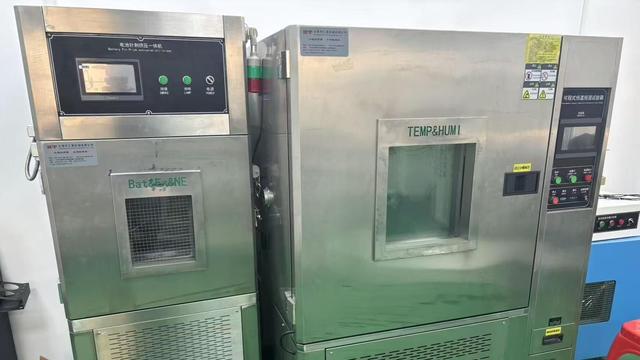
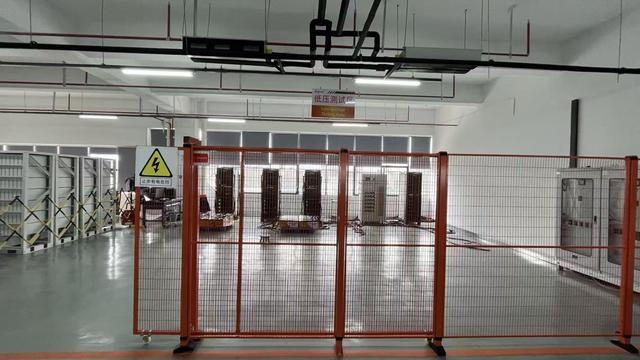
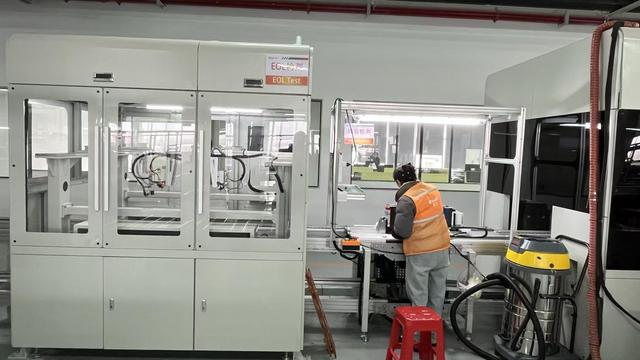
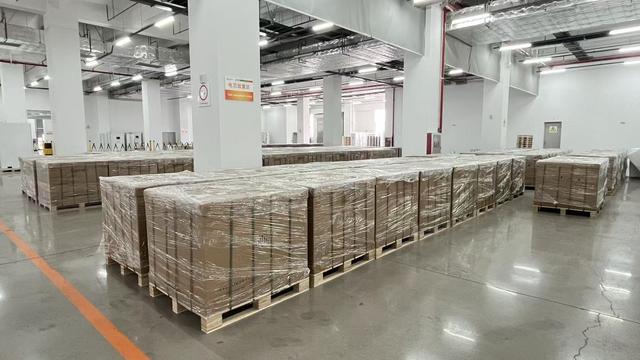
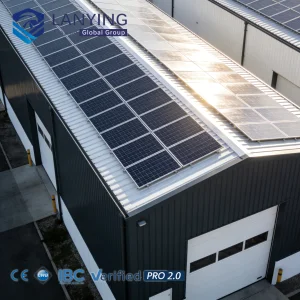
High-capacity N-Type modules, integrated storage arrays, and warehouse roof integrations for Kiribati.
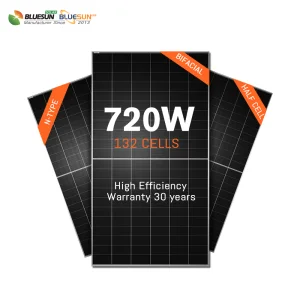
Smooth ocean freight, customs clearance, and delivery across South Tarawa, Kiritimati, and beyond.
Exporting bulky, fragile solar components to the Central Pacific requires strict logistical planning. Ningbo GAF Solar Co., Ltd. coordinates sea freight routes originating from Ningbo Port directly to the Port of Betio in South Tarawa or transshipped via regional hubs in Fiji or Australia.
To prevent shipping damage and moisture exposure, our export-grade packaging features heavy-duty seaworthy pallets, specialized corner guards, anti-vibration padding, and vacuum-sealed desiccant-loaded moisture barriers. Every shipment complies with international maritime standards, and our export department handles all customs documentation, import duty clearances, and local transport coordination to ensure delivery to project sites on schedule.
Common questions regarding solar panel manufacturing, shipping, and setup in Kiribati.
Connect with our technical engineering department for detailed specifications, customs support, and volume pricing optimized for Pacific Island deployments.
Send Inquiry Now GAF Solar