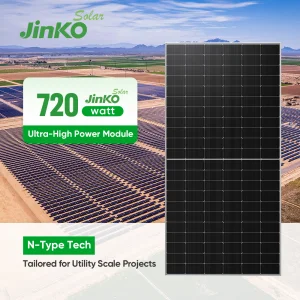
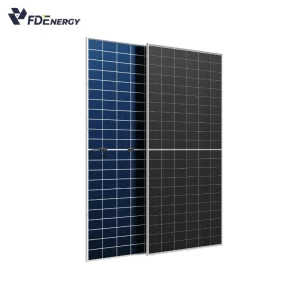
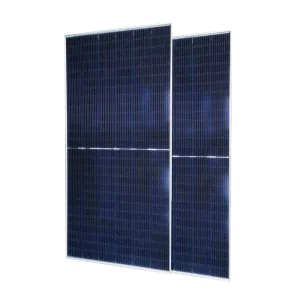
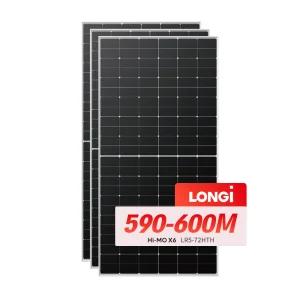
Optimized solar modules featuring advanced thermal properties and storm-resistant frames
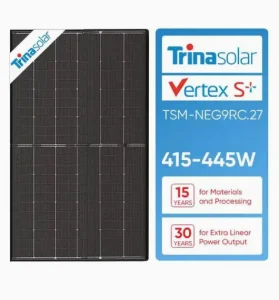
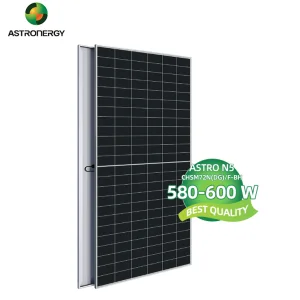
As a volcanic archipelago of 83 islands in the South Pacific, Vanuatu faces unique energy security challenges. High reliance on imported petroleum products makes local diesel generation extremely expensive, with retail electricity tariffs in Port Vila and Luganville historical scaling among the highest in the region. The Vanuatu National Energy Road Map (NERM) targets a transition to 100% renewable electricity by 2030, transforming the industrial, agricultural, and tourism sectors.
Establishing localized microgrids and industrial rooftop solar arrays is not merely an environmental policy; it is a primary lever for economic viability. Resort operators in Efate and agricultural processors in Espiritu Santo are increasingly deploying solar micro-generation systems to offset operational expenditures. Implementing heavy-duty PV modules with robust structural ratings has become the benchmark for commercial engineering in this region.
Minimum environmental criteria for roof-mounted photovoltaic designs operating in the South Pacific territory:
Bifacial and double-glass arrays engineered to capitalize on ground albedo in off-grid applications
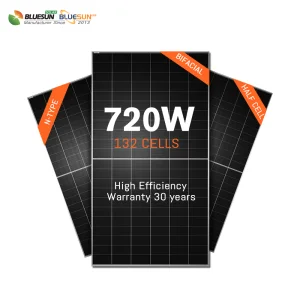
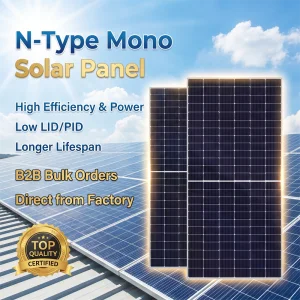
In hot, high-humidity marine zones, standard P-type PERC panels suffer from accelerated Light-Induced Degradation (LID) and Potential Induced Degradation (PID). GAF Solar's technological roadmap prioritizes N-type tunnel oxide passivated contact (TOPCon) architectures. TOPCon delivers zero LID and substantially improves performance at elevated temperatures, owing to an optimized temperature coefficient of -0.30%/°C compared to conventional modules.
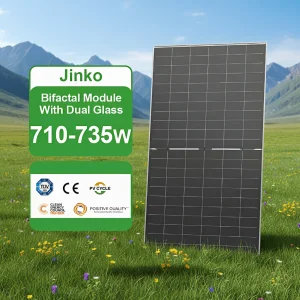
Additionally, coastal and sand-bound microgrids leverage Bifacial Dual-Glass designs. By generating power from both the front and rear sides, bifacial panels achieve up to 30% additional energy yield depending on ground albedo conditions (reflectance of surrounding coral sand or light-colored soils). The double-glass encapsulation also acts as an impervious barrier against ambient humidity, preventing water vapor ingress that can lead to micro-cracks and circuit degradation over the 25-to-30-year operational lifecycle.
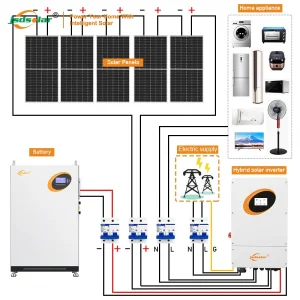
Deploying large-scale rooftop arrays in Vanuatu requires balancing grid-tied inverters with hybrid battery storage systems to manage solar intermittency:
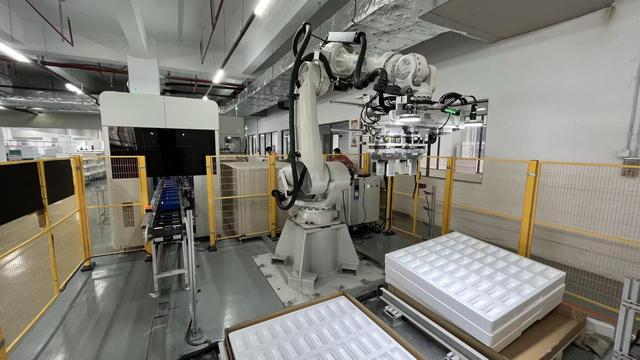
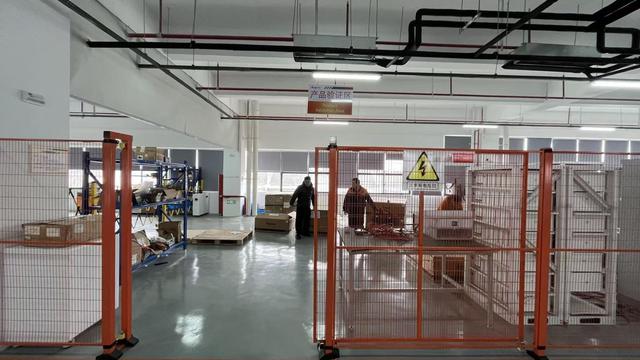
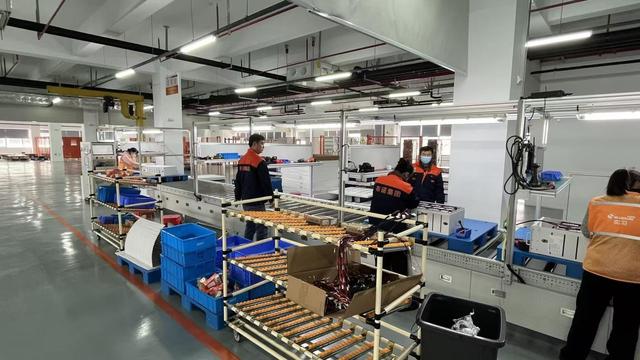
For Pacific Island procurement, shipping logistics, quality inspections, and production cycles determine project ROI. Ningbo GAF Solar Co., Ltd. uses state-of-the-art Industry 4.0 automated manufacturing facilities located in Ningbo, China. This strategic location offers direct logistics connectivity via one of the world's largest deep-water ports, reducing transit timeframes to South Pacific logistics hubs like Port Vila and Santo.
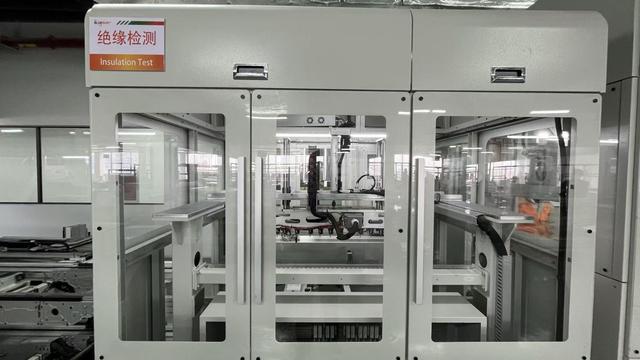
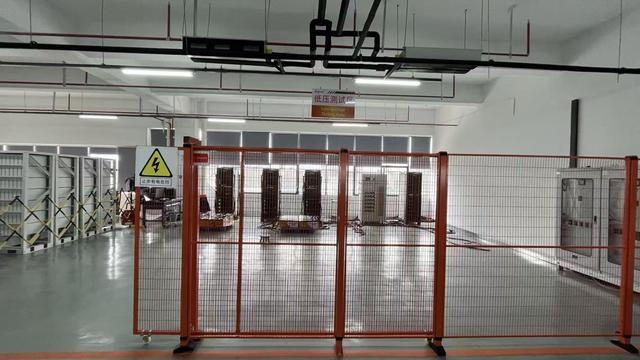
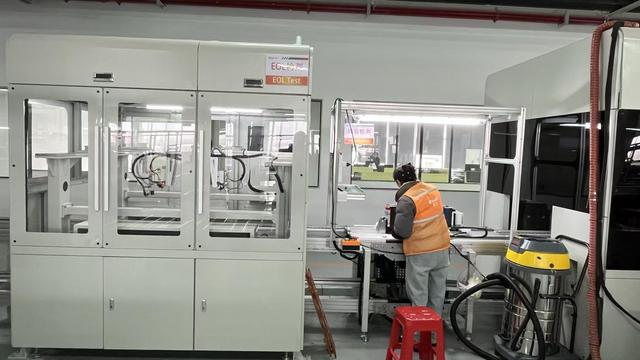
Production processes leverage automated EL (Electroluminescence) testing, laser dicing, and high-precision ribbon welding. Stringent inspections guarantee zero micro-cracks before dispatch. This integrated supply chain enables customization for specific project requirements, offering bespoke sizing, specialized aluminum frame anodization (up to 20μm thick for salt-mist prevention), and optimized connector designs.
A professional Solar Panel Manufacturer specializing in Monocrystalline, Bifacial & High Efficiency PV Modules
Based in Ningbo, China, Ningbo GAF Solar Co., Ltd. operates modern manufacturing facilities equipped with advanced production technologies, automated assembly lines, and comprehensive quality control systems. We focus on technological innovation and product reliability, utilizing premium-grade solar cells, durable materials, and precision manufacturing processes to produce solar modules capable of delivering excellent power output, superior weather resistance, and long operational lifespans. Every product undergoes rigorous testing and quality inspections to ensure compliance with international standards.
We offer comprehensive OEM and ODM services, supporting distributors, EPC contractors, solar developers, energy solution providers, and private-label brands globally. Servicing customers across North America, Europe, Southeast Asia, the Middle East, Africa, and Latin America, GAF Solar remains committed to accelerating the global transition toward clean, renewable energy.
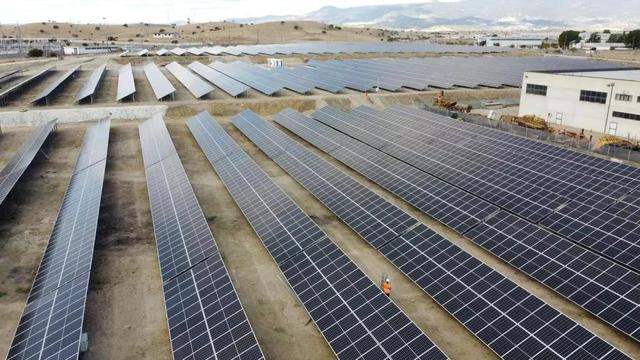
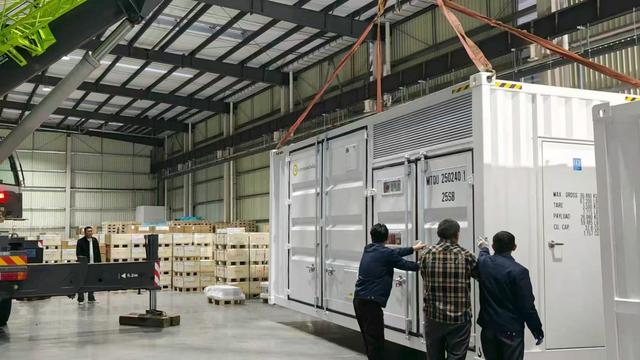
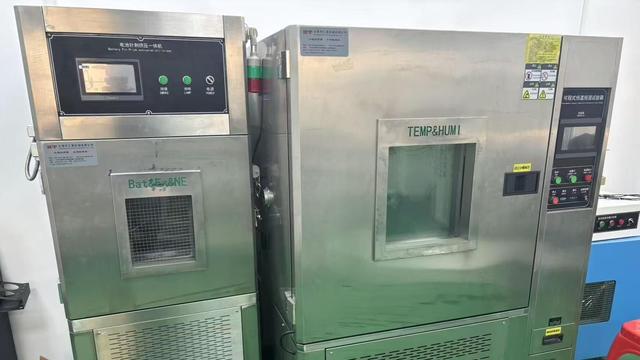
Navigating the installation landscape in Vanuatu requires strict adherence to international and regional quality standards. The Utility Regulatory Authority (URA) oversees grid connectivity, requiring strict protection parameters for grid-tied solar operations. To claim import duty concessions on solar hardware entering Vanuatu, components must show proof of certification under recognized international standards.
All GAF Solar modules comply with the CE, TUV, and UL framework. For Pacific marine regions, we ensure compliance with IEC 61215 for design qualification, and IEC 61730 for module safety. Additionally, structural design calculations must satisfy standard regional wind load criteria, specifying durable framing brackets and dual-glass construction to prevent frame tearing during cyclonic events.
Engineered for high mechanical strength and long-term durability in tropical environments
Get answers to engineering, shipping, and deployment questions for Vanuatu-specific locations
Due to the high salt concentration in coastal environments, we recommend specifying PV modules with IEC 61701 Level 6 salt spray resistance. The framing should feature thick anodization (minimum 15-20μm). Dual-glass construction is highly recommended, as it prevents moisture ingress and PID (Potential Induced Degradation) caused by high tropical humidity.
Our heavy-duty industrial modules are designed with reinforced aluminum alloy frames that have been laboratory certified to withstand mechanical wind pressures of up to 2400 Pa (tensile) and 5400 Pa (compressive). When integrated with cyclone-rated racking systems that conform to AS/NZS 1170.2 standards, these systems are engineered to withstand extreme cyclonic wind events.
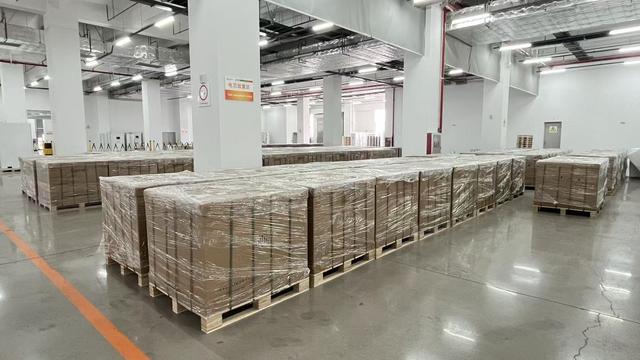
Standard sea freight from Ningbo Port to Port Vila or Luganville typically takes between 35 to 50 days, depending on transshipment connections (typically routed through Brisbane, Sydney, or Suva). We optimize container packing designs to minimize handling risks, securing panels in double-wall vertical cartons on reinforced wooden pallets to prevent micro-cracks during long sea transits.
Yes. N-Type TOPCon technology features a lower temperature coefficient (typically -0.30%/°C) compared to standard P-type PERC panels (-0.35%/°C or higher). In Vanuatu's warm tropical climate, solar panels routinely operate at temperatures exceeding 45°C. Lower temperature coefficients mean less power loss at elevated operational temperatures, resulting in up to 5% to 8% higher energy yield over the year.
Yes. We offer comprehensive OEM and ODM services. We can customize the frame thickness, junction box connector types (MC4 compatible), backsheet color, and package branding according to your specifications. All OEM products undergo the same rigorous triple EL verification process at our factory to maintain strict quality standards.
Contact GAF Solar's engineering and logistics team today for a tailored technical proposal, wind loading calculations, and shipping estimates.
Send Inquiry Now GAF Solar